HomeMCPSkillsWorkbenchOpenChem
HomeWorkbenchNotificationsMe
llms.txt · skill.md · MCP GuidePrivacy Policy · Terms of Service · Supportv1.8.5
  1. Home
  2. /Reaction

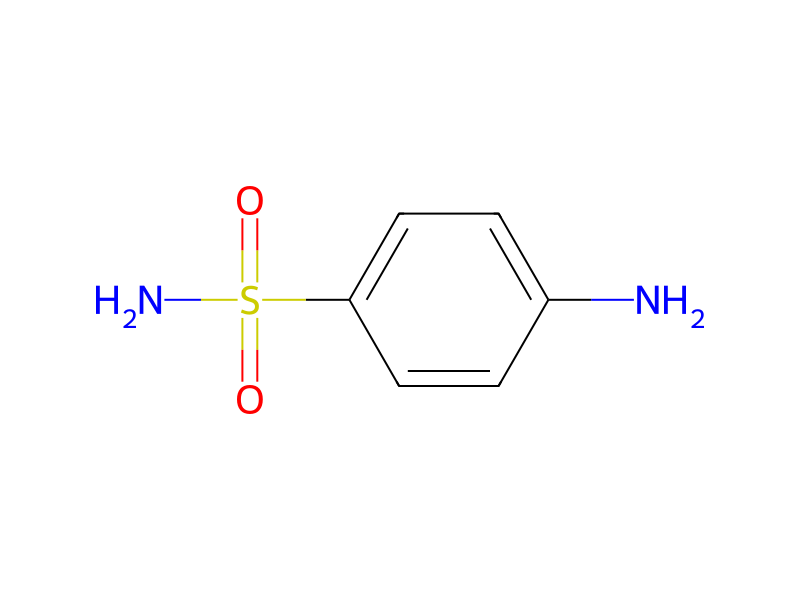
Sulfanilamide → 2,2-dimethyl-N-(4-sulfamoylphenyl)propanamide

HRID 280506
Print

Reaction equation

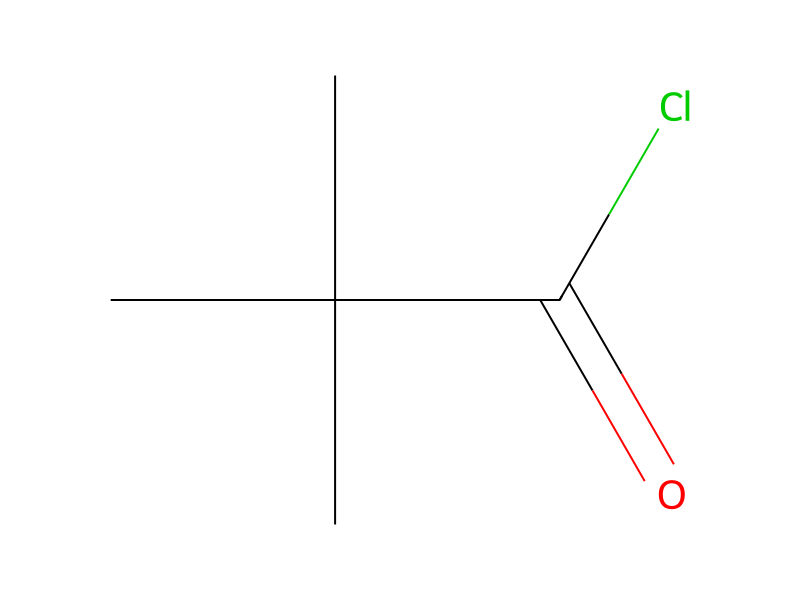
C(#N)C.[S:4]([NH2:14])(=[O:13])([C:6]1[CH:11]=[CH:10][C:9]([NH2:12])=[CH:8][CH:7]=1)=[O:5].C(N(CC)CC)C.[C:22](Cl)(=[O:27])[C:23]([CH3:26])([CH3:25])[CH3:24]>O>[C:22]([NH:12][C:9]1[CH:8]=[CH:7][C:6]([S:4]([NH2:14])(=[O:13])=[O:5])=[CH:11][CH:10]=1)(=[O:27])[C:23]([CH3:26])([CH3:25])[CH3:24]
ParticipantsProcedureWorkupSources & evidenceReaction notes

Participants

6

Reactant 4

HCID 5333SulfanilamideHCID 6342AcetonitrileHCID 8471TriethylamineHCID 62493Pivaloyl chloride

Product 1

HCID 27256512,2-dimethyl-N-(4-sulfamoylphenyl)propanamideYield 91.4%

Reagents, catalysts & solvents 1

HCID 962
Water
Solvent

Procedure

To a mixture of 200 ml of acetonitrile, 50 g of sulfanilamide, and 30 g of triethylamine was added dropwise 35 g of pivaloyl chloride at 50° C. They were then stirred for 30 minutes and the resulting suspension was poured into 1.5 l of water. The thus formed crystals were separated by filtration to yield 68 g of p-pivaloylaminobenzenesulfonamide (m.p., 219°-220° C.).

Workup

  1. customThe thus formed crystals were separated by filtration

Sources & evidence

ORD record
ord-499c9defd62e47dc9cd3ae2309970ba2
Source dataset
uspto-grants-1986_05
DOI
10.6084/m9.figshare.5104873.v1
Patent number
US04590154

Reaction notes

On this pageParticipantsProcedureWorkupSources & evidenceReaction notes