Reaction equation

[CH3:1][C:2]([C:4]1[C:5]([OH:11])=[CH:6][CH:7]=[CH:8][C:9]=1[OH:10])=[O:3].C(=O)([O-])[O-].[K+].[K+].Br[CH2:19][C:20]([O:22][C:23]([CH3:26])([CH3:25])[CH3:24])=[O:21]>CC(C)=O>[C:23]([O:22][C:20](=[O:21])[CH2:19][O:11][C:5]1[CH:6]=[CH:7][CH:8]=[C:9]([OH:10])[C:4]=1[C:2](=[O:3])[CH3:1])([CH3:26])([CH3:25])[CH3:24]Participants
5
Reactant 3


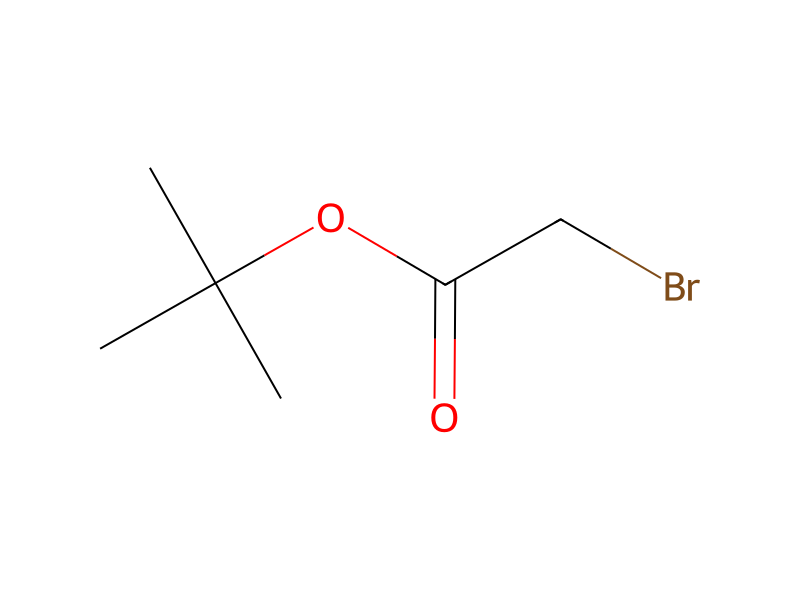
Product 1

Reagents, catalysts & solvents 1

Procedure
A solution of 2,6-dihydroxyacetophenone (35.37 g, 0.23 moles), potassium carbonate (51.4 g, 0.37 moles), and t-butyl bromoacetate (28.4 mL, 0.23 moles) in 440 mL of acetone was heated at reflux for 1.5 hours. It was then cooled to room temperature and filtered. The filter cake was washed with acetone and the combined mother liquors were concentrated in vacuo. (2-Acetyl-3-hydroxy-phenoxy)-acetic acid tert-butyl ester was isolated as thick yellow oil, which was used directly used for the next step.
Workup
- temperatureat reflux for 1.5 hours
- filtrationfiltered
- washThe filter cake was washed with acetone
- concentrationthe combined mother liquors were concentrated in vacuo
Sources & evidence
- ORD record
- ord-110f91f4fca842a19f7388dc5a948ecb
- Source dataset
- uspto-grants-2008_09
- Patent number
- US07420001B2
Linked notes
Loading…