Reaction equation

[NH2:1][CH2:2][CH:3]([OH:6])[CH2:4][OH:5].[C:7]1(=[O:17])[O:12][C:10](=O)[CH:9]2[CH2:13][CH2:14][CH2:15][CH2:16][CH:8]12>C(O)C>[C:10]([O:6][CH:3]([CH2:4][O:5][C:7](=[O:17])[CH:8]=[CH2:16])[CH2:2][N:1]1[C:7](=[O:17])[CH:8]2[CH2:16][CH2:15][CH2:14][CH2:13][CH:9]2[C:10]1=[O:12])(=[O:12])[CH:9]=[CH2:13]Participants
4
Reactant 2
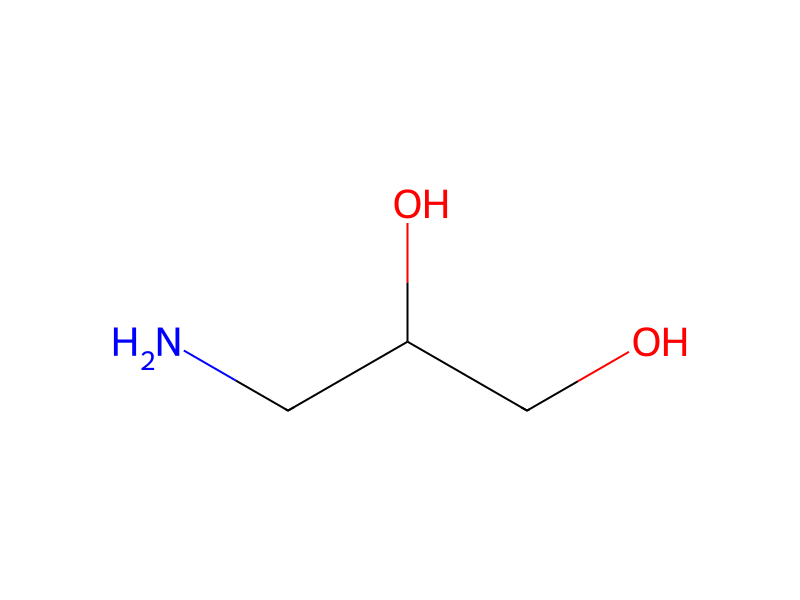

Product 1

Reagents, catalysts & solvents 1

Procedure
A 500-ml, two necked flask was equipped a magnetic stirring bar, heating mantle and condenser. The flask was charged with 46 g of 3-amino-1,2-propanediol (0.50 mol.) and 300 ml of ethanol. Next, 77 g of hexahydrophthalic anhydride (0.50 mol.) was slowly added to the flask after which the reaction was refluxed for 12 hours. The imide formation was confirmed by IR. The ethanol was removed by a rotoevaporator to yield 92 g (81%) of the N-[2,3-di(hydroxy)propyl]hexahydrophthalimide.
Workup
- customA 500-ml, two necked flask was equipped a magnetic stirring bar
- temperatureheating mantle and condenser
- temperaturewas refluxed for 12 hours
- customThe ethanol was removed by a rotoevaporator
Sources & evidence
- ORD record
- ord-ebb2fd6722bb446b8b566d5f8733e3f7
- Source dataset
- uspto-grants-1998_03
- Patent number
- US05733648
Linked notes
Loading…