Reaction equation

CC(C)(C)OC(N)=O.COc1cc(N2CCN(C)CC2)c(Br)cc1N>C1COCCO1.CC(=O)O.CC(=O)O.CC1(C)c2cccc(P(c3ccccc3)c3ccccc3)c2Oc2c(P(c3ccccc3)c3ccccc3)cccc21.O=C([O-])[O-].[Cs+].[Cs+].[Pd]>COc1cc(N2CCN(C)CC2)c(NC(=O)OC(C)(C)C)cc1NParticipants
Reactant 2
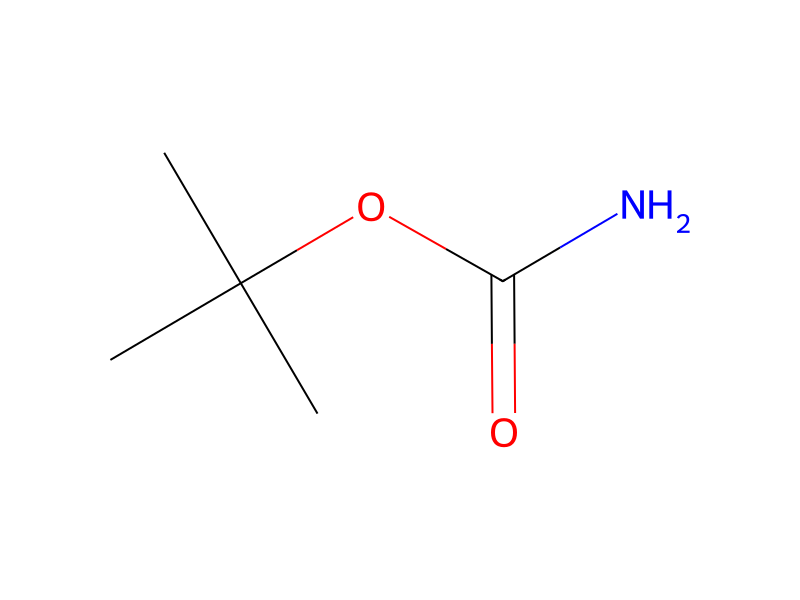

Product 1

Reagents, catalysts & solvents 4


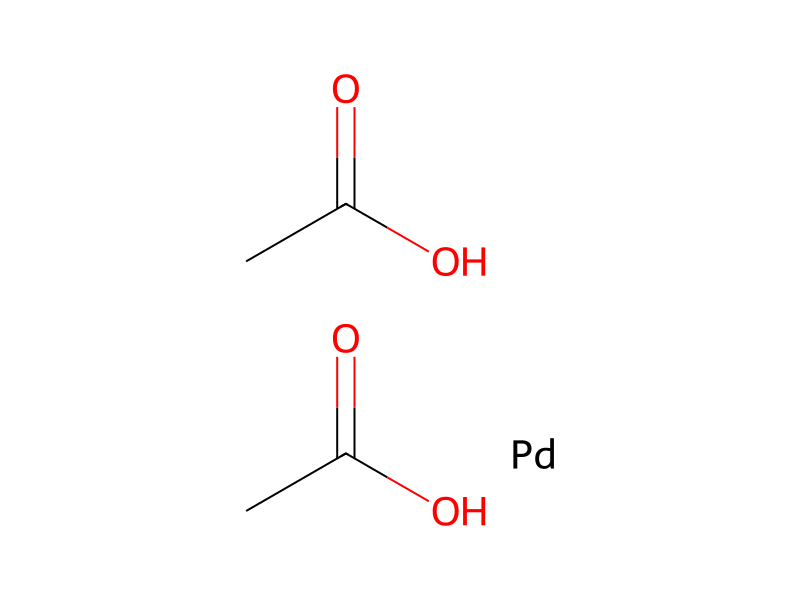

Conditions
- Temperature
- 120 °C
Procedure
To a suspension of 5-bromo-2-methoxy-4-(4-methylpiperazin-1-yl)aniline (50 mg, 0.17 mmol) in dioxane (4 mL) was added tert-butyl carbamate (24.39 mg, 0.21 mmol), cesium carbonate (81 mg, 0.25 mmol) and 9,9-dimethyl-4,5-bis(diphenylphosphino)xanthene (19.27 mg, 0.03 mmol). The resulting suspension was degassed and Palladium(II) acetate (3.74 mg, 0.02 mmol) was added. The mixture was degassed and stirred at 120 °C for 2 hours in the CEM microwave, then allowed to cool to ambient temperature. The reaction was incomplete so further cesium carbonate (81 mg, 0.25 mmol), 9,9-dimethyl-4,5-bis(diphenylphosphino)xanthene (19.27 mg, 0.03 mmol) and diacetoxyzinc (30.6 mg, 0.17 mmol) were added and the mixture was degassed. Further Palladium(II) acetate (3.74 mg, 0.02 mmol) was added, and the mixture was degassed and stirred at 130 °C for 1 hour in the CEM microwave, then allowed to cool to amibient temperature. TLC (10% MeOH in DCM + 1% cNH3 (aq)) suggests bromo SM has been consumed but no evidence of desired product having been formed. UPLC shows only oxidised xantphos. Reaction stopped
Sources & evidence
- ORD record
- ord-4ae237ba7d264026afd182c3af660100
- Source dataset
- 750 AstraZeneca ELN dataset
- Original link
- View source
Linked notes
Loading…