Reaction equation

[O-:1][C:2]1C=CC=CC=1.[Na+].[C:9]([NH:12][C:13]1[CH:14]=[C:15]2[C:20](=[CH:21][CH:22]=1)[C:18](=[O:19])[O:17][CH2:16]2)(=[O:11])[CH3:10].[OH2:23].[C:24]1(C)[C:25](C)=[CH:26][CH:27]=[CH:28][CH:29]=1>>[C:9]([NH:12][C:13]1[CH:14]=[C:15]([C:20]([CH2:18][O:19][C:28]2[CH:27]=[CH:26][C:25]([O:1][CH3:2])=[CH:24][CH:29]=2)=[CH:21][CH:22]=1)[C:16]([OH:23])=[O:17])(=[O:11])[CH3:10]Participants
5




Procedure
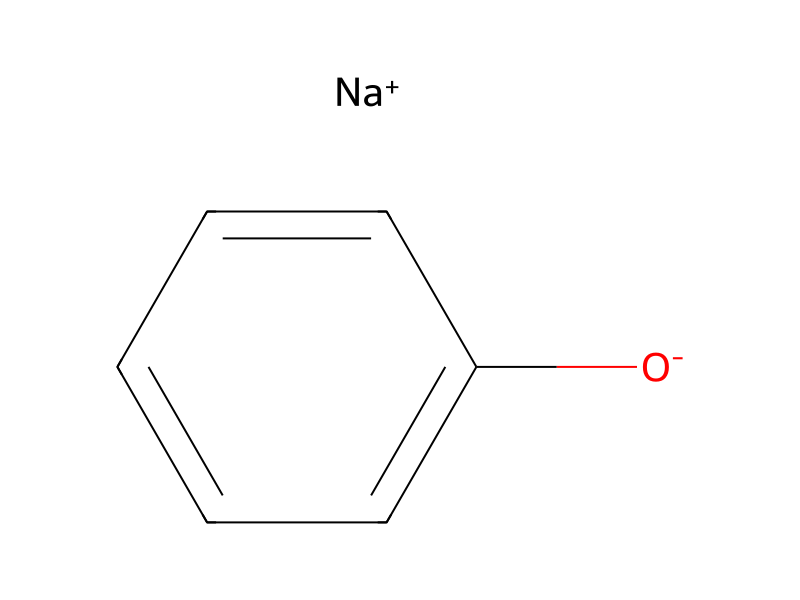
4-Methoxyphenol (1.95 g, 15.7 mmol) was allowed to react with 28% sodium methoxide (15.7 mmol) in methanol (30 ml), at room temperature for 30 minutes. After the reaction was completed, the solvent was distilled off to obtain sodium phenoxide. The obtained sodium phenoxide and 5-acetamidophthalide obtained in Reference Example 8 (3.0 g, 15.7 mmol) were heated under reflux in xylene (30 ml) for 14 hours. The reaction mixture was poured into water and washed twice with ether (30 ml). The aqueous layer was adjusted to pH 3 with 1 mol/l hydrochloric acid and the precipitated solid was separated by filtration to give 3-acetamido-6-(4-methoxyphenoxymethyl)benzoic acid (2.49 g, 51%).
Workup
- temperaturewere heated
- washwashed twice with ether (30 ml)
- customthe precipitated solid was separated by filtration
Sources & evidence
- ORD record
- ord-2a7813ac625d461e9b01ab2b7371fd53
- Source dataset
- uspto-grants-2001_04
- Patent number
- US06211227B1
Linked notes
Loading…