Reaction equation

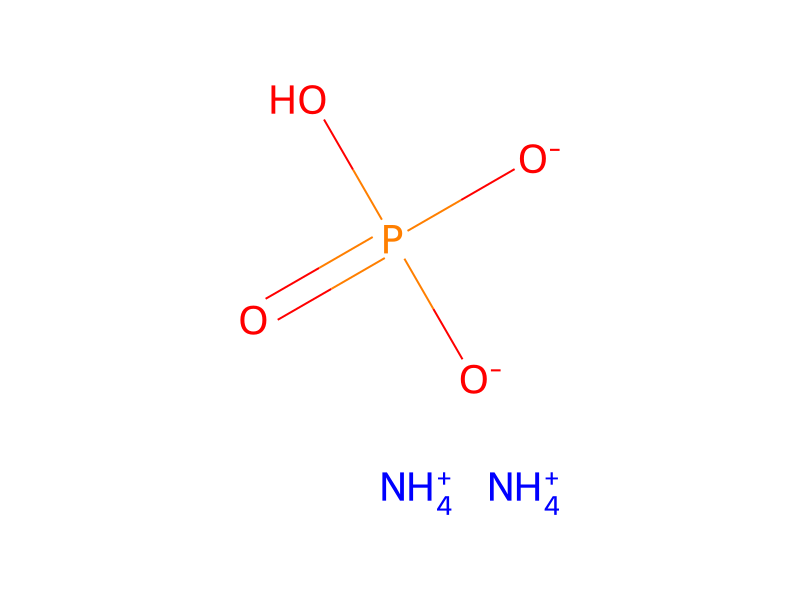
[CH2:1]([O:8][C:9]1[CH:16]=[C:15]([O:17][CH2:18][C:19]2[CH:24]=[CH:23][CH:22]=[CH:21][CH:20]=2)[CH:14]=[CH:13][C:10]=1[CH:11]=O)[C:2]1[CH:7]=[CH:6][CH:5]=[CH:4][CH:3]=1.P([O-])([O-])(O)=O.[NH4+].[NH4+].[N+:32]([O-])(OCCC)=O>C(O)(=O)C>[CH2:1]([O:8][C:9]1[CH:16]=[C:15]([O:17][CH2:18][C:19]2[CH:24]=[CH:23][CH:22]=[CH:21][CH:20]=2)[CH:14]=[CH:13][C:10]=1[C:11]#[N:32])[C:2]1[CH:7]=[CH:6][CH:5]=[CH:4][CH:3]=1Participants
5
Reactant 3


Product 1

Reagents, catalysts & solvents 1

Procedure
A mixture of 2,4-dibenzyloxybenzaldehyde (1.59 g), diammonium hydrogen phosphate (3.5 g) and n-propyl nitrate (15 mL) in glacial acetic acid (5 mL) is refluxed for 15 hours. The reaction mixture is evaporated to dryness in vacuo and the residue is stirred with water (100 mL). The insoluble material is filtered and dried at 50° C. to yield 2,4-dibenzyloxybenzonitrile as a tan coloured solid (0.6 g, 40%), m.p. 100° C. [Elemental analysis:- C,79.8; H,5.47; N,4.48%. Calculated:- C,80.0; H,5.43; N,4.44%].
Workup
- temperatureis refluxed for 15 hours
- customThe reaction mixture is evaporated to dryness in vacuo
- filtrationThe insoluble material is filtered
- customdried at 50° C.
Sources & evidence
- ORD record
- ord-9831dfc070f94d43ac3683f15f5f4b2f
- Source dataset
- uspto-grants-2001_04
- Patent number
- US06211234B1
Linked notes
Loading…