HomeMCPSkillsWorkbenchOpenChem
HomeWorkbenchNotificationsMe
llms.txt · skill.md · MCP GuidePrivacy Policy · Terms of Service · Supportv1.8.4
  1. Home
  2. /Reaction

Sodium Azide → HCID 178492645, compound

HRID 323416
Print

Reaction equation

[CH3:1][O:2][C:3]1[CH:4]=[C:5]([CH:43]=[C:44]([O:48][CH3:49])[C:45]=1[O:46][CH3:47])[C:6]([N:8]1[CH2:12][CH2:11][C:10]([CH2:19][CH2:20][N:21]2[CH2:26][CH2:25][CH:24]([NH:27][C:28]3[N:32]([CH2:33][CH2:34][CH2:35][CH2:36][C:37]#[N:38])[C:31]4[CH:39]=[CH:40][CH:41]=[CH:42][C:30]=4[N:29]=3)[CH2:23][CH2:22]2)([C:13]2[CH:18]=[CH:17][CH:16]=[CH:15][CH:14]=2)[CH2:9]1)=[O:7].[N-:50]=[N+:51]=[N-:52].[Na+].Cl.C([NH+](CC)CC)C>CN1CCCC1=O>[CH3:1][O:2][C:3]1[CH:4]=[C:5]([CH:43]=[C:44]([O:48][CH3:49])[C:45]=1[O:46][CH3:47])[C:6]([N:8]1[CH2:12][CH2:11][C:10]([CH2:19][CH2:20][N:21]2[CH2:22][CH2:23][CH:24]([NH:27][C:28]3[N:32]([CH2:33][CH2:34][CH2:35][CH2:36][C:37]4[NH:52][N:51]=[N:50][N:38]=4)[C:31]4[CH:39]=[CH:40][CH:41]=[CH:42][C:30]=4[N:29]=3)[CH2:25][CH2:26]2)([C:13]2[CH:14]=[CH:15][CH:16]=[CH:17][CH:18]=2)[CH2:9]1)=[O:7]
ParticipantsConditionsProcedureWorkupSources & evidenceReaction notes

Participants

5

Reactant 3

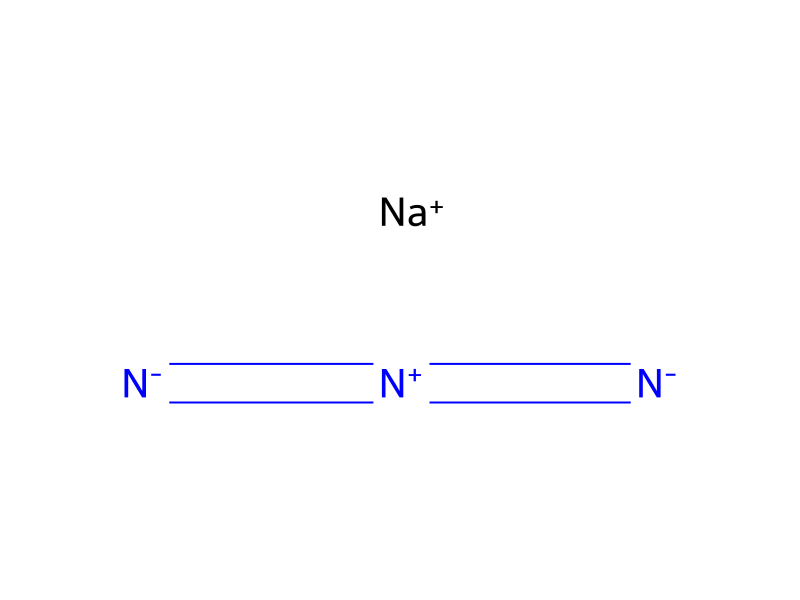
HCID 33557Sodium AzideHCID 21900368Triethylammonium hydrochlorideHCID 545704571-(3,4,5-trimethoxybenzoyl)-3-(2-(4-(1-(4-cyanobutyl)-1H-benzimidazol-2-yl-amino)piperidin-1-yl)ethyl)-3-phenylpyrrolidine

Product 1

HCID 178492645HCID 178492645, compound

Reagents, catalysts & solvents 1

HCID 13387
N-methyl-2-pyrrolidone
Solvent

Conditions

Temperature
150 °C

Procedure

Combine 1-(3,4,5-trimethoxybenzoyl)-3-(2-(4-(1-(4-cyanobutyl)-1H-benzimidazol-2-yl-amino)piperidin-1-yl)ethyl)-3-phenylpyrrolidine (0.7 mmol), sodium azide (0.13 g, 2.04 mmol), and triethylammonium hydrochloride (0.14 g, 1.03 mmol) in N-methylpyrrolidinone (6 mL). Heat to 150° C. After 4 hours, cool to ambient temperature and partition the reaction mixture between water and ethyl acetate. Separate the layers and extract the aqueous layer three times with ethyl acetate. Adjust the pH of the aqueous layer to about 1 using a 1 M aqueous hydrochloric acid solution. The aqueous layer is again extracted three times with ethyl acetate, and twice with dichloromethane. The aqueous layer is saturated with sodium chloride and again extracted four times with dichloromethane. Combine the organic layers, dry over MgSO4, filter, and evaporate in vacuo to give residue. Chromatograph the residue on silica to give the title compound.

Workup

  1. temperaturecool to ambient temperature
  2. custompartition the reaction mixture between water and ethyl acetate
  3. customSeparate the layers
  4. extractionextract the aqueous layer three times with ethyl acetate
  5. extractionThe aqueous layer is again extracted three times with ethyl acetate
  6. extractionagain extracted four times with dichloromethane
  7. dry with materialdry over MgSO4
  8. filtrationfilter
  9. customevaporate in vacuo
  10. customto give residue

Sources & evidence

ORD record
ord-03c1cec09edc40ce87cf9844d08869a7
Source dataset
uspto-grants-2001_04
DOI
10.6084/m9.figshare.5104873.v1
Patent number
US06211199B1

Reaction notes

On this pageParticipantsConditionsProcedureWorkupSources & evidenceReaction notes