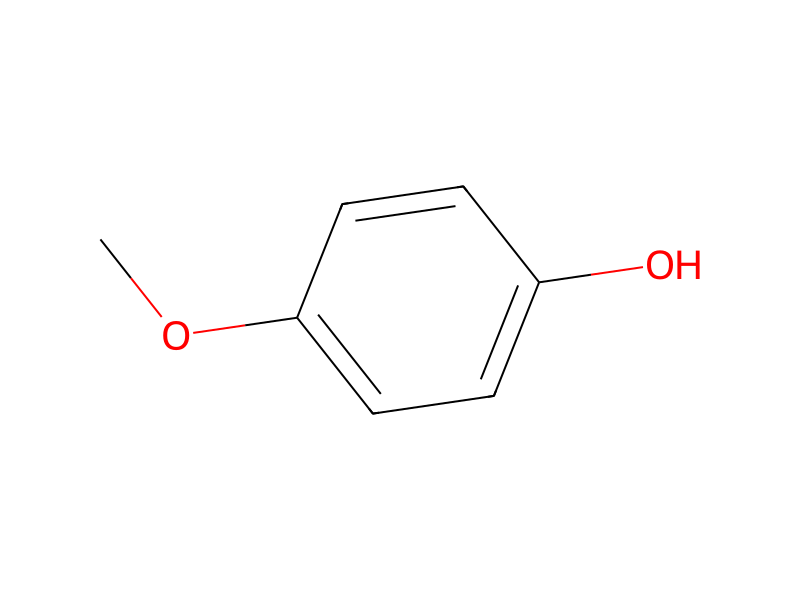
A 3-L round-bottomed, 4-necked flask is fitted with a 1-ft. fractionating column, variable reflux distillation head, air sparge tube, and a side arm containing a mercury thermometer and addition funnel. The air sparge rate is set to 30 mL/min. The flask is charged with ethylene glycol (310 g, 5 moles), methyl methacrylate (1200 g, 12 moles), cyclohexane (80 g, 1 mole), 73% dimethyltin dichloride in methanol (15 g, 0.05 moles), 25% sodium methoxide in methanol (10.8 g, 0.05 moles), 5.3 g (0.05 moles) of sodium carbonate, 8 g of MEHQ and 8 g of sodium bromide. The cyclohexane methanol azeotrope is removed via distillation. The methanol is removed from the overhead by washing it with water, and the cyclohexane is returned to the flask. The reaction is continued until the ratio of EGDMA to hydroxyethyl methacrylate exceeds 50:1. The excess methyl methacrylate and cyclohexane are removed via distillation, and the crude EGDMA is diluted with an equal weight of cyclohexane. The organic solution is washed twice with 20% of its weight of 20% caustic followed by brine. The separations of the organic and aqueous phases are in all cases rapid and sharp indicating the absence of polymer. The cyclohexane is removed from the product by distillation yielding 920 g (93%) of EGDMA.