HomeMCPSkillsWorkbenchOpenChem
HomeWorkbenchNotificationsMe
llms.txt · skill.md · MCP GuidePrivacy Policy · Terms of Service · Supportv1.8.5
  1. Home
  2. /Reaction

Sodium Chloride → Sulphosuccinimidyl 6-(3-(2-pyridyldithio)propionamido)hexanoate

HRID 324924
Print

Reaction equation

[CH2:1]1[C:6](=[O:7])[N:5]([O:8][C:9]([CH2:11][CH2:12][CH2:13][CH2:14][CH2:15][NH:16][C:17]([CH2:19][CH2:20][S:21][S:22][C:23]2[N:28]=[CH:27][CH:26]=[CH:25][CH:24]=2)=[O:18])=[O:10])[C:3](=[O:4])[CH:2]1[S:29]([O-:32])(=[O:31])=[O:30].[Na+].P([O-])([O-])([O-])=O.[Na+].[Na+].[Na+].[Na+].[Cl-].C(N(CC(O)=O)CC(O)=O)CN(CC(O)=O)CC(O)=O.[N-]=[N+]=[N-].[Na+]>OP([O-])(O)=O.OP([O-])([O-])=O.[Na+].[Na+].[Na+].[Cl-].[Cl-].[K+].[K+].O>[N:28]1[CH:27]=[CH:26][CH:25]=[CH:24][C:23]=1[S:22][S:21][CH2:20][CH2:19][C:17]([NH:16][CH2:15][CH2:14][CH2:13][CH2:12][CH2:11][C:9]([O:8][N:5]1[C:6](=[O:7])[CH2:1][CH:2]([S:29]([OH:32])(=[O:30])=[O:31])[C:3]1=[O:4])=[O:10])=[O:18]

ParticipantsProcedureWorkupSources & evidenceReaction notes

Participants

8

Reactant 5

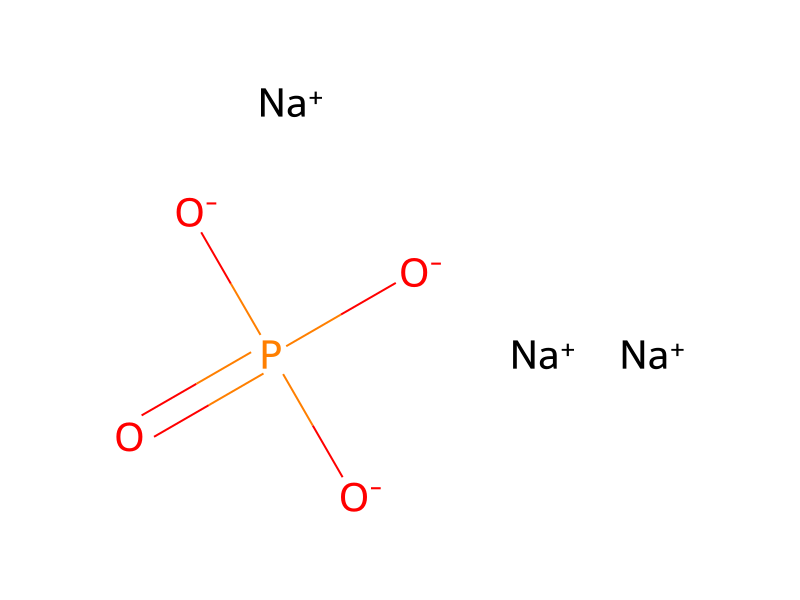
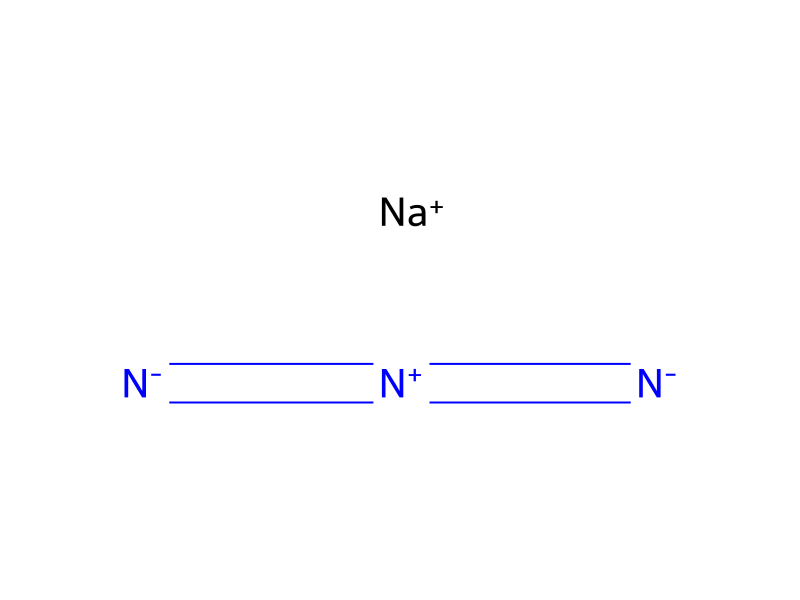
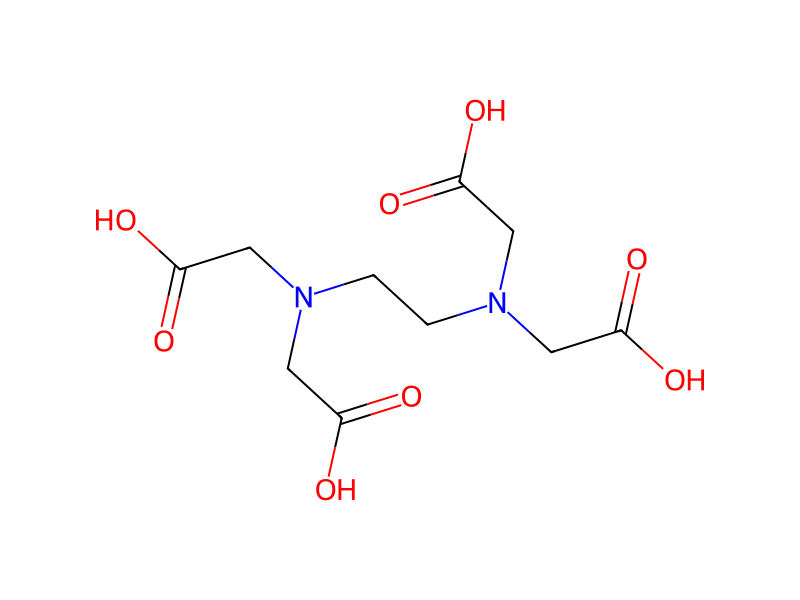
HCID 5234Sodium ChlorideHCID 6049Ethylenediaminetetraacetic AcidHCID 24243Trisodium PhosphateHCID 33557Sodium AzideHCID 45884672,5-Dioxo-3-sulfo-1-pyrrolidinyl 6-((1-oxo-3-(2-pyridinyldithio)propyl)amino)hexanoate sodium salt (1:1)2×

Product 1

HCID 4588468
Sulphosuccinimidyl 6-(3-(2-pyridyldithio)propionamido)hexanoate

Reagents, catalysts & solvents 2

HCID 962WaterSolventHCID 24978514Phosphate Buffered SalineSolvent3×

Procedure

A 10 mM stock solution of the sulfosuccinimidyl 6-[3′-(2-pyridyldithio)-propionamido]hexanoate (Sulfo-LC-SPDP) is prepared by dissolving 1.3 mg Sulfo-LC-SPDP into 2.07 ml de-ionized water. The conjugation reaction is carried out in phosphate buffered saline (PBS) containing 20 mM sodium phosphate buffer, 150 mM NaCl, 1 mM EDTA and 0.02% sodium azide at pH 7.5. One milligram of lyophilized antibody is dissolved in 450 ml PBS, and 50 ml of Sulfo-LC-SPDP stock solution is added to the antibody solution. The mixture is allowed to react at room temperature for 60 minutes. The sample is applied to a 5 ml desalting polyacrylamide column previously equilibrated with 5 bed volumes (25 ml) of PBS. Fractions are eluted using PBS as the elution buffer, and the protein in the fractions is monitored using a COOMASSIE® Protein Assay (Pierce Chemical Co). Typically, 50 ul of the COOMASSIE® reagent is mixed with 50 ul of each fraction in a micro-titer plate. The COOMASSIE® Blue substrate reacts with the protein, producing a blue color, the intensity of which is dependent upon the amount of protein present in the fraction. The fractions which produce the most intense blue color are those containing the majority of the protein eluted. These fractions are pooled together to produce the disulfide form of the final derivatized product. This is typically the form used for contact printing.

Workup

  1. customThe conjugation reaction
  2. customto react at room temperature for 60 minutes
  3. washFractions are eluted
  4. additionTypically, 50 ul of the COOMASSIE® reagent is mixed with 50 ul of each fraction in a micro-titer plate
  5. customThe COOMASSIE® Blue substrate reacts with the protein
  6. customproducing a blue color
  7. customThe fractions which produce the most intense blue color
  8. washeluted

Sources & evidence

ORD record
ord-82ac328fa17f4728b2e1fe4cbf5110b9
Source dataset
uspto-grants-2001_04
DOI
10.6084/m9.figshare.5104873.v1
Patent number
US06221579B1

Reaction notes

On this pageParticipantsProcedureWorkupSources & evidenceReaction notes