Reaction equation

C[C@H](CN)O[Si](C)(C)C(C)(C)C.Fc1cc(Br)ccc1OCc1ccccc1>CC(=O)O.CC(=O)O.CC(C)c1cc(C(C)C)c(-c2ccccc2P(C2CCCCC2)C2CCCCC2)c(C(C)C)c1.Cc1ccccc1.O=C([O-])[O-].[Cs+].[Cs+].[Pd]>C[C@H](CNc1ccc(OCc2ccccc2)c(F)c1)O[Si](C)(C)C(C)(C)CParticipants
Reactant 2
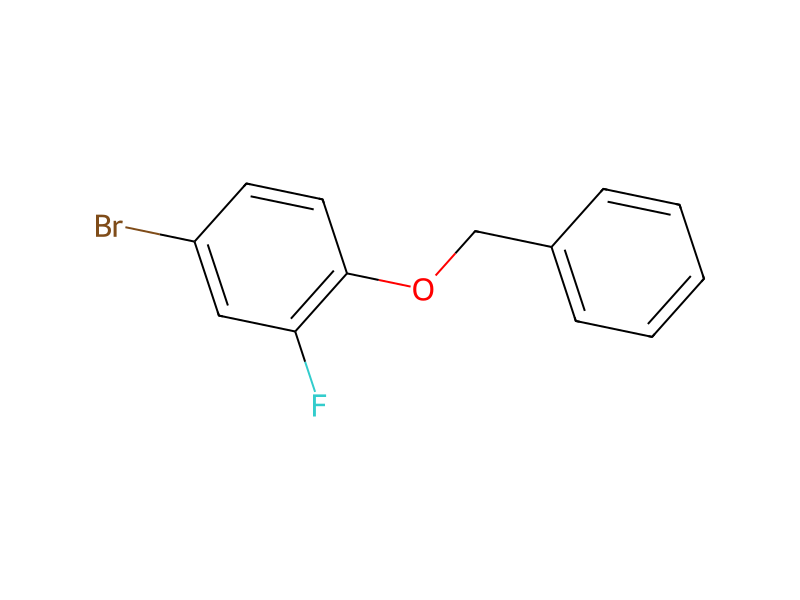
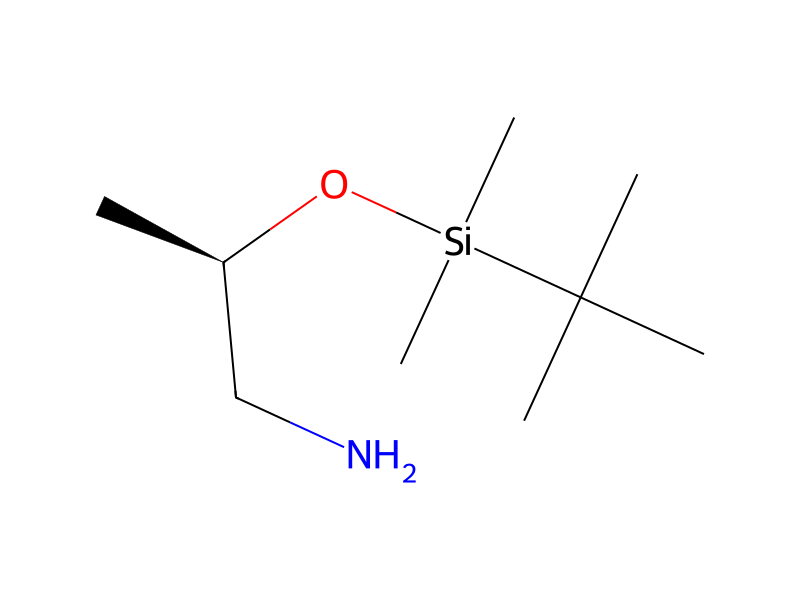
Product 1

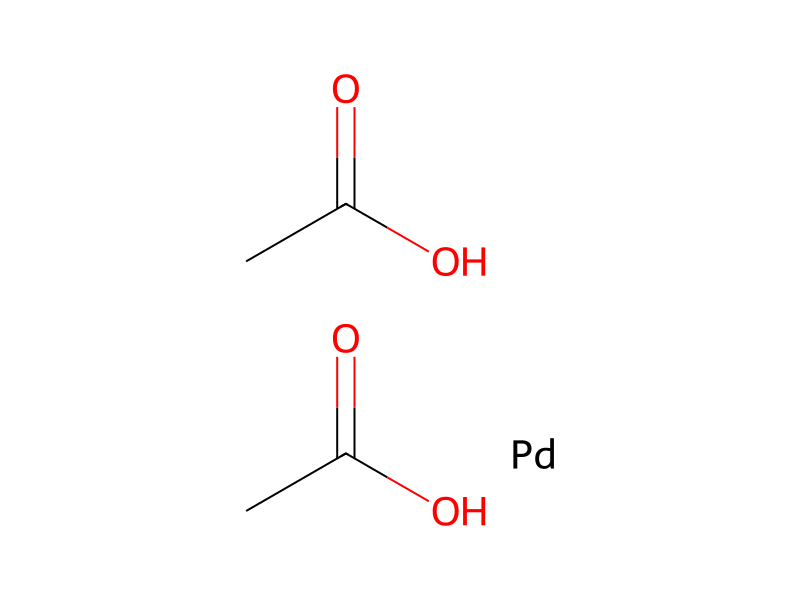
Reagents, catalysts & solvents 4



Conditions
- Temperature
- 120 °C
Procedure
PdOAc2 (1.198 g, 5.34 mmol) and dicyclohexyl(2',4',6'-triisopropylbiphenyl-2-yl)phosphine (2.54 g, 5.34 mmol) were added in one portion to a degassed solution of 1-(benzyloxy)-4-bromo-2-fluorobenzene (15.00 g, 53.36 mmol), (R)-2-(tert- butyldimethylsilyloxy)propan-1-amine (12.63 g, 66.70 mmol) and cesium carbonate (26.1 g, 80.04 mmol) in toluene (150 mL) at 120°C under nitrogen. The resulting suspension was stirred at 120 °C for 16 hours. The reaction was incomplete so the reaction mixture was stirred for a further 24 hours at 120°C. The reaction mixture was cooled and diluted with EtOAc (150 mL) and water (150 mL). The biphasic mixture was filtered through celite. The organic layer was separated and washed sequentially with water (150 mL) and saturated brine (150 mL). The organic layer was filtered and dried over Na2SO4, filtered and evaporated to afford crude product. The crude product was evaporated and was purified by flash silica chromatography*, elution gradient 0 to 20% EtOAc in isohexane. Pure fractions were evaporated to dryness to afford (R)-4-(benzyloxy)-N-(2-(tert-butyldimethylsilyloxy)propyl)-3-fluoroaniline (11.7 g, 30.0 mmol, 56.3 %) as a orange oil. Fractions that contained small amounts of impurities were also combined and were evaporated to dryness to afford (R)-4-(benzyloxy)-N-(2-(tert- butyldimethylsilyloxy)propyl)-3-fluoroaniline (2.5 g, 6.42 mmol, 12.03 %) as a dark orange oil.
Sources & evidence
- ORD record
- ord-a1449f92bd2f4287a8b4f60d1e409d2f
- Source dataset
- 750 AstraZeneca ELN dataset
- Original link
- View source
Linked notes
Loading…