Reaction equation

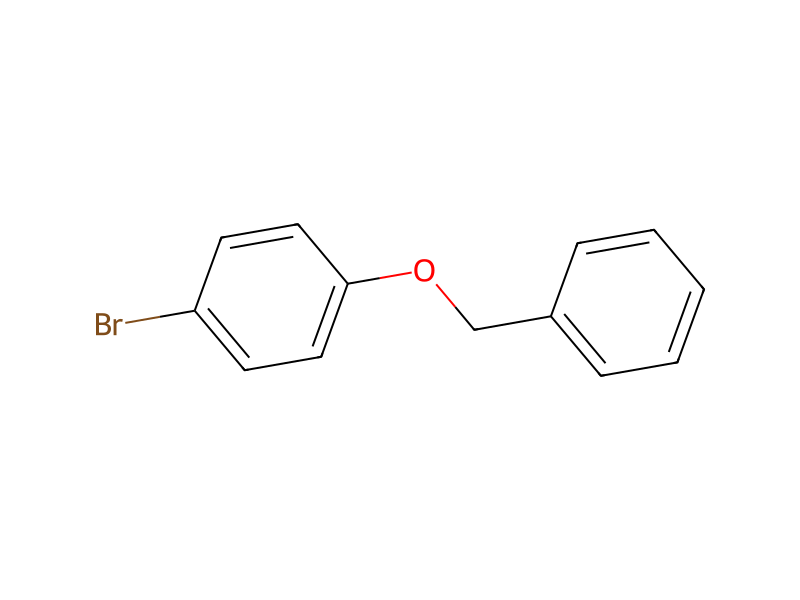
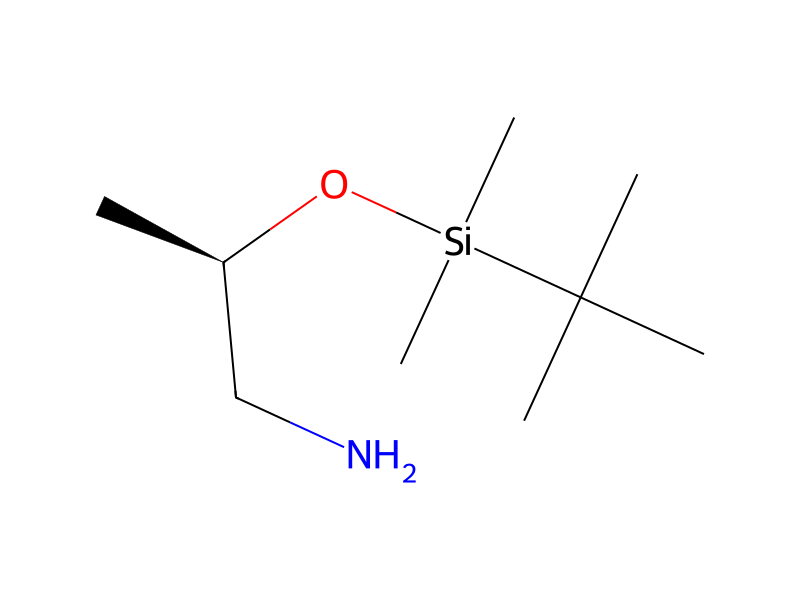
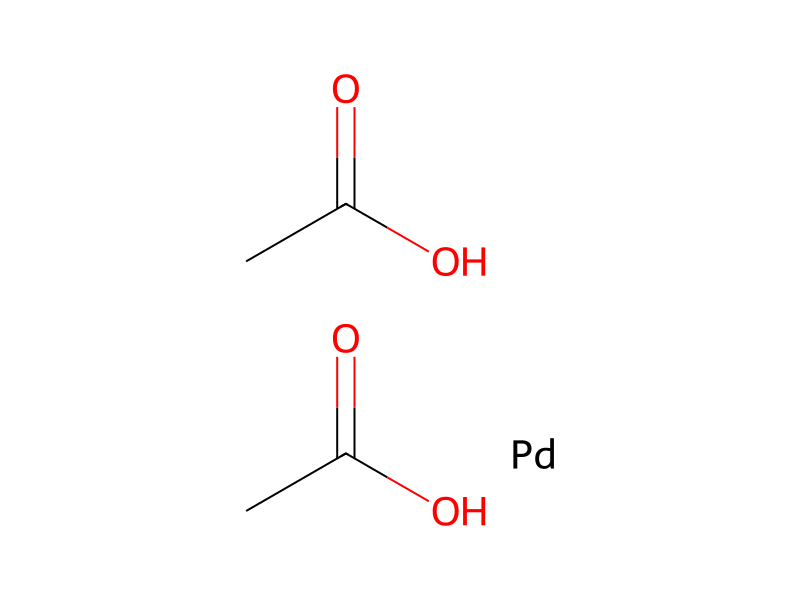
Brc1ccc(OCc2ccccc2)cc1.C[C@H](CN)O[Si](C)(C)C(C)(C)C>CC(=O)O.CC(=O)O.CC(C)c1cc(C(C)C)c(-c2ccccc2P(C2CCCCC2)C2CCCCC2)c(C(C)C)c1.Cc1ccccc1.O=C([O-])[O-].[Cs+].[Cs+].[Pd]>C[C@H](CNc1ccc(OCc2ccccc2)cc1)O[Si](C)(C)C(C)(C)CParticipants
Reactant 2
Product 1

Reagents, catalysts & solvents 4



Conditions
- Temperature
- 120 °C
Procedure
Reaction carried out as follows: PdOAc2 (0.768 g, 3.42 mmol) and dicyclohexyl(2',4',6'-triisopropylbiphenyl-2-yl)phosphine (1.631 g, 3.42 mmol) were added in one portion to a degassed solution of 1-(benzyloxy)-4-bromobenzene (9.00 g, 34.20 mmol), (R)-2-(tert- butyldimethylsilyloxy)propan-1-amine (7.77 g, 41.04 mmol) and cesium carbonate (16.72 g, 51.31 mmol) in toluene (200 mL) at 20°C in a 300 ml Milestone microwave reactor. The microwave reactor was sealed and the reaction was heated to 120 °C for 10 hours in and cooled to RT. LCMS indicated some product but mainly sm so another aliquot of catalyst was added and put back on for 10 hours at 130°C. LCMS-2 indicated complete reaction. Handed back to chemist for work-up. Workup The reaction mixture was diluted with EtOAc (100 mL) and was filtered. The solid (inorganics and catalyst) was washed with ethylacete (50 mL). The filtrates were combined and washed with water (1 x 150 mL) and brine (1 x 150 mL). The crude product was evaporated and was purified by flash silica chromatography, elution gradient 0 to 30% EtOAc in isohexane. Pure fractions were evaporated to dryness to afford (R)-4-(benzyloxy)-N-(2-(tert- butyldimethylsilyloxy)propyl)aniline (2.400 g, 18.88 %) as a orange oil.
Sources & evidence
- ORD record
- ord-d683d9b583de441b8565719233e1bd75
- Source dataset
- 750 AstraZeneca ELN dataset
- Original link
- View source
Linked notes
Loading…