HomeMCPWorkbenchSkills
HomeWorkbenchNotificationsMe
llms.txt · MCP GuidePrivacy Policy · Terms of Service · Supportv1.8.3
  1. Home
  2. /Reaction

Catechol → HCID 70292956, compound

HRID 342819
Print

Reaction equation

HRID 342819 reaction equation
[Cl:1][C:2]1[CH:7]=[C:6](CO)[C:5]([OH:10])=[C:4](CO)[CH:3]=1.C(O)(=O)C(O)=O.[C:19]1([C:21](=[CH:23][CH:24]=[CH:25][CH:26]=1)[OH:22])[OH:20]>O>[Cl:1][C:2]1[CH:7]=[CH:6][C:5]([OH:10])=[CH:4][CH:3]=1.[C:19]1([C:21](=[CH:23][CH:24]=[CH:25][CH:26]=1)[OH:22])[OH:20]
ParticipantsConditionsProcedureWorkupSources & evidenceReaction notes

Participants

5

Reactant 3

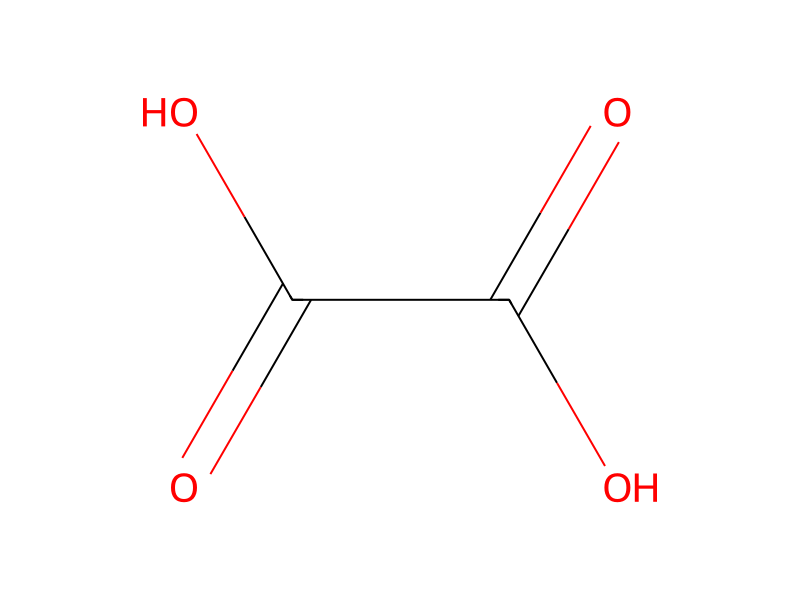
HCID 289CatecholHCID 971Oxalic AcidHCID 869144-Chloro-2,6-bis(hydroxymethyl)phenol

Product 1

HCID 70292956HCID 70292956, compound

Reagents, catalysts & solvents 1

HCID 962WaterSolvent

Conditions

Temperature
70 °C

Procedure

To a 1 liter, 3 necked round bottomed flask equipped with a paddle stirrer, condenser, thermometer and heating source, were added 188.6 g (1 mole) of the 4-chloro-2,6-dimethylolphenol, followed by 10 g (0.11 moles) of oxalic acid and 220 g (2 moles) of catechol. To this were added 400 g of water. The reaction mixture was stirred and heated to 70° C. Solution occurred when the temperature reached approximately 60° C. Then, the reaction mixture was heated to reflux and held at reflux for 4 hours. After 1 hour at reflux, the product began to separate.

Workup

  1. customTo a 1 liter, 3 necked round bottomed flask equipped with a paddle stirrer, condenser
  2. temperaturethermometer and heating source
  3. customreached approximately 60° C
  4. temperatureThen, the reaction mixture was heated
  5. temperatureto reflux
  6. temperatureat reflux for 4 hours
  7. temperatureAfter 1 hour at reflux
  8. customto separate

Sources & evidence

ORD record
ord-aaeea454ff9248c6a41f2de7e4a80e63
Source dataset
uspto-grants-1999_01
DOI
10.6084/m9.figshare.5104873.v1
Patent number
US05859153

Reaction notes

On this pageParticipantsConditionsProcedureWorkupSources & evidenceReaction notes