
Basic information
- Standard SMILES
Oc1ccccc1O- InChIKey
YCIMNLLNPGFGHC-UHFFFAOYSA-N- Molecular formula
- C6H6O2
- Average molar mass
- 110.11 g/mol
- Monoisotopic mass
- 110.03677943
Overview
Catechol can cause cancer according to The World Health Organization's International Agency for Research on Cancer (IARC).
Names & identifiers
- Preferred name
- Catechol
- IUPAC
- benzene-1,2-diol
- English name
- Catechol
- Molecular formula
- C6H6O2
- Molecular weight
- 110.11
Names & synonyms
pyrocatecholcatechol120-80-91,2-dihydroxybenzene1,2-benzenediolbenzene-1,2-diolpyrocatechin2-hydroxyphenolo-Dihydroxybenzeneo-Hydroxyphenolo-Benzenediolo-Dioxybenzene
Show more names
Catecho
o-HydroquinonePhthalhydroquinonePyrocatechineo-PhenylenediolOxyphenic acidFouramine PCHPelagol Grey CDurafur developer C
Database identifiers
- CAS
120-80-9、12385-08-9- PubChem CID
- 289
- DTXSID
DTXSID3020257- ChEMBL
CHEMBL280998- ChEBI
CHEBI:18135- UNII
- LF3AJ089DQ
- EC Number
- 204-427-5
- Nikkaji
- J2.921A
Properties
Computed structural properties
- XLogP
- 0.9
- Topological polar surface area
- 40.5 Ų
- Hydrogen bond donors
- 2
- Hydrogen bond acceptors
- 2
- Rotatable bonds
- 0
- Heavy atoms
- 8
- Formal charge
- 0
- Complexity
- 62.9
Experimental & physicochemical properties
Chemical Classes
Hazardous Air Pollutants (HAPs)
Other Classes -> Phenols
Carcinogens
DrugsPharmaceuticals -> Listed in ZINC15
CosmeticsCosmetic ingredients (Pyrocatechol) -> CIR (Cosmetic Ingredient Review)
SpringerMaterials Properties13C nuclear magnetic resonance spectrum
LogP
log Kow = 0.88
0.88
0.88
Odor
Faint characteristic odor
Phenolic odor
TasteSweet and bitter taste
Density
1.344 at 68 °F (USCG, 1999) - Denser than water; will sink
1.344
Density: 1.371
Relative density (water = 1): 1.3
1.34
1.344 @ 20°C
Flavoring AgentsEU Flavoring substances
Color/Form
Monoclinic tablets, prisms from toluene ... its aqueous solutions soon turn brown
Colorless crystals, discolors to brown on exposure to air and light, especially when moist
Solubility
greater than or equal to 100 mg/mL at 70.7 °F (NTP, 1992)
In water, 4.61X10+5 mg/L at 25 °C
Soluble in chloroform, ether; very soluble in pyridine, aqueous alkalis
Very soluble in alcohol, ethyl ether, acetate
461.0 mg/mL
Flash Point
261 °F (NTP, 1992)
127 °C
260 °F (127 °C) (Closed cup)
127.2 °C (open cup)
127 °C (261 °F) (Closed cup)
127 °C c.c.
Physicochemical properties
- Melting point
- 100 · 100-103 °C (lit.)
- Boiling point
- 245 °C · 245 °C (lit.)
- Density
- 1 · 1,371 g/cm3
- vapor density
- 3.8 · 3.8 (vs air)
- vapor pressure
- 1 mm · 1 mm Hg ( 75 °C)
- refractive index
- 1.612 · 1.6120 (estimate)
- FLAVIS Number
- 4.029 · 04.029 | Benzene-1,2-diol
- Flash point
- 279 °F · 279 °F
- storage temp.
- 30 °C · Store below +30°C.
- solubility
- 430 g/l · 430g/l
- pka
- 9.85 · 9.85(at 20℃)
- form
- Crystalline Flakes
- color
- white to faintly beige
- PH
- 6 · 6 (100g/l, H2O, 20℃)
- explosive limit
- 1.97 % · 1.97%(V)
- biological source
- synthetic (organic)
- Water Solubility
- 430 g/L · 430 g/L (20 ºC)
- Sensitive
- Air & Light Sensitive
- Merck
- 14 · 14,7999
- BRN
- 471401 · 471401
- Henry's Law Constant
- 8.2 · 8.2×103 mol/(m3Pa) at 25℃, Duchowicz et al. (2020)
- Exposure limits
- 5 ppm · TLV-TWA 5 ppm (~22 mg/m3) (ACGIH). .
- Stability
- Stable. Substances to be avoided include acid chlorides, acid anhydrides, bases, oxidizing agents, nitric acid. Light sensitive; may discolour on exposure to air. Combustible.
- Cosmetics Ingredients Functions
- HAIR DYEING
- InChI
- 1S/C6H6O2/c7-5-3-1-2-4-6(5)8/h1-4,7-8H
- InChIKey
- YCIMNLLNPGFGHC-UHFFFAOYSA-N
- SMILES
- Oc1ccccc1O
- LogP
- 0.93 · 0.93
- CAS DataBase Reference
- 120 · 120-80-9(CAS DataBase Reference)
- EWG's Food Scores
- 5 · 5-8
- NCI Dictionary of Cancer Terms
- catechol
- FDA UNII
- 3 AJ089DQ · LF3AJ089DQ
- Proposition 65 List
- Catechol
- IARC
- 2 B · 2B (Vol. 15, Sup 7, 71) 1999
- NIST Chemistry Reference
- 1 · 1,2-Benzenediol(120-80-9)
- EPA Substance Registry System
- Catechol (120-80-9)
- UNSPSC Code
- 41116107 · 41116107
- NACRES
- 28 · NA.28
- Symbol(GHS)
- 6 · GHS06,GHS08
- Signal word
- Danger
- Hazard statements
- 301 · H301+H311-H315-H319-H361-H370-H317-H341-H351-H335-H401
- Precautionary statements
- 501 · P501-P273-P272-P260-P270-P202-P201-P271-P264-P280-P337+P313-P305+P351+P338-P308+P311-P361+P364-P333+P313-P301+P310+P330-P302+P352+P312-P304+P340+P312-P403+P233-P405
- PPE
- 95 · dust mask type N95 (US), Eyeshields, Faceshields, Gloves
- Hazard Codes
- Xn
- Risk Statements
- 21 · 21/22-36/38-68-43
- Safety Statements
- 22 · 22-26-37-39
- RIDADR
- 2811 · UN 2811 6.1/PG 3
- OEB
- A
- OEL
- 5 ppm · TWA: 5 ppm (20 mg/m3) [skin]
- WGK Germany
- 2 · 2
- RTECS
- 1050000 · UX1050000
- TSCA
- TSCA listed
- HS Code
- 2907 · 2907 29 00
- HazardClass
- 6.1 · 6.1
- PackingGroup
- III
- Storage Class
- 6.1 C · 6.1C - Combustible acute toxic Cat.3toxic compounds or compounds which causing chronic effects
- Hazard Classifications
- 3 DermalAcute · Acute Tox. 3 DermalAcute Tox. 3 OralCarc. 1BEye Dam. 1Muta. 2Skin Irrit. 2Skin Sens. 1
- Hazardous Substances Data
- 120 · 120-80-9(Hazardous Substances Data)
- Toxicity
- 50 in · LD50 in mice (mg/kg): 260 orally; 190 i.p. (Lehman)
- REACH Registrations
- Active
- Limited Quantities
- 5 L · 5.0 L (1.3 gallons) (liquid) or 5.0 kg (11 lbs) (solid)
- Excepted Quantities
- Max Inner Pack (30g or 30ml) and Max Outer Pack (1Kg or 1L)
Safety & regulation
GHS classification
GHS Classification
Danger
H301: Toxic if swallowed [Danger Acute toxicity, oral]
P203, P262, P264, P264+P265, P270, P280, P301+P316, P302+P352, P305+P351+P338, P316, P318, P321, P330, P332+P317, P337+P317, P361+P364, P362+P364, P405, and P501 (click each P-code to see the statement)
Danger
H301 (16.4%): Toxic if swallowed [Danger Acute toxicity, oral]
P203, P261, P262, P264, P264+P265, P270, P272, P280, P301+P316, P301+P317, P302+P352, P305+P351+P338, P316, P317, P318, P321, P330, P332+P317, P333+P317, P337+P317, P361+P364, P362+P364, P405, and P501 (click each P-code to see the statement)
Hazard information
Regulatory Information
Chemical: 1,2-Benzenediol
Hazard Traits - Carcinogenicity; Dermatotoxicity; Neurotoxicity
1,2-Benzenediol is listed on the EPA's Chemical Data Reporting (CDR) system. Manufacturers and importers of 1,2-Benzenediol are required to report information about their production and use of this chemical to the EPA under the Toxic Substances Control Act (TSCA). (40 eCFR Part 711)
Status: Active Update: 26-04-2023 https://echa.europa.eu/registration-dossier/-/registered-dossier/10516
Pyrocatechol: Does not have an individual approval but may be used under an appropriate group standard
The New Jersey Worker and Community Right to Know Act requires public and private employers to provide information about hazardous substances at their workplaces. (N.J.S.A. 34:5A-1 et. seq.)
Other Safety InformationIMAP assessments - 1,2-Benzenediol: Human health tier II assessment
DOT LabelPoison
Fire Hazards
Combustible. POISONOUS GASES MAY BE PRODUCED WHEN HEATED. May form toxic fumes at high temperatures. (USCG, 1999)
Combustible. Gives off irritating or toxic fumes (or gases) in a fire.
Fire PotentialCombustible when exposed to heat or flame.
Health HazardsDUST: Irritating to eyes, nose and throat. If inhaled will cause coughing or difficult breathing. SOLID: Will burn skin and eyes. Harmful if swallowed. (USCG, 1999)
Hazards Summary
Exposure to catechol may occur during its manufacture and use. Skin contact with catechol causes eczematous dermatitis in humans. In humans, absorption through the skin results in an illness resembling that induced by phenol, except convulsions are more pronounced. Large doses of catechol can cause depression of the central nervous system (CNS) and a prolonged rise of blood pressure in animals. Due to the lack of information regarding the duration of exposure in the above studies, it is not clear whether these health effects were observed following acute (short-term) or chronic (long-term) exposure. Tumors in the glandular stomach were observed in orally exposed rats. The International Agency for Research on Cancer (IARC) has classified catechol as a Group 2B, possible human carcinogen. EPA has not classified catechol with respect to potential carcinogenicity.
Repeated doses of catechol may induce methemoglobinemia in experimental animals. [HSDB] Potential skin sensitizer; Inhalation of high concentrations can cause CNS depression; [ICSC] The solid form will burn skin. [CHRIS]
Reactive GroupPhenols and Cresols
EC ClassificationSymbol: Xn; R: 21/22-36/38; S: (2)-22-26-37
UN ClassificationUN Hazard Class: 6.1; UN Pack Group: III
TSCA Requirements
Section 8(a) of TSCA requires manufacturers of this chemical substance to report preliminary assessment information concerned with production, exposure, and use to EPA as cited in the preamble in 51 FR 41329. Effective date: 8/4/95; Reporting date: 10/3/95.
Pursuant to section 8(d) of TSCA, EPA promulgated a model Health and Safety Data Reporting Rule. The section 8(d) model rule requires manufacturers, importers, and processors of listed chemical substances and mixtures to submit to EPA copies and lists of unpublished health and safety studies. Catechol is included on this list. Effective date: 8/4/95; Sunset date: 6/30/98.
Reactivity Profile
POISONOUS GASES MAY BE PRODUCED WHEN HEATED. CATECHOL may form toxic fumes at high temperatures. (USCG, 1999). This compound can react with acid chlorides, acid anhydrides, bases and oxidizing agents. It reacts violently on contact with concentrated nitric acid. It acts as a reducing agent (NTP, 1992).
Safety & protection
Fire Fighting
Extinguish with dry chemicals, alcohol foam, or carbon dioxide. Water may be ineffective on fire. Cool exposed containers with water. (USCG, 1999)
Use water spray, dry powder, alcohol-resistant foam, carbon dioxide.
First Aid Measures
Fresh air, rest. Artificial respiration may be needed. Refer for medical attention.
Remove contaminated clothes. Rinse skin with plenty of water or shower. Refer for medical attention .
Rinse with plenty of water (remove contact lenses if easily possible). Refer immediately for medical attention.
Rinse mouth. Give one or two glasses of water to drink. Refer immediately for medical attention.
First Aid
EYES: First check the victim for contact lenses and remove if present. Flush victim's eyes with water or normal saline solution for 20 to 30 minutes while simultaneously calling a hospital or poison control center. Do not put any ointments, oils, or medication in the victim's eyes without specific instructions from a physician. IMMEDIATELY transport the victim after flushing eyes to a hospital even if no symptoms (such as redness or irritation) develop.
(General first aid procedures)
Safe StorageWell closed. Separated from oxidants and food and feedstuffs. Keep in the dark. Ventilation along the floor. Store in an area without drain or sewer access.
Firefighting HazardsOn combustion, forms irritating fumes.
Fire Fighting Procedures
To fight fire, use water, carbon dioxide, dry chemical
Suitable extinguishing media: Use water spray, alcohol-resistant foam, dry chemical or carbon dioxide.
Advice for firefighters: Wear self contained breathing apparatus for fire fighting if necessary.
Storage Conditions
Separated from strong oxidants, food and feedstuffs. Keep in the dark. Ventilation along the floor.
Conditions for safe storage, including any incompatibilities: Keep container tightly closed in a dry and well-ventilated place. Store under inert gas. Air and light sensitive.
Cleanup Methods
Sweep spilled substance into containers; if appropriate, moisten first to prevent dusting, then remove to safe place. Do NOT let this chemical enter the environment. Personal protection: P2 filter respirator for harmful particles.
Accidental Release Measures. Personal precautions, protective equipment and emergency procedures: Wear respiratory protection. Avoid dust formation. Avoid breathing vapours, mist or gas. Ensure adequate ventilation. Evacuate personnel to safe areas. Avoid breathing dust. Environmental precautions: Prevent further leakage or spillage if safe to do so. Do not let product enter drains. Discharge into the environment must be avoided. Methods and materials for containment and cleaning up: Pick up and arrange disposal without creating dust. Sweep up and shovel. Keep in suitable, closed containers for disposal.
Nonfire Spill ResponseAvoid contact with solid and dust. Keep people away. Wear rubber overclothing (including gloves). Stop discharge if possible. Isolate and remove discharged material. Notify local health and pollution control agencies. (USCG, 1999)
Disposal Methods
SRP: The most favorable course of action is to use an alternative chemical product with less inherent propensity for occupational harm/injury/toxicity or environmental contamination. Recycle any unused portion of the material for its approved use or return it to the manufacturer or supplier. Ultimate disposal of the chemical must consider: the material's impact on air quality; potential migration in soil or water; effects on animal and plant life; and conformance with environmental and public health regulations.
Incineration: It should be combined with paper or other flammable material. An alternate procedure is to dissolve the solid in a flammable solvent and spray the solutions into the fire chamber.
Waste treatment methods. Product: Offer surplus and non-recyclable solutions to a licensed disposal company. Contact a licensed professional waste disposal service to dispose of this material. Dissolve or mix the material with a combustible solvent and burn in a chemical incinerator equipped with an afterburner and scrubber. Contaminated packaging: Dispose of as unused product.
SRP: Wastewater from contaminant suppression, cleaning of protective clothing/equipment, or contaminated sites should be contained and evaluated for subject chemical or decomposition product concentrations. Concentrations shall be lower than applicable environmental discharge or disposal criteria. Alternatively, pretreatment and/or discharge to a permitted wastewater treatment facility is acceptable only after review by the governing authority and assurance that "pass through" violations will not occur. Due consideration shall be given to remediation worker exposure (inhalation, dermal and ingestion) as well as fate during treatment, transfer and disposal. If it is not practicable to manage the chemical in this fashion, it must be evaluated in accordance with EPA 40 CFR Part 261, specifically Subpart B, in order to determine the appropriate local, state and federal requirements for disposal.
Spillage Disposal
Personal protection: particulate filter respirator adapted to the airborne concentration of the substance. Do NOT let this chemical enter the environment. Sweep spilled substance into covered containers. If appropriate, moisten first to prevent dusting. Carefully collect remainder. Then store and dispose of according to local regulations.
Preventive Measures
SRP: The scientific literature for the use of contact lenses by industrial workers is inconsistent. The benefits or detrimental effects of wearing contact lenses depend not only upon the substance, but also on factors including the form of the substance, characteristics and duration of the exposure, the uses of other eye protection equipment, and the hygiene of the lenses. However, there may be individual substances whose irritating or corrosive properties are such that the wearing of contact lenses would be harmful to the eye. In those specific cases, contact lenses should not be worn. In any event, the usual eye protection equipment should be worn even when contact lenses are in place.
SRP: Local exhaust ventilation should be applied wherever there is an incidence of point source emissions or dispersion of regulated contaminants in the work area. Ventilation control of the contaminant as close to its point of generation is both the most economical and safest method to minimize personnel exposure to airborne contaminants. Ensure that the local ventilation moves the contaminant away from the worker.
SRP: Contaminated protective clothing should be segregated in a manner such that there is no direct personal contact by personnel who handle, dispose, or clean the clothing. The completeness of the cleaning procedures should be considered before the decontaminated protective clothing is returned for reuse by the workers. Contaminated clothing should not be taken home at the end of shift, but should remain at employee's place of work for cleaning.
The worker should immediately wash the skin when it becomes contaminated.
For more Preventive Measures (Complete) data for CATECHOL (11 total), please visit the HSDB record page.
Toxicology
Interactions
Catechol (25, 50, 75 or 100 mg/kg bw, single ip administration) decreased the incorporation of (59)Fe to erythrocytes in a dose-dependent fashion in female Swiss mice, when administered with phenol (50 mg/kg bw, single ip administration).
Intake of antioxidants from the diet has been recognized to have beneficial health effects, but the potential benefit of taking antioxidants such as beta-carotene as supplements is controversial. The aim of the present study was to evaluate the potential protective effects of a physiologically relevant concentration (2 uM) of beta-carotene on the DNA damaging effects of catechol in mouse lymphoma L5178Y cells. Two different exposure protocols were used: simultaneous exposure to beta-carotene and catechol for 3 hr; and exposure to catechol for 3 hr after 18 hr pre-treatment with the vitamin. DNA damage was evaluated using the comet assay (employing one procedure for general damage, and another procedure, which also included oxidative DNA damage). Independent of exposure protocol and procedure for comet assay, beta-carotene did not increase the basal level of DNA damage. However, at the highest concentration of catechol (1 mM), beta-carotene was found to clearly increase the level of catechol-induced DNA damage, especially in the pre-treated cells. Interestingly, an opposite effect was observed at lower concentrations of catechol, but the beta-carotene related reduction of catechol-induced genotoxicity was significant (P < 0.05) only for the procedure including oxidative damage induced by 0.5 mM catechol. Taken together our results indicate that beta-carotene can both reduce and enhance the DNA damaging effects of a genotoxic agent such as catechol. This indicates that it is the level of catechol-induced DNA damage that seems to determine whether beta-carotene should be regarded as a beneficial or detrimental agent when it comes to its use as a dietary supplement.
Continuous oral treatment of rats with 0.8% catechol for 51 weeks after a single intragastric dose of 150 mg/kg of N-methyl-N'-nitro-N-nitrosoguanidine strongly enhanced both forestomach and glandular stomach carcinogenesis. In addition, and more importantly, catechol alone induced adenocarcinoma and adenomatous hyperplasia in the pyloric region of the glandular stomach.
Catechol and N-methyl-N'-nitro-N-nitrosoguanidine are gastric carcinogens in rats. Catechol, sodium chloride and bile salts have enhancing effects on gastric carcinogenesis induced by N-methyl-N'-nitro-N-nitrosoguanidine in rats. The effects of these compounds on proliferation of pyloric mucosa cells in male F344 rats were examined immunohistochemically using bromodeoxyuridine and anti-bromodeoxyuridine monoclonal antibody. Rats were given N-methyl-N'-nitro-N-nitrosoguanidine (83 ug/ml in their drinking water), catechol (0.8% in their diet), sodium taurocholate (0.3% in their diet), sodium taurodeoxycholate (0.3% in their diet), or sodium chloride (10% in their diet or by intragastric administration of 1 ml of saturated solution once a week) for 4 weeks. All these treatments markedly enhanced cell proliferation of the pyloric epithelium.
For more Interactions (Complete) data for CATECHOL (15 total), please visit the HSDB record page.
Target OrgansEyes, skin, respiratory system, central nervous system, kidneys
Ecotoxicity Values
EC50; Species: Pimephales promelas (Fathead minnow); Conditions: flow through bioassay with measured concentrations, 25.6 °C, dissolved oxygen 6.4 mg/L, hardness 46.0 mg/L calcium carbonate, alkalinity 40.2 mg/L calcium carbonate, and pH 7.7; Concentration: 9.00 mg/L for 96 hr (confidence limit: 8.47-9.65 mg/L); Effect: loss of equilibrium
LC50; Species: Pimephales promelas (Fathead minnow); Conditions: flow through bioassay with measured concentrations, 25.6 °C, dissolved oxygen 6.4 mg/L, hardness 46.0 mg/L calcium carbonate, alkalinity 40.2 mg/L calcium carbonate, and pH 7.7; Concentration: 9.22 mg/L for 96 hr (confidence limit: 8.62-9.87 mg/L)
LC50; Species: Crangon septemspinosa (Bay shrimp); Conditions: renewal; Concentration: >44 mg/L for 96 hr
EC50; Species: Elodea canadensis (Broad waterweed); Conditions: renewal; Concentration: 0.00025 mol/L for < or =9 days; Effect: decreased population growth
For more Ecotoxicity Values (Complete) data for CATECHOL (8 total), please visit the HSDB record page.
Environmental Fate
TERRESTRIAL FATE: Based on a classification scheme(1), a Koc value of 118(2), indicates that catechol is expected to have high mobility in soil(SRC). Volatilization of catechol from moist soil surfaces is not expected to be an important fate process(SRC) given an estimated Henry's Law constant of 1.2X10⁻⁹ atm-cu m/mole(SRC), based upon its vapor pressure, 3.66X10⁻³ mm Hg(3), and water solubility, 4.61X10+5 mg/L(4). Catechol is not expected to volatilize from dry soil surfaces(SRC) based upon its vapor pressure(3). The percent biodegradation after 6 months in various loam soils ranged from 24 to 50%(5), indicating that biodegradation is a moderate environmental fate process in soil(SRC).
AQUATIC FATE: Based on a classification scheme(1), a Koc value of 118(2), indicates that catechol is not expected to adsorb to suspended solids and sediment(SRC). Volatilization from water surfaces is not expected(3) based upon an estimated Henry's Law constant of 1.20X10⁻⁹ atm-cu m/mole(SRC), derived from its vapor pressure, 3.66X10⁻³ mm Hg(4), and water solubility, 4.61X10+5 mg/L(5). According to a classification scheme(6), an estimated BCF of 3(SRC), from its log Kow of 0.88(7) and a regression-derived equation(8), suggests the potential for bioconcentration in aquatic organisms is low(SRC). Utilizing the Japanese MITI test, 83% of the Theoretical BOD was reached in 2 weeks(9) indicating that biodegradation is an important environmental fate process in water(SRC).
ATMOSPHERIC FATE: According to a model of gas/particle partitioning of semivolatile organic compounds in the atmosphere(1), catechol, which has a vapor pressure of 3.66X10⁻³ mm Hg at 25 °C(2), is expected to exist solely as a vapor in the ambient atmosphere. Vapor-phase catechol is degraded in the atmosphere by reaction with photochemically-produced hydroxyl radicals(SRC); the half-life for this reaction in air is estimated to be 2.8 hrs(SRC), calculated from its rate constant of 1.04X10⁻¹⁰ cu cm/molecule-sec at 25 °C(3). Catechol in its nonionized form will not be subject to direct photolysis since this form does not absorb light above 300 nm in methanol solution(4). Reaction of catechol with nitrate radicals during nighttime may be an important removal process based on a rate constant of 3.8X10⁻¹² cu cm/molecule sec for the reaction of phenol with nitrate radicals(2) which corresponds to a half-life of 15 minutes at an atmospheric concentration of 2X10+8 nitrate radicals per cu cm(SRC). The ionized form of catechol may photolyze based on an absorption maximum at 313 nm in basic aqueous solution(6) and at 289 nm in basic methanol solution(4). Therefore, catechol may be susceptible to direct photolysis by sunlight(SRC).
Adverse EffectsNeurotoxin - Other CNS neurotoxin
Exposure Routes
The substance can be absorbed into the body by inhalation of its aerosol, through the skin and by ingestion.
inhalation, skin absorption, ingestion, skin and/or eye contact
Toxicity Summary
The CIR Expert Panel concludes that Pyrocatechol is unsafe for use in leave-on products, and that the available data are insufficient to support the safety of Pyrocatechol as used in hair dyes.
The ingredient is unsafe for use in cosmetics
IDENTIFICATION AND USE: Catechol is a tablet or colorless crystal, prism or aqueous solution, which discolors to brown on exposure to air and light. It has a faint characteristic odor. It is used as antioxidant in the rubber, chemical, photographic, dye, fat, and oil industries. It was formerly used as an antiseptic. Catechol was found unsafe for use in cosmetics. HUMAN EXPOSURE AND TOXICITY: Catechol contact with the skin has been known to cause an eczematous dermatitis. It is highly irritating upon direct contact; severe eye and deep skin burns result. Well absorbed by skin. Systemic toxicity similar to that of phenol however, catechol may be more likely to cause convulsions and hypertension. At high doses, renal and liver injury may occur. Absorption through the skin, in a few instances, has resulted in symptoms of illness resembling closely those induced by phenol, except for certain central effects (convulsions) that were more marked. Death apparently is initiated by respiratory failure. Catechol was found to be a more harmful toxin than phenol in human blood cells in vitro, since it provokes statistically significant changes in the function of erythrocytes even at low doses. Both compounds induced methemoglobin formation, glutathione depletion and conversion of oxyhemoglobin to methemoglobin, which is associated with superoxide anion production and lead to formation of ferryl hemoglobin, hydrogen peroxide or hydroxyl radicals. It is known that oxidation of catechol leads to formation of semiquinone radicals. Catechol induced DNA damage in human peripheral blood lymphocytes, and in proliferating human T-lymphocytes. Catechol is confirmed animal carcinogen with unknown relevance to humans. ANIMAL STUDIES: Instillation of 100 mg of catechol into the eyes of rabbits caused a moderate conjunctivitis with exudate and corneal opacity that progressed to a severe conjunctivitis, iritis, and widely diffuse corneal opacity at 72 hours. Fourteen days after instillation, the corneas were vascularized, had infiltration of granulation tissue, and were protruding (keratoconus). Hyperemia of the stomach and intestines was reported after lethal oral doses in rats. Repeated absorption of sublethal doses by animals has induced methemoglobinemia, leucopenia and anemia. Death is apparently initiated by respiratory failure. Catechol clearly induced increases in DNA synthesis in rat forestomach epithelium independent of sex. In the glandular stomach, catechol treatment for 4 weeks increased crypt height due to elevation of DNA synthesis and caused submucosal growth of pyloric mucosal cells. Administration of catechol (1.5% in the diet) for 20 weeks induced mild to moderate hyperplasia in the forestomach. Rats fed catechol in the diet at concentrations of 0 or 1.5% for four weeks followed by 0.8% for 47 weeks either with no other exposure or one week after exposure to N-methyl- N'-nitro-N-nitrosoguanidine increased the incidence of forestomach papillomas, glandular stomach adenocarcinomas, squamous-cell carcinomas of the forestomach, and adenocarcinomas in the pyloric region of the glandular stomach in rats. Regenerative cell proliferation due to toxicity plays an important role in catechol-induced glandular stomach carcinogenesis. Catechol also exhibited developmental toxicity in rats. Litter size and weights were reduced at the maternally toxic doses. Malformations involving limbs, tail and urogenital systems were reported at all doses. Catechol was negative in the Ames assay, but induced sister chromatid exchanges in Chinese hamster ovary V79 cells. In in vivo mouse micronucleus assays, in which the conjugation enzymes responsible for detoxication were present, both positive and negative results were reported. ECOTOXICITY STUDIES: Catechol-treated sea bass showed disorders in the metabolic toxicity indicators such as hypoglycemia, low blood urea nitrogen level and decrease of alkaline phosphatase activity.
Ecotoxicity Excerpts
/AQUATIC SPECIES/ Sea bass (Dicentrarchus labrax) were injected intraperitoneally once (single dose) or three times (fractionated dose) with phenol or OH-phenols (hydroquinone, resorcinol, and pyrocatechol). On the basis of the lethal doses, OH-phenols were more toxic than phenol, and pyrocatechol was the most powerful compound. Hematological, metabolic and antioxidant blood parameters were measured 3 days after the end of the treatment. Metabolic variations as specific effects on erythrocytes were revealed and differences between single and fractionated doses were observed. OH-phenols-treated fish showed disorders in the metabolic toxicity indicators as hypoglycemia, low blood urea nitrogen level (BUN) and decrease of alkaline phosphatase activity (ALP).
/PLANTS/ ... The acute toxicity of 15 compounds with low molecular weight (<350 Da), catechol, four benzoic acids, three phenylacetic acids, three phenylethanols, and four cinnamic acids, already isolated from the reverse osmosis in the fractionation of OMW /olive mill wastes/, was assessed on ... the seeds of two dicotyledonous species Cucumis sativus and Lepidium sativum, and on one monocotyledon Sorghum bicolor. Results of phytotoxicity showed that the most toxic compounds were catechol (EC50s ranging from 0.40 mmol/L for S. bicolor to 1.09 for C. sativus) and hydroxytyrosol, (EC50s ranging from 0.47 mmol/L for S. bicolor to 1.55 for C. sativus) ... These results suggested that the risk of OMW disposal may be more elevated for the water compartment than for the soil.
Plant ConcentrationsCatechol occurrence in plants(1).[Table#3179]
Signs and Symptoms
Cough. Sore throat. Burning sensation behind the breastbone. Laboured breathing. Convulsions.
MAY BE ABSORBED! Redness. Convulsions.
Redness. Pain. Severe burns.
Abdominal pain. Vomiting. Diarrhoea. Convulsions. Respiratory arrest.
irritation eyes, skin, respiratory system; skin sensitization, dermatitis; lacrimation (discharge of tears), burns eyes; convulsions, increased blood pressure, kidney injury
Ongoing Test Status
The following link will take the user to the National Toxicology Program (NTP) Test Agent Search Results page, which tabulates all of the "Standard Toxicology & Carcinogenesis Studies", "Developmental Studies", and "Genetic Toxicity Studies" performed with this chemical. Clicking on the "Testing Status" link will take the user to the status (i.e., in review, in progress, in preparation, on test, completed, etc.) and results of all the studies that the NTP has done on this chemical.[Available from, as of October 1, 2014: http://ntp-apps.niehs.nih.gov/ntp_tox/index.cfm?fuseaction=ntpsearch.searchresults&searchterm=120-80-9]
EPA has released the first beta version (version 0.5) of the Interactive Chemical Safety for Sustainability (iCSS) Dashboard. The beta version of the iCSS Dashboard provides an interactive tool to explore rapid, automated (or in vitro high-throughput) chemical screening data generated by the Toxicity Forecaster (ToxCast) project and the federal Toxicity Testing in the 21st century (Tox21) collaboration. /The title compound was tested by ToxCast and/or Tox21 assays; See the data in Chemical Explorer/[USEPA; ICSS Dashboard Application; Available from, as of June 27, 2014: http://actor.epa.gov/dashboard/]
Effluent Concentrations
Catechol concentrations in coal conversion wastewaters were reported as follows: Lurgi gasification plant, Westfield, Scotland, 190-555 ppm; bench-scale hydrocarbonization coal liquification operation, 1700 ppm; identified, not quantified, in wastewaters from the Synthane coal gasification process, the Solvent Refined Coal plant in Ft. Lewis, WA; identified, not quantified in the Char Oil Energy Development liquification project, Princeton, NJ(1); condensate from slagging-bed gasifier at Univ of North Dakota Energy Research Center, Grand Forks, ND, 1980-81, samples from 4 condensate waters, 100% pos, 2-990 ppm, 473 ppm average(2). Catechol was identified, not quantified in drainage water from bituminous shale and effluent from coal-tar chemical production(3).
Catechol was present at 142, 467, and 384 mg/kg dry wood burned in open, half-closed, and closed airflow emissions using woodheaters commonly used in central Australia. Higher burn rates (open fair flow) producing much less particle mass per kg wood burned than the low burn rates (closed airflow). Wood used was White gum (Eucalyptus viminalis)(1).
Regulatory information
TSCA Requirements
Section 8(a) of TSCA requires manufacturers of this chemical substance to report preliminary assessment information concerned with production, exposure, and use to EPA as cited in the preamble in 51 FR 41329. Effective date: 8/4/95; Reporting date: 10/3/95.
Pursuant to section 8(d) of TSCA, EPA promulgated a model Health and Safety Data Reporting Rule. The section 8(d) model rule requires manufacturers, importers, and processors of listed chemical substances and mixtures to submit to EPA copies and lists of unpublished health and safety studies. Catechol is included on this list. Effective date: 8/4/95; Sunset date: 6/30/98.
Atmospheric Standards
Listed as a hazardous air pollutant (HAP) generally known or suspected to cause serious health problems. The Clean Air Act, as amended in 1990, directs EPA to set standards requiring major sources to sharply reduce routine emissions of toxic pollutants. EPA is required to establish and phase in specific performance based standards for all air emission sources that emit one or more of the listed pollutants. Catechol is included on this list.
CERCLA Reportable Quantities
Persons in charge of vessels or facilities are required to notify the National Response Center (NRC) immediately, when there is a release of this designated hazardous substance, in an amount equal to or greater than its reportable quantity of 100 lb or 45.4 kg. The toll free number of the NRC is (800) 424-8802. The rule for determining when notification is required is stated in 40 CFR 302.4 (section IV.D.3.b).
Safety data
- OEB
- A
- OEL
- TWA: 5 ppm (20 mg/m3) [skin]
- PPE
- dust mask type N95 (US), Eyeshields, Faceshields, Gloves
- wgk
- 2
- tsca
- TSCA listed
- rtecs
- UX1050000
- ridadr
- UN 2811 6.1/PG 3
- hs_code
- 2907 29 00
- Toxicity
- LD50 in mice (mg/kg): 260 orally; 190 i.p. (Lehman)
- risk_code
- 21/22-36/38-68-43
- Signal word
- Danger
- Symbol(GHS)
- GHS06,GHS08
- hazard_code
- Xn
- safety_code
- 22-26-37-39
- hazard_class
- 6.1
- Storage Class
- 6.1C - Combustible acute toxic Cat.3toxic compounds or compounds which causing chronic effects
- packing_group
- III
- Hazard statements
- H301+H311-H315-H319-H361-H370-H317-H341-H351-H335-H401
- Limited Quantities
- 5.0 L (1.3 gallons) (liquid) or 5.0 kg (11 lbs) (solid)
- Excepted Quantities
- Max Inner Pack (30g or 30ml) and Max Outer Pack (1Kg or 1L)
- REACH Registrations
- Active
- Hazard Classifications
- Acute Tox. 3 DermalAcute Tox. 3 OralCarc. 1BEye Dam. 1Muta. 2Skin Irrit. 2Skin Sens. 1
- Precautionary statements
- P501-P273-P272-P260-P270-P202-P201-P271-P264-P280-P337+P313-P305+P351+P338-P308+P311-P361+P364-P333+P313-P301+P310+P330-P302+P352+P312-P304+P340+P312-P403+P233-P405
- Hazardous Substances Data
- 120-80-9(Hazardous Substances Data)
Chemistry & industry
Pharmacology
Mechanism of Action
The effects of catechol on various ionic channels of isolated primary afferent neurons of the bull frog were examined by a single suction electrode clamp system, which combined internal perfusion and current or voltage clamp using an electronic switching circuit. Catechol was found to inhibit rather specifically the fast potassium(+) current as does 4-aminopyridine. Calcium(2+), sodium(+) and slow potassium(+) currents were not affected. Although both 4-aminopyridine and catechol were inhibitors of the fast potassium(+) channels, their sites of action were quite different. Catechol was effective when applied on the external surface of the cell membrane whereas 4-aminopyridine acted preferably internally. We assumed that a single fast potassium(+) channel has two distinct sites for blockers: the catechol site is exposed to the external medium or situated at the outer orifice of the pore, and the 4-aminopyridine site is located within the same channel but is more easily accessible from inside the nerve cell than outside. The 4-aminopyridine and catechol sites were not, however, completely separate and independent of each other since a synergistic interaction was observed between catechol and 4-aminopyridine.
Catechol, a naturally occurring and an important industrial chemical, has been shown to have strong promotion activity and induce glandular stomach tumors in rodents. In addition, catechol is a major metabolite of carcinogenic benzene. To clarify the carcinogenic mechanism of catechol, we investigated DNA damage using human cultured cell lines and 32P-labeled DNA fragments obtained from the human p53 and p16 tumor suppressor genes and the c-Ha-ras-1 proto-oncogene. Catechol increased the amount of 8-oxo-7,8-dihydro-2'-deoxyguanosine (8-oxodG), which is known to be correlated with the incidence of cancer, in a human leukemia cell line HL-60, whereas the amount of 8-oxodG in its hydrogen peroxide (H2O2)-resistant clone HP100 was not increased. The formation of 8-oxodG in calf thymus DNA was increased by catechol in the presence of Cu(2+). Catechol caused damage to 32P-labeled DNA fragments in the presence of Cu(2+). When NADH was added, DNA damage was markedly enhanced and clearly observed at relatively low concentrations of catechol (<1 microM). DNA cleavage was enhanced by piperidine treatment, suggesting that catechol plus NADH caused not only deoxyribose phosphate backbone breakage but also base modification. Catechol plus NADH frequently modified thymine residues. Bathocuproine, a specific Cu(+) chelator and catalase inhibited the DNA damage, indicating the participation of Cu(+) and H2O2 in DNA damage. Typical hydroxyl radical scavengers did not inhibit catechol plus Cu(2+)-induced DNA damage, whereas methional completely inhibited it. These results suggest that reactive species derived from the reaction of H2O2 with Cu(+) participates in catechol-induced DNA damage. Therefore, /the authors/ conclude that oxidative DNA damage by catechol through the generation of H2O2 plays an important role in the carcinogenic process of catechol and benzene.
We examined the redox properties of the "carcinogenic" catechol and the "noncarcinogenic" hydroquinone in relation to different DNA damaging activities and carcinogenicity using 32P-labeled DNA fragments obtained from the human genes. In the presence of endogenous NADH and Cu2+, catechol induces stronger DNA damage than hydroquinone, although the magnitudes of their DNA damaging activities were reversed in the absence of NADH. In both cases, DNA damage resulted from base modification at guanine and thymine residues in addition to strand breakage induced by Cu+ and H2O2, generated during the oxidation of catechol and hydroquinone into 1,2-benzoquinone and 1,4-benzoquinone, respectively. EPR and 1H NMR studies indicated that 1,2-benzoquinone is converted directly into catechol through a nonenzymatic two-electron reduction by NADH whereas 1,4-benzoquinone is reduced into hydroquinone through a semiquinone radical intermediate through two cycles of one-electron reduction. The reduction of 1,2-benzoquinone by NADH proceeds more rapidly than that of 1,4-benzoquinone. This study demonstrates that the rapid 1,2-benzoquinone two-electron reduction accelerates the redox reaction turnover between catechol and 1,2-benzoquinone, resulting in the enhancement of DNA damage. These results suggest that the differences in NADH-mediated redox properties of catechol and hydroquinone contribute to their different carcinogenicities
Catechol is possibly carcinogenic to humans (International Agency for Research on Cancer, IARC). The key mechanism could include its oxidative DNA-damaging effect in combination with reductive-oxidative metals like Cu. We found that DNA damage was suppressed by introducing an alpha-carbonyl group to catechol at C4-position to produce carbonyl catechols. During the oxidative DNA-damaging process, catechols but not carbonyl catechols were oxidized to o-quinone; however, coexisting Cu(II) was reduced to Cu(I). Carbonyl catechols were possibly arrested at the oxidation step of semiquinones in the presence of Cu(II). Cu(I)-binding to DNA was stronger than Cu(II)-binding, on the basis of the circular dichroism spectral change. None of the carbonyl catechols induced such change, suggesting sequestration of Cu(I) from DNA. Solid-phase extraction experiments and spectrophotometric analyses showed the formation of semiquinone chelates with Cu(I). Thus, chelate formation could explain the suppression mechanism of the Cu-catechol-dependent DNA damage by terminating the reduction-oxidation cycle. Structural modifications such as introducing an alpha-carbonyl group to catechol at C4-position would contribute to reducing the risk and improving industrial and medical potentials of aromatic/phenolic compounds ... .
Biological Half-LifeThe calculated biological half-life of pyrocatechol in humans was 3-7 hr.
Metabolism/Metabolites
Part of the catechol is oxidized with polyphenol oxidase to benzoquinone. Another fraction conjugates in the body with glucuronic, sulfuric, and other acids ... The conjugates hydrolyze easily in the urine with the liberation of the free catechol ...
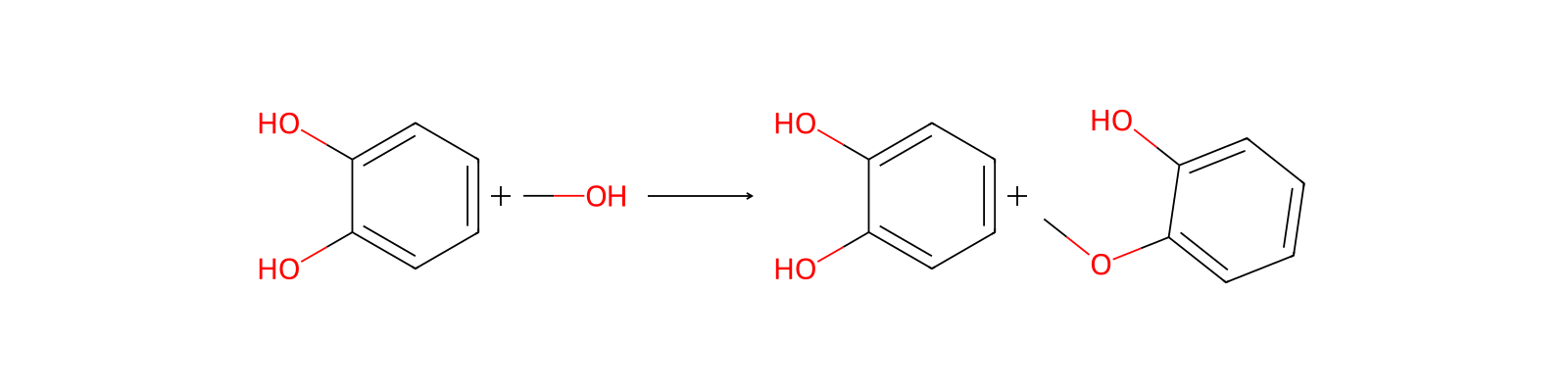
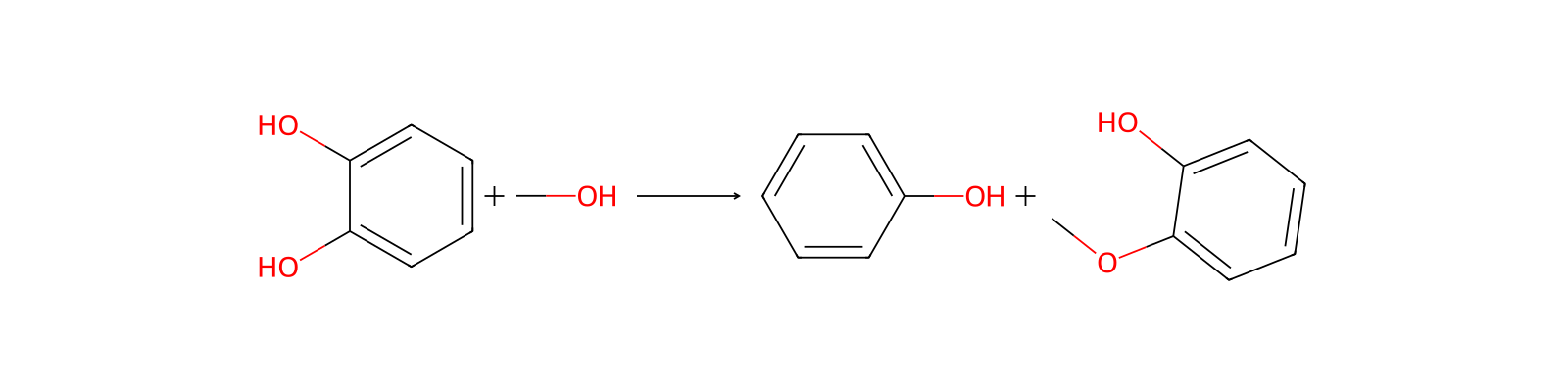
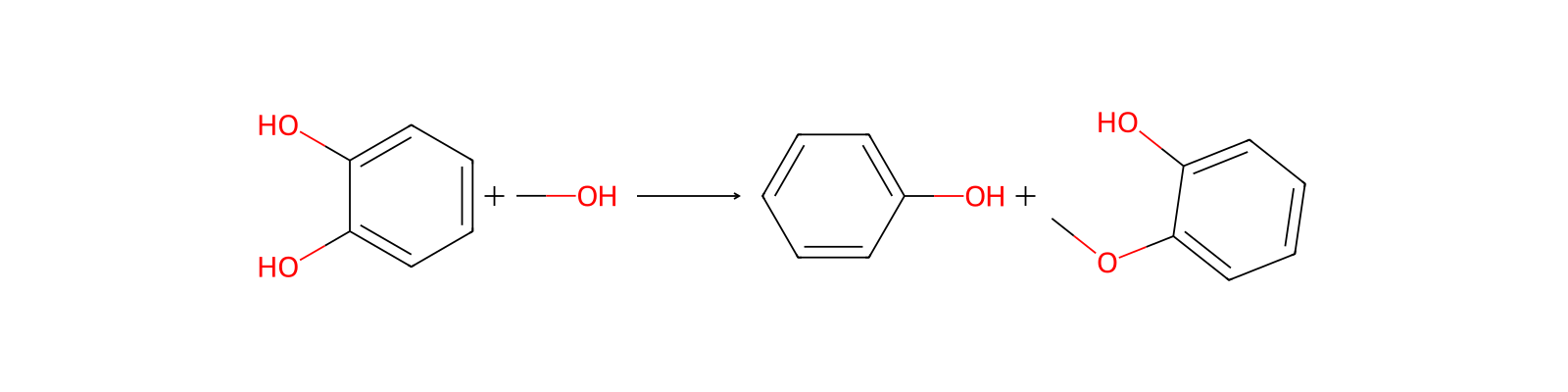
Catechol yields guaiacol in rat. ... In the rabbit /catechol/ ... yields o-hydroxyphenyl-beta-d-glucuronide, o-hydroxyphenyl sulfate, and hydroxyquinol ... .
Structure-reactivity studies ... undertaken in rat ... results obtained with ... catechol ... show that 2 vicinal hydroxyl groups are a necessary condition for the /methylation/ reaction to take place, providing evidence for mode of action of catechol o-methyl transferase.
Rabbits administered pyrocatechol orally excreted in the urine 18% as sulfate, 70% as monoglucuronide, and 2% as free pyrocatechol.
For more Metabolism/Metabolites (Complete) data for CATECHOL (9 total), please visit the HSDB record page.
Catechol has known human metabolites that include Diphenol glucuronide, catechol sulfate, and o-Methoxyphenyl sulfate.
Absorption, Distribution and Excretion
Pyrocatechol is readily absorbed from the GI tract and through the intact skin of mice, and probably through the lungs ... Part of the catechol ... conjugates in the body with glucuronic, sulfuric, and other acids and is excreted in the urine, with a little "free" pyrocatechol. The conjugates hydrolyze easily in the urine with the liberation of the "free" catechol, which is oxidized by air with the formation of dark-colored substances that impart to the urine a "smokey" appearance.
When mice were exposed to cigarette smoke containing radiolabeled pyrocatechol, pyrocatechol was distributed readily into the blood and tissues; 90% of the radioactivity was excreted in the urine within 24 hr.
Catechol... is absorbed in the respiratory tract. ...Very little is excreted in the urine as free catechol.
The "'S" skin notation in the listing /of the American Conference of Industrial Hygienists (ACGIH)/ refers to the "potential significant contribution to the overall exposure by the cutaneous route, including mucous membrane and the eyes, either by contact with vapors or, of probable greater significance, by direct skin contact with the substance."
Tissue LocationsAdipose Tissue
Metabolite PathwaysAlkaptonuria
Uses & manufacturing
Uses
CIR ingredient: Pyrocatechol
Catechol is used as a photographic developer, a developer for fur dyes, as an intermediate for antioxidants in rubber and lubricating oils, in polymerization inhibitors, and in pharmaceuticals.
Used in the photography, rubber, dye, and oil industries as an antioxidant; also used to produce cosmetics and pharmaceuticals; [ACGIH]
Photographic Processing [Category: Other]
Smoking cigarettes [Category: Food & Drugs]
Antiseptic /former US/, photography, dyestuffs, electroplating, specialty inks, antioxidants and light stabilizers, organic synthesis.
ImpuritiesAsh content, wt% (max) is 0.05. /From table/
U.S. Imports
(1972) 1.33X10+8 G (PRINCPL CUSTMS DISTS)
(1975) 1.56X10+8 GRAMS (PRINCPL CUSTMS DISTS)
U.S. Production
2023: 10,000,000 - <50,000,000 lb
(1975) PROBABLY GREATER THAN 4.54X10+5 GRAMS
(1986) >1 million-10 million pounds
(1990) >1 million-10 million pounds
(1994) >10 million-50 million pounds
For more U.S. Production (Complete) data for CATECHOL (9 total), please visit the HSDB record page.
Consumption Patterns... In 1990 ... It is assumed that 50% ... was used as starting material for insecticides, 35-40% for perfumery and drugs, and 10-15% for polymerization inhibitors and others.
Consumer UsesIntermediate
Industry UsesIntermediate
Methods of Manufacturing
Catechol is currently manufactured together with hydroquinone by direct hydroxylation of phenol with peroxides. ... the reaction mixture is separated by distillation in different distillation columns. Water is removed, low-boiling fractions (solvents, ketone etc.) and unreacted phenol are recovered and recycled, the catechol fraction is made into a flaked product, and hydroquinone is purified by recrystallization of the corresponding fraction from water.
Pyrocatechol may be obtained by the fusion of o-phenolsulfonic acid with alkali, by heating o-chlorophenol with a solution of sodium hydroxide at 200 °C in an autoclave, or by cleavage of the methyl ether group of guaiacol (obtained from beechwood tar) with hydroidic acid.
Prepared by treating salicylaldehyde with hydrogen peroxide, or from its monomethyl ether (guaiacol) by treatment with hydrobromic acid.
... Commercial production in USA ... based on either alkaline fusion of ortho-chlorophenol or recovery from lignin-containing wastes from wood pulping operations.
Formulations/Preparations
Dust & Liquid. Guardian Chemical Corp, Eastern Chemical Div
... Available in USA in technical, chemically pure and extra pure grades. One manufacture's specifications for chemically pure ... White crystals or flakes with 99.3% min purity, 0.35% max water & freezing point 103 °C min; for extra pure grade: white crystals with 99.5% min purity, 0.3% max water & freezing point 103.2 °C min.
Grades: Technical, CP, resublimed.
General Manufacturing Information
All Other Basic Organic Chemical Manufacturing
1,2-Benzenediol: ACTIVE
Discontinued 1984 by Crown Zellerbach
Health Canada does not permit the use of Pyrocatechol (catechol) in cosmetics and personal care products. ... The Cosmetics Directive of the European Union /has stated that catechol/ must not form part of the composition of cosmetics and personal care products
Applications
DescriptionCatechol is a white crystalline solid. Turnsbrown on contact with light and air. Molecularweight=110.12; Specific gravity (H2O:1)=1.3; Boilingpoint=245.5℃; Freezing/Melting point=104℃. It sublimes readily; Vapor pressure=10 mmHg at 117℃; Flashpoint=127℃; Autoignition temperature=512℃.Explosive Limits in air: LEL=1.4%; UEL-Unknown.Hazard Identification (based on NFPA 704 M RatingSystem): Health 3, Flammability 1, Reactivity 2. Solubilityin water=44%.
UsesIn photography; dyeing fur; as reagent.
UsesCatechol is used in photography, in dyeing fur, and as a topical antiseptic.
UsesIn the manufacture of rubber antioxidants and monomer inhibitors to stop radical polymerization; in dyes, as a photographic developer; in formulations for pharmaceuticals, perfumes, inks, and insecticides
General DescriptionSolid; white; odorless. Sinks and mixes with water.
Upstream & downstream products
Upstream raw materials
Downstream products
Suppliers50 total
国药集团化学试剂有限公司86-21-63210123 · [email protected]
梯希爱(上海)化成工业发展有限公司021-67121386 · [email protected]
上海阿拉丁生化科技股份有限公司400-6206333 13167063860 · [email protected]
浙江荣大化工有限公司571-88086013
山东信恒化工有限公司15269160602 15269160602
Syntechem Co.,Ltd[email protected]
上海迈瑞尔生化科技有限公司4006356688 18621169109 · [email protected]
武汉易泰科技有限公司上海分公司18930552037 · [email protected]
阿法埃莎(中国)化学有限公司400-6106006 · [email protected]
安耐吉化学&3A(安徽泽升科技股份有限公司)400-0056266 · [email protected]
济南世纪通达化工有限公司15605418165
上海景颜化工科技有限公司13817811078 · [email protected]
武汉赛沃尔化工有限公司027-85613400 18707177243 · [email protected]
合肥天健化工有限公司551-65418679 15856988503;15837135945 · [email protected]
南京蓝白化工有限公司025-85499326 15366059326;13813836665 · [email protected]
玛雅试剂+86 (573) 82222445 (0)18006601000 452520369 · [email protected]
四川库利南科技有限公司400-1166-196 18981987031 · [email protected]
天津希恩思生化科技有限公司400 638 7771 · [email protected]
斯百全化学(上海)有限公司021-021-021-67601398-809-809-809 15221380277 · [email protected]
北京泰亚杰科技有限公司021-33690831-8001 13552411790;18616022633 · [email protected]
艾科试剂4008-755-333 18080918076 · [email protected]
上海思域化工科技有限公司86-21-34053660 · [email protected]
赛默飞世尔科技(中国)有限公司800-810-5118 · [email protected]
北京伊诺凯科技有限公司400-810-7969 010-59572699 · [email protected]
上海遐瑞医药科技有限公司+86 21 61551611
TCI AMERICA800-4238616 · [email protected]
TOKYO CHEMICAL INDUSTRY CO., LTD.03-36680489 · [email protected]
TCI Europe320-37350700 · [email protected]
上海陶素生化科技有限公司021-33632979 · [email protected]
上海倍卓生物科技有限公司021-61119791,13386096464 · [email protected]
北京环宇世纪化学科技有限公司hysj_bj.com
HBCChem, Inc.+1-510-219-6317 · [email protected]
日照力德士化工有限公司010-51268198 · [email protected]
美岚实业(上海)有限公司021-58958189 · [email protected]
上海爱蝶实业有限公司021-58957966 18930537195 · [email protected]
成都零六生物科技有限公司400-1166-196 13458535857 · [email protected]
广拓化学(上海)有限公司021-60899189-8001 18918189673 · [email protected]
雷丁试剂0510-85629785 18013409632 · [email protected]
上海德榜化工有限公司021-61531158 · [email protected]
上海麦克林生化科技股份有限公司15221275939 15221275939 · [email protected]
杭州杰恒化工有限公司0571-87396432 · [email protected]
上海永叶生物科技有限公司86-021-61559134 15921386130 · [email protected]
上海嵩爰化工科技有限公司010-1234567 18521000990 · [email protected]
上海有朋化工有限公司021-69005955 13701776567 · [email protected]
上海凯赛化工有限公司021-33516722 13701817765 · [email protected]
上海彤源化工有限公司021-021-69182866 13701855675 · [email protected]
成都润泽本土化工有限公司13096311329 028-88469284 616445927 · [email protected]
凯试(上海)科技有限公司021-50135380 · [email protected]
上海蓝润化学有限公司021-69515658 ; 69515628 13701998368 · [email protected]
上海容立化学科技有限公司021-69992220 13701886816 · [email protected]
Additional notes
DefinitionA colourless crystalline PHENOL containing two hydroxyl groups. It is used in photographic developing.
Related reactions
400 records


Linked notes
Loading…