Oxalic Acid → 4-Methylcatechol-(p-cresol)
HRID 342821
Reaction equation

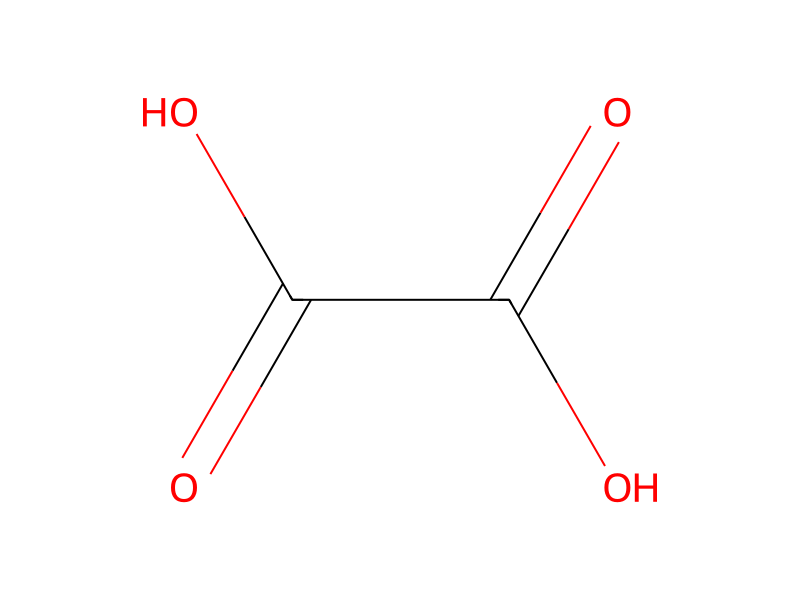
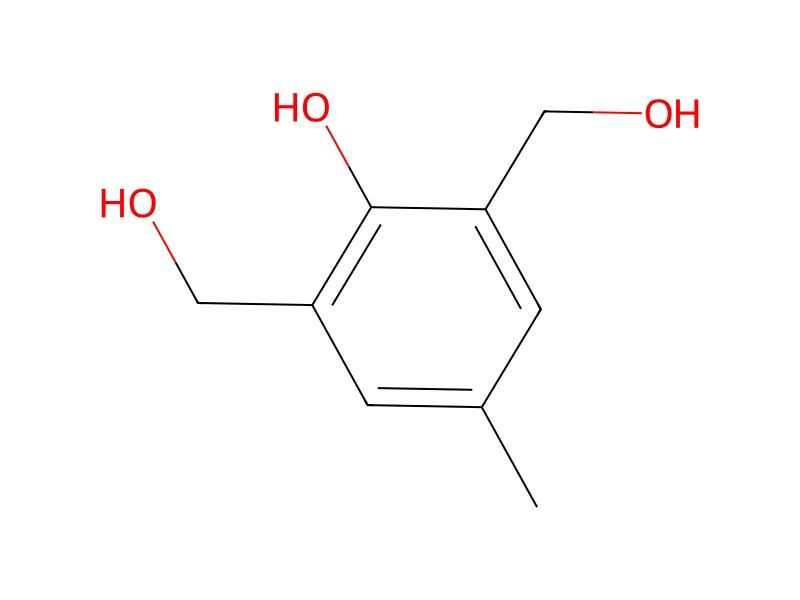
OC[C:3]1[CH:8]=[C:7]([CH3:9])[CH:6]=[C:5](CO)[C:4]=1[OH:12].C(O)(=O)C(O)=O.[CH3:19][C:20]1[CH:21]=[C:22]([OH:27])[C:23](=[CH:25][CH:26]=1)[OH:24]>O>[CH:3]1[C:4]([OH:12])=[CH:5][CH:6]=[C:7]([CH3:9])[CH:8]=1.[CH3:19][C:20]1[CH:21]=[C:22]([OH:27])[C:23](=[CH:25][CH:26]=1)[OH:24]Participants
5
Reactant 3

Product 1

Reagents, catalysts & solvents 1

Conditions
- Temperature
- 70 °C