Reaction equation

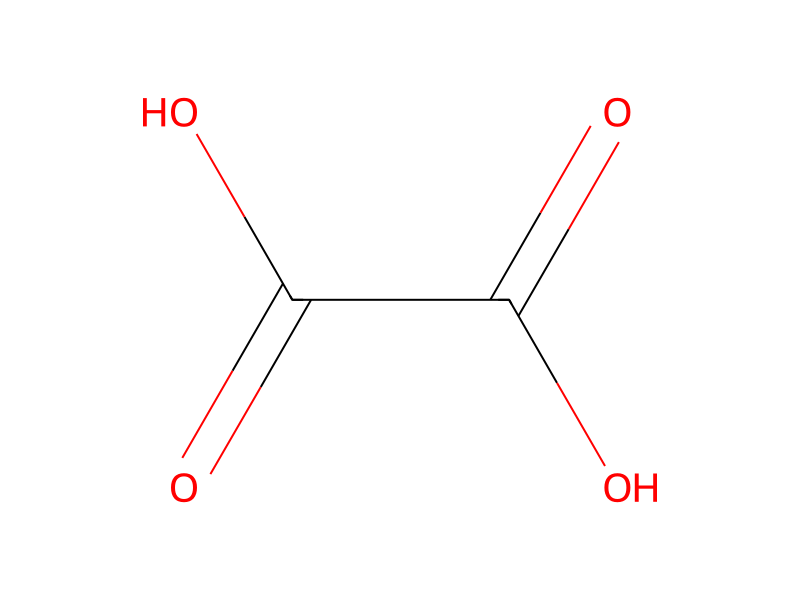
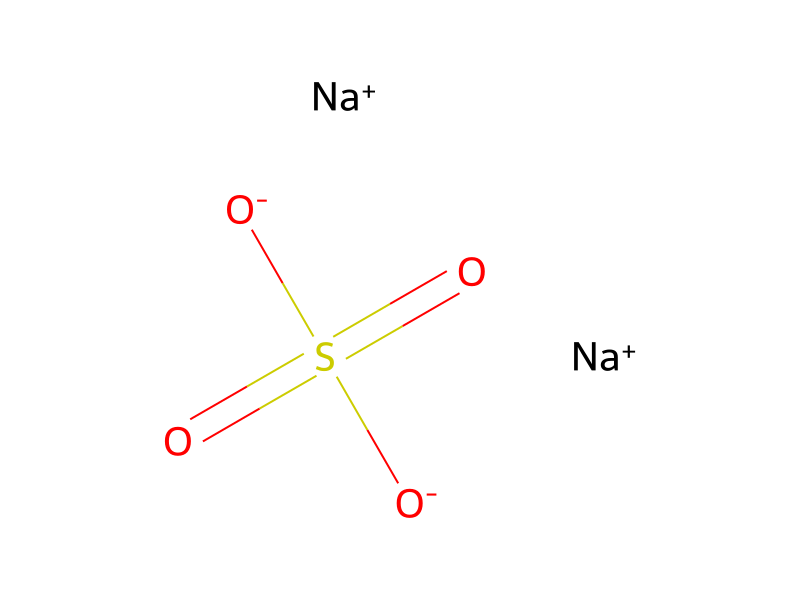
[O-]S([O-])(=O)=O.[Na+].[Na+].[O:8]1[CH:13]=[CH:12][CH2:11][CH2:10][CH2:9]1.[C:14]([OH:19])(=[O:18])[C:15]([OH:17])=[O:16].[OH:20][CH2:21][CH2:22][C:23]1[CH:28]=[CH:27][C:26]([OH:29])=[CH:25][CH:24]=1>CC(C)=O>[C:14]([OH:19])(=[O:18])[C:15]([OH:17])=[O:16].[O:8]1[CH2:9][CH2:10][CH2:11][CH2:12][CH:13]1[O:20][CH2:21][CH2:22][C:23]1[CH:28]=[CH:27][C:26]([OH:29])=[CH:25][CH:24]=1Participants
7
Reactant 4


Product 2

Reagents, catalysts & solvents 1

Procedure
Alternatively, suitable 4-(hydroxyalkyl)phenols or 4-(hydroxyalkyl)thiophenols may be protected in one step by combining a solution of the selected 4-(hydroxyalkyl)phenol or 4-(hydroxyalkyl)thiophenol in acetone with Na2SO4, dihydropyran, and a catalytic amount of oxalic acid. For example, 4-(2-hydroxyethyl)phenol in acetone is reacted with Na2SO4, distilled dihydropyran, and a catalytic amount of oxalic acid for three hours to yield 4-(2-tetrahydropyran-2-yloxyethyl)phenol (9).
Workup
- distillationdistilled dihydropyran
Sources & evidence
- ORD record
- ord-5e7e6a073a6747c0a45822ef0a795ac2
- Source dataset
- uspto-grants-1988_08
- Patent number
- US04761420
Linked notes
Loading…