HomeMCPWorkbenchSkills
HomeWorkbenchNotificationsMe
llms.txt · MCP GuidePrivacy Policy · Terms of Service · Supportv1.8.0
  1. Home
  2. /Reaction

2(3H)-Benzoxazolone → 3-(2-Chloroethyl)-2,3-dihydro-1,3-benzoxazol-2-one

HRID 344676
Notes
Print preview

Reaction equation

HRID 344676 reaction equation
[O:1]1[C:5]2[CH:6]=[CH:7][CH:8]=[CH:9][C:4]=2[NH:3][C:2]1=[O:10].[H-].[H][H].Br[CH2:15][CH2:16][Cl:17]>CN(C)C=O>[O:10]=[C:2]1[N:3]([CH2:15][CH2:16][Cl:17])[C:4]2[CH:9]=[CH:8][CH:7]=[CH:6][C:5]=2[O:1]1
ParticipantsProcedureWorkupSources & evidenceReaction notes

Participants

6

Reactant 4

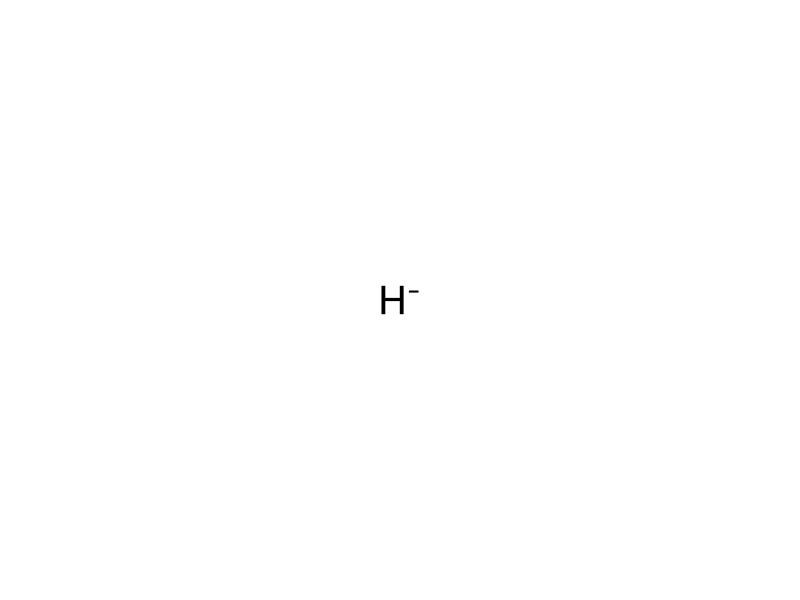
HCID 60432(3H)-BenzoxazoloneHCID 78491-Bromo-2-ChloroethaneHCID 166653HydrideHCID 178418361HCID 178418361, compound

Product 1

HCID 140075933-(2-Chloroethyl)-2,3-dihydro-1,3-benzoxazol-2-oneYield 80%

Reagents, catalysts & solvents 1

HCID 6228
Dimethylformamide
Solvent
2×

Procedure

Sodium hydride (3.9 g, mmol, 50% mineral oil dispersion) was washed with hexane to remove mineral oil (3×10 ml) under a stream of nitrogen. A solution of 1,3-benzoxazolin-2-one (Aldrich, 10 g, 74 mmol) in dimethylformamide (DMF) (70 ml) was then added dropwise with stirring to the hydride until hydrogen evolution ceased. The reaction flask was immersed in an ice bath and 2-bromochloroethane (12.3 ml, 148 mmol) in dimethylformamide (30 ml) was added dropwise. The reaction mixture was stirred at room temperature for 30 minutes, then heated to reflux for 3 days. At the end of this time thin layer chromatography analysis showed consumption of starting material. The reaction mixture was then cooled and the solvent evaporated under vacuum. The residue was worked-up as described above and purified by column chromatography (400 g fine silica, chloroform-methanol-ammonium hydroxide, 80:1:0.1) to yield 11.7 g (80%) of pure 2-(2-oxo-1,3-benzoxazolin-3-yl)ethyl chloride (mp. 77°-79° C. as a pale orange solid.

Workup

  1. washSodium hydride (3.9 g, mmol, 50% mineral oil dispersion) was washed with hexane
  2. customto remove mineral oil (3×10 ml) under a stream of nitrogen
  3. customThe reaction flask was immersed in an ice bath
  4. temperatureheated
  5. temperatureto reflux for 3 days
  6. customconsumption of starting material
  7. temperatureThe reaction mixture was then cooled
  8. customthe solvent evaporated under vacuum
  9. custompurified by column chromatography (400 g fine silica, chloroform-methanol-ammonium hydroxide, 80:1:0.1)

Sources & evidence

ORD record
ord-680e6197f86f4bb486e7e1d8bbc9bf66
Source dataset
uspto-grants-1991_10
DOI
10.6084/m9.figshare.5104873.v1
Patent number
US05053411

Reaction notes

Loading…

On this pageParticipantsProcedureWorkupSources & evidenceReaction notes