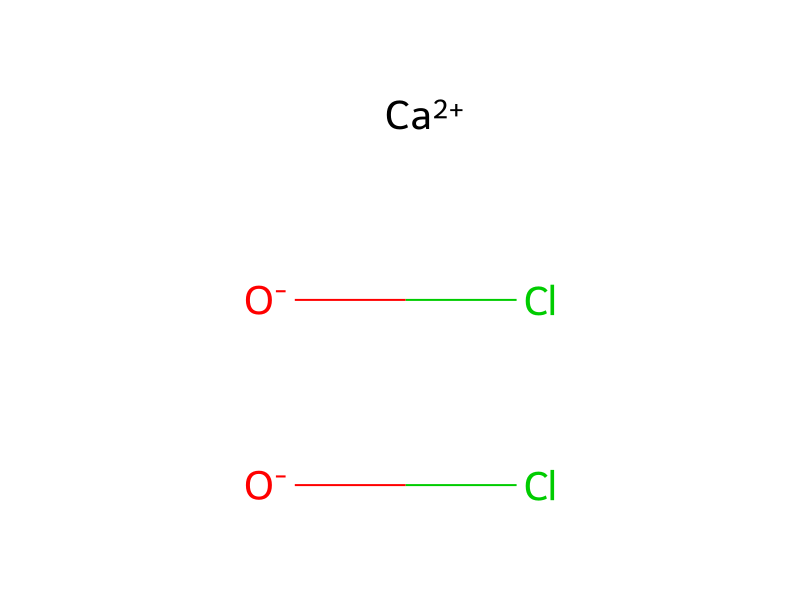
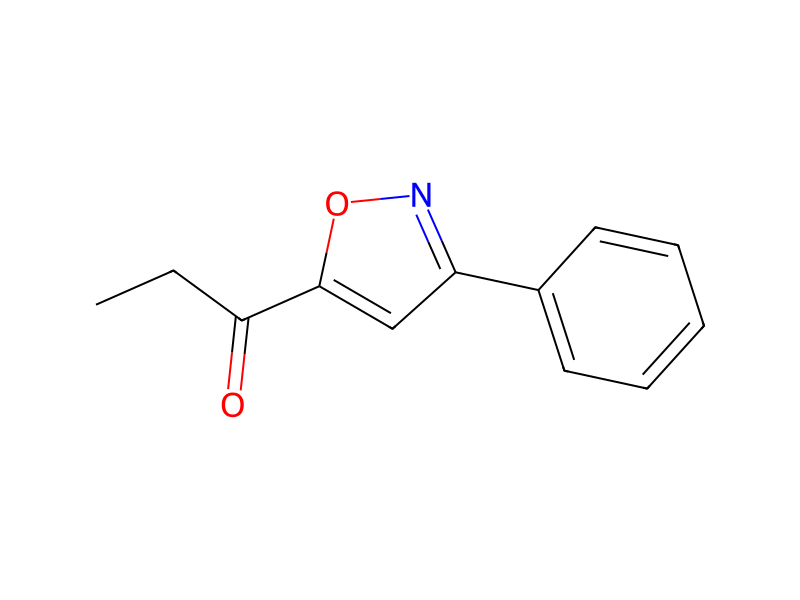
Calcium hypochlorite → 5-Propionyl-3-phenylisoxazole
HRID 345178
Reaction equation
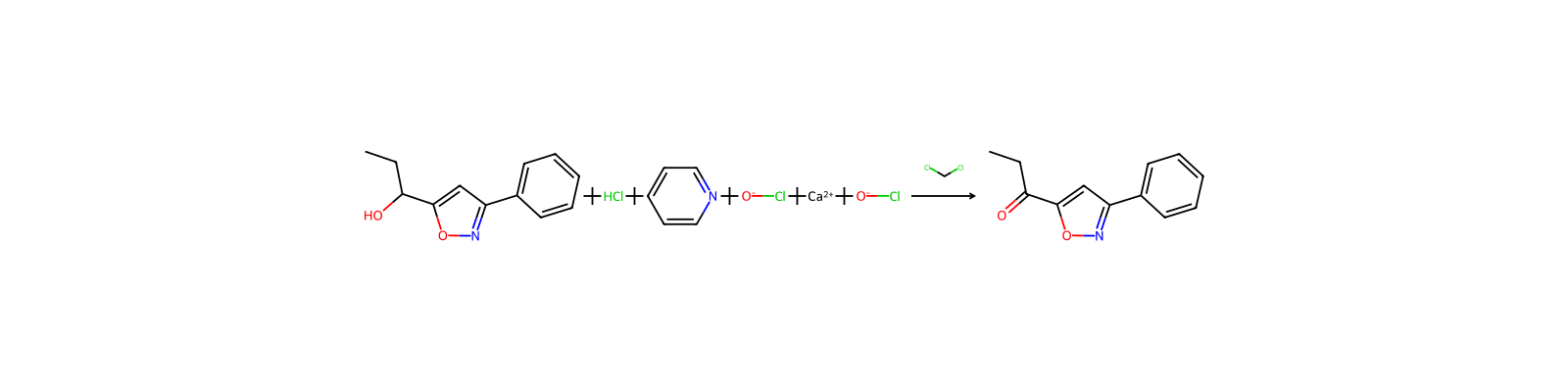
[OH:1][CH:2]([C:5]1[O:9][N:8]=[C:7]([C:10]2[CH:15]=[CH:14][CH:13]=[CH:12][CH:11]=2)[CH:6]=1)[CH2:3][CH3:4].Cl.N1C=CC=CC=1.Cl[O-].[Ca+2].Cl[O-]>ClCCl>[C:2]([C:5]1[O:9][N:8]=[C:7]([C:10]2[CH:15]=[CH:14][CH:13]=[CH:12][CH:11]=2)[CH:6]=1)(=[O:1])[CH2:3][CH3:4]Participants
5
Reactant 3

Product 1
Reagents, catalysts & solvents 1

Procedure
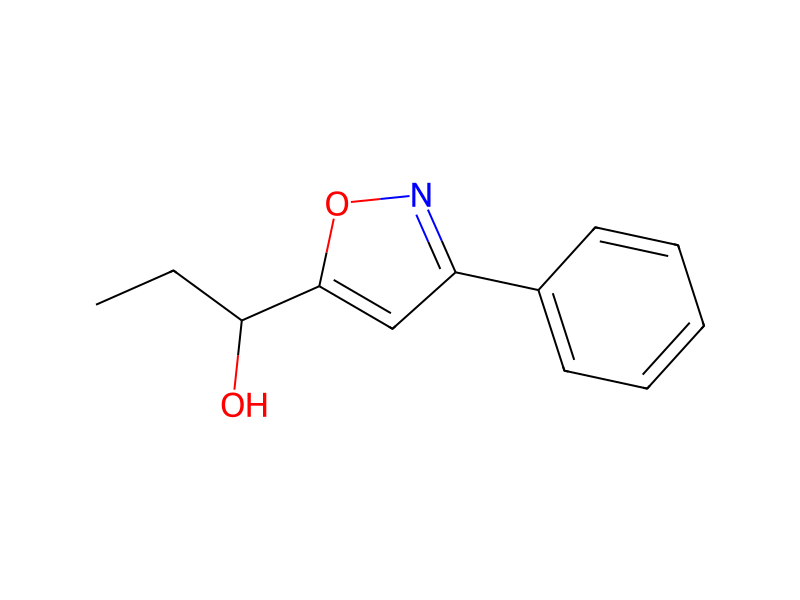
In 10 ml of dichloromethane, 1.0 g (5.0 mmol) of 5-(1-hydroxypropyl)-3-phenylisoxazole was dissolved. To the solution were added 100 mg (0.9 mmol) of pyridine hydrochloride, followed by the further addition of 1.4 g (9.9 mmol) of calcium hypochlorite. They were reacted at room temperature for 5 hours. After completion of the reaction, insoluble matter was filtered off and the organic layer was washed with water. The organic layer was dried over anhydrous sodium sulfate and the solvent was distilled off under reduced pressure. The residue was then recrystallized from ethanol, whereby the target compound, namely, 5-propionyl-3-phenylisoxazole was obtained as crystals.