Reaction equation

[CH2:1]([C:5]12[CH2:11][C:9]([C:12]3[CH:17]=[CH:16][C:15]([N+:18]([O-])=O)=[CH:14][CH:13]=3)([CH2:10]1)[C:8](=[O:21])[N:7]([CH2:22][CH2:23][CH3:24])[C:6]2=[O:25])[CH:2]([CH3:4])[CH3:3].CCCCCC.CCOCC>C(OCC)(=O)C.[Pd]>[NH2:18][C:15]1[CH:14]=[CH:13][C:12]([C:9]23[CH2:11][C:5]([CH2:1][CH:2]([CH3:4])[CH3:3])([CH2:10]2)[C:6](=[O:25])[N:7]([CH2:22][CH2:23][CH3:24])[C:8]3=[O:21])=[CH:17][CH:16]=1Participants
5
Reactant 2

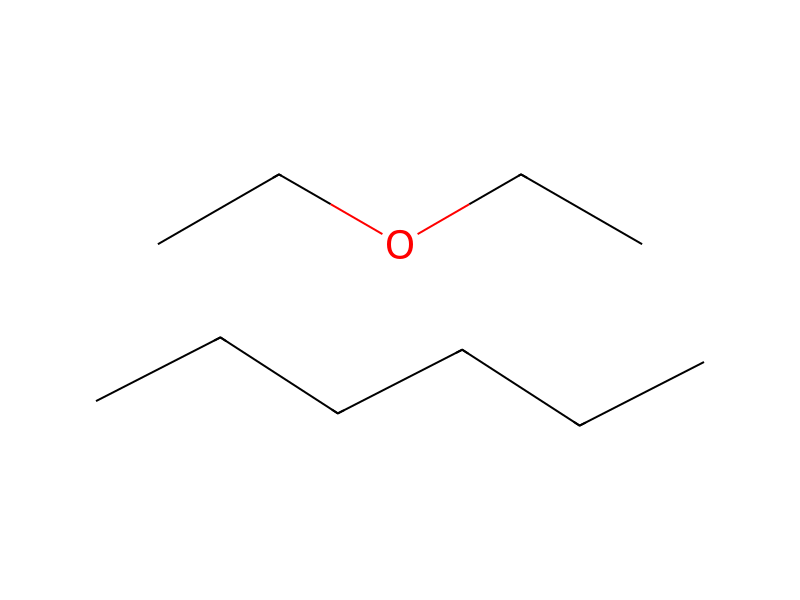
Product 1

Reagents, catalysts & solvents 2


Procedure
In a manner analogous to that described in Example 12a, 5.2 g of 5-isobutyl-1-(4-nitrophenyl)-3-n-propyl-3-azabicyclo[3.1.1]heptane-2,4-dione in 100 ml of ethyl acetate are hydrogenated in the presence of 0.5 g of 5% palladium-on-carbon and worked up. Melting point 86.5°-87° (from n-hexane/ether).
Sources & evidence
- ORD record
- ord-5b3a4f64ded841f7b9dbfc323370daf5
- Source dataset
- uspto-grants-1988_08
- Patent number
- US04764640
Linked notes
Loading…