Ethyl Bromide → 9-chloro-5-(o-fluorophenyl)-1,3-dihydro-3,3-dimethyl-7-nitro-2H-1,4-benzodiazepin-2-one
HRID 354765
Reaction equation

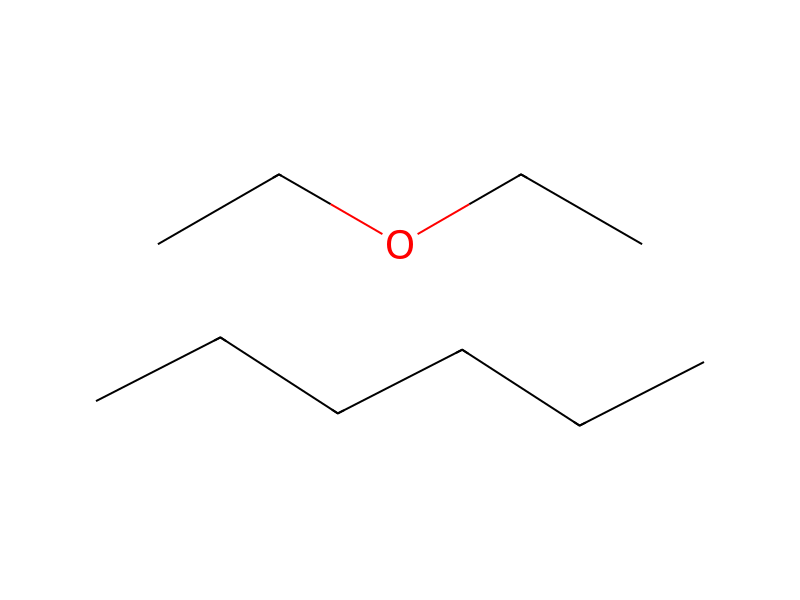
C(Br)C.FC1C=CC=CC=1C1C2C=C([N+]([O-])=O)C=CC=2N(C)C(=O)C(C)(C)N=1.[Cl:29][C:30]1[C:40]2[N:39](CC)[C:38](=[O:43])[C:37]([CH3:45])([CH3:44])[N:36]=[C:35]([C:46]3[CH:51]=[CH:50][CH:49]=[CH:48][C:47]=3[F:52])[C:34]=2[CH:33]=[C:32]([N+:53]([O-:55])=[O:54])[CH:31]=1>CCOCC.CCCCCC>[Cl:29][C:30]1[C:40]2[NH:39][C:38](=[O:43])[C:37]([CH3:45])([CH3:44])[N:36]=[C:35]([C:46]3[CH:51]=[CH:50][CH:49]=[CH:48][C:47]=3[F:52])[C:34]=2[CH:33]=[C:32]([N+:53]([O-:55])=[O:54])[CH:31]=1Participants
5