
Basic information
- Standard SMILES
CCBr- InChIKey
RDHPKYGYEGBMSE-UHFFFAOYSA-N- Molecular formula
- C2H5Br
- Average molar mass
- 108.97 g/mol
- Monoisotopic mass
- 107.95746226
Overview
Bromoethane can cause cancer according to The National Toxicology Program.
Names & identifiers
- Preferred name
- Ethyl Bromide
- IUPAC
- bromoethane
- English name
- Bromoethane
- Molecular formula
- C2H5Br
- Molecular weight
- 108.96
Names & synonyms
Bromoethane74-96-4ETHYL BROMIDE1-BromoethaneEthane, bromo-Bromic etherMonobromoethaneHydrobromic etherBromure d'ethyleEtylu bromekHalon 2001NCI-C55481
Show more names
C2H5BrBromethanEthylbromid1-BromethanF160B1SINOBIOhalon2001Bromoethan
DTXSID6020199NCI-554813LI8384T9PHNSC-8824DTXCID60199CHEBI:47232BromoethanumRefChem:5617
Database identifiers
- CAS
74-96-4- PubChem CID
- 6332
- DTXSID
DTXSID6020199- ChEMBL
CHEMBL156378- ChEBI
CHEBI:47232- UNII
- LI8384T9PH
- EC Number
- 200-825-8
- Nikkaji
- J2.383C
Properties
Computed structural properties
- XLogP
- 1.4
- Topological polar surface area
- 0 Ų
- Hydrogen bond donors
- 0
- Hydrogen bond acceptors
- 0
- Rotatable bonds
- 0
- Heavy atoms
- 3
- Formal charge
- 0
- Complexity
- 2.8
Experimental & physicochemical properties
Chemical ClassesFlammable agents - 3rd degree
SolventsSolvents -> Brominated Solvents
SpringerMaterials PropertiesCoriolis coupling
LogP
log Kow = 1.61
1.61
Odor
... Ether-like odor
Ethereal odor
TasteBurning taste
Density
1.46 at 68 °F (NTP, 1992) - Denser than water; will sink
1.4604 g/cu cm at 20 °C
Bulk density: 12-12.1 lb/gal
Relative density (water = 1): 1.4
1.46
1.451 @ 20°C
Viscosity0.379 cP at 25 °C
Color/Form
Liquid
Colorless, volatile liquid
Colorless to yellow liquid ... [Note: A gas above 101 degrees F]
Solubility
less than 1 mg/mL at 61 °F (NTP, 1992)
In water, 9,000 mg/L at 25 °C
In water, 1.067, 0.965, 0.914, and 0.896 g/100 g water at 0, 10, 20, and 30 °C, respectively
Miscible with ethanol, ether, chloroform
Miscible with organic solvents
Solubility in water, g/100ml at 20 °C: 0.91
CorrosivityLiquid ethyl bromide will attack some forms of plastics, rubber and coatings.
Flash Point
-10 °F (NTP, 1992)
-20 °C
-20 °C, -4 °F (Closed cup)
-20 °C c.c.
-10 °F
<4 °F
Physicochemical properties
- Melting point
- -119 °C · -119 °C
- Boiling point
- 37 · 37-40 °C(lit.)
- Density
- 1.46 g/mL · 1.46 g/mL at 25 °C(lit.)
- vapor density
- 3.75 · ~3.75 (vs air)
- vapor pressure
- 25.32 psi · 25.32 psi ( 55 °C)
- refractive index
- 20 · n20/D 1.425(lit.)
- Flash point
- -23 °C · -23 °C
- storage temp.
- 30 °C · Store below +30°C.
- solubility
- Miscible with ethanol, ether, chloroform and organic solvents.
- form
- Liquid
- color
- Clear colorless to slightly yellow
- explosive limit
- 6.7 · 6.7-11.3%(V)
- Water Solubility
- 0.91 g/100 · 0.91 g/100 mL (20 ºC)
- Specific Heat Capacity
- 0.93 J/ · Cp(liquid): 0.93 J/(g·K); Cp(gas): 0.59 J/(g·K), at 25℃
- Thermal Conductivity
- 0.101 W/ · 0.101 W/(m·K) at 25 ℃
- Sensitive
- Light Sensitive
- Merck
- 14 · 14,3771
- BRN
- 1209224 · 1209224
- Henry's Law Constant
- 7.56 · 7.56(x 10-3 atmm3/mol) at 25 °C (Hine and Mookerjee, 1975)
- Exposure limits
- 5 ppm · ACGIH TLV-TWA:5 ppm (22 mg/m3);TLV-STEL:250 ppm (~110 mg/m3)OSHA PEL-TWA:200 ppm (890 mg/m³)NIOSH REL-TWA:200 ppm (~90 mg/m3);IDLH:3500 ppm
- Dielectric constant
- 9.4 · 9.4(20℃)
- Stability
- Stable. Highly flammable. Readily forms explosive mixtures with air. Note low flash point. Incompatible with alkali metals, aluminium, magnesium, strong bases, water, strong oxidizing agents. May be light sensitive.
- InChI
- 1S/C2H5Br/c1-2-3/h2H2,1H3
- InChIKey
- RDHPKYGYEGBMSE-UHFFFAOYSA-N
- SMILES
- CCBr
- Surface tension
- 24.2 mN/m · 24.2mN/m at 20°C
- Toxicology and Carcinogenesis
- Toxicology and Carcinogenesis Studies of Bromoethane (Ethyl Bromide) (CASRN 74-96-4) in F344/N Rats and B6C3F1 Mice (Inhalation Studies)
- CAS DataBase Reference
- 74 · 74-96-4(CAS DataBase Reference)
- EWG's Food Scores
- 4 · 4
- FDA UNII
- 8384 T9PH · LI8384T9PH
- Proposition 65 List
- Bromoethane
- IARC
- 3 · 3 (Vol. 52, 71) 1999
- NIST Chemistry Reference
- Ethane, bromo-(74-96-4)
- EPA Substance Registry System
- Bromoethane (74-96-4)
- UNSPSC Code
- 12352101 · 12352101
- NACRES
- 22 · NA.22
- Symbol(GHS)
- 2 · GHS02,GHS07,GHS08
- Signal word
- Danger
- Hazard statements
- 302 · H302-H333-H316-H319-H361-H370-H373-H351-H336-H225
- Precautionary statements
- 501 · P501-P270-P202-P240-P260-P210-P233-P201-P243-P241-P242-P271-P264-P280-P370+P378-P337+P313-P305+P351+P338-P308+P311-P303+P361+P353-P332+P313-P301+P312+P330-P304+P340+P312-P403+P233-P403+P235-P405
- PPE
- Eyeshields, Faceshields, Gloves
- Hazard Codes
- F,Xn
- Risk Statements
- 11 · 11-20/22-40
- Safety Statements
- 36 · 36/37
- RIDADR
- 1891 · UN 1891
- WGK Germany
- 1 · 1
- RTECS
- 6475000 · KH6475000
- F
- 8 · 8
- Autoignition Temperature
- 952 °F · 952 °F
- TSCA
- TSCA listed
- HS Code
- 2903 · 2903 39 19
- HazardClass
- 3 · 3
- PackingGroup
- II
- Storage Class
- 3 · 3 - Flammable liquids
- Hazard Classifications
- 4 InhalationAcute · Acute Tox. 4 InhalationAcute Tox. 4 OralCarc. 2Flam. Liq. 2Ozone 1
- Hazardous Substances Data
- 74 · 74-96-4(Hazardous Substances Data)
- Toxicity
- 50 rats, · LC50 rats, mice (ppm): 27000, 16200 (Vernot)
- IDLA
- 2 · 2,000 ppm
- REACH Registrations
- Active
- Limited Quantities
- 100 ml · 100ml (liquid) or 0.5 Kg (solid)
- Excepted Quantities
- Max Inner Pack (30g or 30ml) and Max Outer Pack (500g or 500ml)
Safety & regulation
GHS classification
GHS Classification
Danger
H225: Highly Flammable liquid and vapor [Danger Flammable liquids]
P203, P210, P233, P240, P241, P242, P243, P261, P264, P270, P271, P280, P301+P317, P303+P361+P353, P304+P340, P317, P318, P330, P370+P378, P403+P235, P405, and P501 (click each P-code to see the statement)
Danger
H225 (100%): Highly Flammable liquid and vapor [Danger Flammable liquids]
P203, P210, P233, P240, P241, P242, P243, P261, P264, P270, P271, P280, P301+P317, P303+P361+P353, P304+P340, P317, P318, P330, P370+P378, P403+P235, P405, P501, and P502 (click each P-code to see the statement)
Hazard information
Regulatory Information
Chemical: Ethane, bromo-
Hazard Traits - Carcinogenicity
Ethane, bromo- is listed on the EPA's Chemical Data Reporting (CDR) system. Manufacturers and importers of Ethane, bromo- are required to report information about their production and use of this chemical to the EPA under the Toxic Substances Control Act (TSCA). (40 eCFR Part 711)
Status: Active Update: 17-05-2019 https://echa.europa.eu/registration-dossier/-/registered-dossier/11503
Bromoethane: HSNO Approval: HSR002987 Approved with controls
The New Jersey Worker and Community Right to Know Act requires public and private employers to provide information about hazardous substances at their workplaces. (N.J.S.A. 34:5A-1 et. seq.)
Other Safety InformationIMAP assessments - Ethane, bromo-: Human health tier II assessment
DOT LabelPoison
Fire Hazards
Excerpt from ERG Guide 131 [Flammable Liquids - Toxic]:
· HIGHLY FLAMMABLE: Will be easily ignited by heat, sparks or flames.
Extremely flammable.
Fire PotentialDangerously flammable by heat, open flame (sparks), oxidizers.
Health Hazards
Excerpt from ERG Guide 131 [Flammable Liquids - Toxic]:
· TOXIC; may be fatal if inhaled, ingested or absorbed through skin.
Hazards SummaryAnesthesia and liver toxicity occur in animal inhalation studies; [ACGIH] A skin, eye, and respiratory tract irritant; Inhalation of high concentrations can cause CNS depression; [ICSC]
DOT ID and Guide
1891 131
1891 131
Reactive GroupHalogenated Organic Compounds
EC ClassificationSymbol: F, Xn; R: 11-20/22-40; S: (2)-36/37; Note: E
UN ClassificationUN Hazard Class: 6.1; UN Pack Group: II
Special Reports
Toxicology and Carcinogenesis Studies of Bromoethane (Ethyl Bromide) (CAS No. 74-96-4) in F344/N Rats and B6C3F1 Mice (Inhalation Studies) Report # 363 (1989) NIH Pub # 90-2818, U.S. Department of Health and Human Services, National Toxicology Program, National Institute of Environmental Health Sciences, Research Triangle Park, NC 27709.
USEPA; Health Effects Assessment for Bromoethane (1987) EPA/600/8-88/022
Safety & protection
Fire Fighting
Excerpt from ERG Guide 131 [Flammable Liquids - Toxic]:
Use water spray, powder, foam, carbon dioxide.
First Aid Measures
Fresh air, rest. Refer for medical attention.
Remove contaminated clothes. Rinse and then wash skin with water and soap. Refer for medical attention .
First rinse with plenty of water for several minutes (remove contact lenses if easily possible), then refer for medical attention.
Refer for medical attention .
Accidental Release Measures
· CALL 911. Then call emergency response telephone number on shipping paper. If shipping paper not available or no answer, refer to appropriate telephone number listed on the inside back cover.
· ELIMINATE all ignition sources (no smoking, flares, sparks or flames) from immediate area.
First Aid
EYES: First check the victim for contact lenses and remove if present. Flush victim's eyes with water or normal saline solution for 20 to 30 minutes while simultaneously calling a hospital or poison control center. Do not put any ointments, oils, or medication in the victim's eyes without specific instructions from a physician. IMMEDIATELY transport the victim after flushing eyes to a hospital even if no symptoms (such as redness or irritation) develop.
General First Aid:
(General first aid procedures)
Safe StorageFireproof. Separated from incompatible materials. Cool. Dry. Well closed. Ventilation along the floor.
Exposure Control and Personal Protection· Wear positive pressure self-contained breathing apparatus (SCBA).
Fire Fighting Procedures
Suitable extinguishing media: Use water spray, alcohol-resistant foam, dry chemical or carbon dioxide.
Advice for firefighters: Wear self-contained breathing apparatus for firefighting if necessary.
Use water spray to cool unopened containers.
If material on fire or involved in fire: Do not extinguish fire unless flow can be stopped. Use water in flooding quantities as fog. Solid streams of water may be ineffective. Cool all affected containers with flooding quantities of water. Use "alcohol" foam, dry chemical or carbon dioxide. Keep run-off water out of sewers and water sources.
Storage Conditions
Keep container tightly closed in a dry and well-ventilated place. Containers which are opened must be carefully resealed and kept upright to prevent leakage. Light sensitive. Refrigerate before opening. Over time, pressure may increase causing containers to burst. Handle and open container with care.
Cleanup Methods
ACCIDENTAL RELEASE MEASURES: Personal precautions, protective equipment and emergency procedures: Use personal protective equipment. Avoid breathing vapors, mist or gas. Ensure adequate ventilation. Remove all sources of ignition. Evacuate personnel to safe areas. Beware of vapors accumulating to form explosive concentrations. Vapors can accumulate in low areas. Environmental precautions: Prevent further leakage or spillage if safe to do so. Do not let product enter drains. Discharge into the environment must be avoided. Methods and materials for containment and cleaning up: Contain spillage, and then collect with an electrically protected vacuum cleaner or by wet-brushing and place in container for disposal according to local regulations.
Nonfire Spill ResponseExcerpt from ERG Guide 131 [Flammable Liquids - Toxic]:
Disposal Methods
SRP: Recycle any unused portion of the material for its approved use or return it to the manufacturer or supplier. Ultimate disposal of the chemical must consider: the material's impact on air quality; potential migration in air, soil or water; effects on animal, aquatic and plant life; and conformance with environmental and public health regulations. If it is possible or reasonable use an alternative chemical product with less inherent propensity for occupational harm/injury/toxicity or environmental contamination.
SRP: Wastewater from contaminant suppression, cleaning of protective clothing/equipment, or contaminated sites should be contained and evaluated for subject chemical or decomposition product concentrations. Concentrations shall be lower than applicable environmental discharge or disposal criteria. Alternatively, pretreatment and/or discharge to a permitted wastewater treatment facility is acceptable only after review by the governing authority and assurance that "pass through" violations will not occur. Due consideration shall be given to remediation worker exposure (inhalation, dermal and ingestion) as well as fate during treatment, transfer and disposal. If it is not practicable to manage the chemical in this fashion, it must be evaluated in accordance with EPA 40 CFR Part 261, specifically Subpart B, in order to determine the appropriate local, state and federal requirements for disposal.
Product: Burn in a chemical incinerator equipped with an afterburner and scrubber but exert extra care in igniting as this material is highly flammable. Offer surplus and non-recyclable solutions to a licensed disposal company. Contact a licensed professional waste disposal service to dispose of this material; Contaminated packaging: Dispose of as unused product.
Spillage Disposal
Evacuate danger area! Consult an expert! Remove all ignition sources. Ventilation. Collect leaking and spilled liquid in sealable metal containers as far as possible. Absorb remaining liquid in sand or inert absorbent. Then store and dispose of according to local regulations. Personal protection: chemical protection suit including self-contained breathing apparatus.
Toxicology
Body Burden
Clinical cases of occupational ethyl bromide intoxication observed between 1937 and 1942 /were reviewed/. ...Blood bromine concentration of patients suffering from ethyl bromide poisoning at the time of admission were reported to be 15-53 mg/100 mL. Spinal fluid bromine concentrations were 4-7 mg/100 mL. After 5-10 days without exposure, the patients' blood bromine levels were 5-7 mg/100 mL; however after 2-3 weeks, these returned to background levels of 0.61-1.81 mg/100 mL. No background levels for spinal fluid bromine concentration are reported. ...
Treatment
EYES: irrigate opened eyes for several minutes under running water. INGESTION: do not induce vomiting. Rinse mouth with water (never give anything by mouth to an unconscious person). Seek immediate medical advice. SKIN: should be treated immediately by rinsing the affected parts in cold running water for at least 15 minutes, followed by thorough washing with soap and water. If necessary, the person should shower and change contaminated clothing and shoes, and then must seek medical attention. INHALATION: supply fresh air. If required provide artificial respiration.
Interactions
There is a possible interaction of epinephrine with ethyl bromide. In studies with dogs, ethyl bromide and other halogenated compounds have been shown to cause cardiac syncope. Anesthetized dogs that had inhaled ethyl bromide and that were subsequently injected with 0.03 mg/kg epinephrine died of ventricular fibrillation.
Target OrgansEyes, skin, respiratory system, liver, kidneys, cardiovascular system, central nervous system
Health EffectsBromoethane is a weak carcinogen and a strong lachrymator. Studies in rodents indicated that chronic exposure to moderately high levels of bromoethane can lead to marginal increases in lung, adrenal and brain neoplasms (A3149)
Environmental Fate
TERRESTRIAL FATE: Based on a classification scheme(1), an estimated Koc value of 22(SRC), determined from a structure estimation method(2), indicates that ethyl bromide is expected to have very high mobility in soil(SRC). Volatilization of ethyl bromide from moist soil surfaces is expected to be an important fate process(SRC) given an estimated Henry's Law constant of 7.4X10⁻³ atm-cu m/mole(SRC) based upon its vapor pressure, 467 mm Hg(3), and water solubility, 9,000 mg/L(4). Hydrolysis in moist soil may be an important environmental fate process(SRC) based upon aqueous hydrolysis half-lives of 40 and 30 days at pH 7 and at 20 and 25 °C, respectively(5,6). Ethyl bromide is expected to volatilize from dry soil surfaces(SRC) based upon its vapor pressure(3). Utilizing the Japanese MITI test, 33% of the Theoretical BOD was reached in 4 weeks(7) indicating that biodegradation is not likely to be a fast environmental fate process in soil(SRC).
AQUATIC FATE: Based on a classification scheme(1), an estimated Koc value of 22(SRC), determined from a structure estimation method(2), indicates that ethyl bromide is not expected to adsorb to suspended solids and sediment(SRC). Volatilization from water surfaces is expected(3) based upon an estimated Henry's Law constant of 7.4X10⁻³ atm-cu m/mole(SRC), derived from its vapor pressure, 467 mm Hg(4), and water solubility, 9,000 mg/L(5). Using this Henry's Law constant and an estimation method(3), volatilization half-lives for a model river and model lake are 3 hrs and 4 days, respectively(SRC). According to a classification scheme(6), an estimated BCF of 5(SRC), from its log Kow of 1.61(7) and a regression-derived equation(2), suggests the potential for bioconcentration in aquatic organisms is low(SRC). Hydrolysis half-lives of 40 and 30 days at pH 7 and at 20 and 25 °C(8,9), respectively, indicate that hydrolysis is an important enviornmental fate process in water(SRC). Utilizing the Japanese MITI test, 33% of the Theoretical BOD was reached in 4 weeks(10) indicating that biodegradation is not likely to be a fast environmental fate process in water(SRC).
ATMOSPHERIC FATE: According to a model of gas/particle partitioning of semivolatile organic compounds in the atmosphere(1), ethyl bromide, which has a vapor pressure of 467 mm Hg at 25 °C(2), is expected to exist solely as a vapor in the ambient atmosphere. Vapor-phase ethyl bromide is degraded in the atmosphere by reaction with photochemically-produced hydroxyl radicals(SRC); the half-life for this reaction in air is estimated to be 45 days(SRC), calculated from its rate constant of 3.5X10⁻¹³ cu cm/molecule-sec at 25 °C(3). Ethyl bromide does not contains chromophores that absorb at wavelengths >290 nm(4) and, therefore, is not expected to be susceptible to direct photolysis by sunlight(SRC).
Adverse EffectsNeurotoxin - Acute solvent syndrome
Exposure Routes
The substance can be absorbed into the body by inhalation and by ingestion.
inhalation, ingestion, skin and/or eye contact
Oral (L626) ; inhalation (L626) ; dermal (L626)
Toxicity Summary
IDENTIFICATION AND USE: Ethyl bromide is a colorless liquid with a vapor heavier than air. Ethyl bromide is used as an ethylating agent in chemical synthesis. Ethyl bromide was formerly used as a narcotic agent for dental and medical surgery. HUMAN STUDIES: The main health concerns relating to the exposure of ethyl bromide are the potential for neurotoxicity, irritation of the respiratory tract, damage to genetic material, carcinogenicity, hematotoxicity and hepatotoxicity. Limited human experience during surgical anesthesia has indicated that, in addition to CNS depression, there is a possibility of lung congestion and degeneration of the liver and kidney tissues. Symptoms of exposure to ethyl bromide include irritation of the skin, eyes, mucous membranes, and upper respiratory tract. Other symptoms include CNS depression, lung irritation, acute congestion and edema, liver damage, and kidney damage. It can cause nausea, dizziness, headache, and nervous system disturbances. Central nervous system depression, cardiac arrhythmias, and cardiac arrest may occur. Loss of balance, slurred speech, unconsciousness, and death can occur. Ingestion can cause burning of the digestive tract, vomiting, and moderate gastrointestinal upset. Skin rash may occur. It can affect motor control after repeated exposures. Heart damage has been reported. The course of ethyl bromide poisoning was described in three stages. The first stage lasted 2-4 days and involved a garlicky odor on the breath, sleepiness, fatigue, sharp pain and paresthesia of the lower legs, and staggering gate. During the second phase that lasted 2-5 days, the symptoms of the first phase grew more severe. The third phase was characterized by spastic paresthesia of the legs, disturbance of the peripheral nervous system, and atrophy of the lower leg. CNS disturbances can also occur at high ethyl bromide exposures. Prognosis for recovery is good for most patients. ANIMAL STUDIES: Immediate effects of ethyl bromide exposure in mice and rats included increased respiration, hyperactivity, incoordination, dyspnea, and coma. The liquid is apparently irritating to skin and eyes of rabbits and is reported to be absorbed through the skin. Exposure of rats and rabbits by inhalation at 538 ppm ethyl bromide for 4 hr/day for 6 months resulted in disruption of hepatic function as shown by a decrease in hepatic glycogen and fat levels as well as prolonged hexobarbital sleep. Hepatic cell granular dystrophy and decreased cytoplasmic RNA levels were also reported. Another study reported that exposure of rats, also at 538 ppm of ethyl bromide by inhalation resulted in hyperplasia and hypertrophy of the pituitary gland, hypertrophy of the cortex, and increased lipid content of the adrenal gland. Severe testicular atrophy was observed in rats, but not in mice, at 1600 ppm (7.14 g/cu m) ethyl bromide but not at lower concentrations. ln female mice, but not in rats, the size and number of corpora lutea in the ovary were decreased at 1600 ppm (7/10 animals) and at 800 ppm (3.57 g/cu m, 3/9 animals). Ethyl bromide was mutagenic to bacteria, but not to Drosophila melanogaster in a single study. In another single study, ethyl bromide increased the incidence of sister chromatid exchanges, but not of chromosomal aberrations in cultured mammalian cells. In a two year carcinogenicity bioassay by inhalation, a dose related increase in uterine tumors was observed in female mice. A small increase in the incidence of gliomas was found in female rats exposed to the highest dose used.
Organobromide compounds, especially alkylbromides are strong alkylating agents. Consequently they can randomly modify the surfaces of proteins and lipids, leading to the disruption of enzyme, transporter or membrane functions. One of the most probable protein targets is the TRPA1 ion channel that is expressed in sensory nerves (trigeminal nerve) of the eyes, nose, mouth and lungs. Alkylation of DNA by alkylbromides may also lead to mutations.
Plant Concentrations
The release of ethyl bromide by polar macroalgae (Phaeophyta (brown), Rhodophyta (red) and Chlorophyta (green) species native to King George Island, Antarctic; green species native to Spitsbergen and Disko Island, Greenland) was investigated at 0 °C under a laboratory setting(1).[Table#1523]
Signs and Symptoms
Drowsiness. Unconsciousness.
Pain. Redness.
irritation eyes, skin, respiratory system; central nervous system depression; pulmonary edema; liver, kidney disease; cardiac arrhythmias, cardiac arrest
Inhalation can cause drowsiness and excessive amounts can lead to unconsciousness. Exposure to eyes can lead to redness and pain.
Ongoing Test Status
The following link will take the user to the National Toxicology Program (NTP) Test Status of Agents Search page, which tabulates the results and current status of tests such as "Short-Term Toxicity Studies", "Long-term Carcinogenicity Studies", "Developmental Studies", "Genetic Toxicology Studies", etc., performed with this chemical. Testing status for ethyl bromide is available.[Available from, as of February 1, 2019: https://ntpsearch.niehs.nih.gov/?e=True&ContentType=Testing+Status]
EPA has released the Interactive Chemical Safety for Sustainability (iCSS) Dashboard. The iCSS Dashboard provides an interactive tool to explore rapid, automated (or in vitro high-throughput) chemical screening data generated by the Toxicity Forecaster (ToxCast) project and the federal Toxicity Testing in the 21st century (Tox21) collaboration. /The title compound was tested by ToxCast and/or Tox21 assays/[USEPA; ICSS Dashboard Application; Available from, as of February 4, 2019: http://actor.epa.gov/dashboard/]
Regulatory information
TSCA Requirements
Section 8(a) of TSCA requires manufacturers of this chemical substance to report preliminary assessment information concerned with production, exposure, and use to EPA as cited in the preamble in 51 FR 41329. Effective date: 3/11/94; Reporting date: 5/10/94.
Pursuant to section 8(d) of TSCA, EPA promulgated a model Health and Safety Data Reporting Rule. The section 8(d) model rule requires manufacturers, importers, and processors of listed chemical substances and mixtures to submit to EPA copies and lists of unpublished health and safety studies. Ethyl bromide is included on this list. Effective date: 3/11/94; Sunset date: 6/30/98.
Atmospheric Standards
This action promulgates standards of performance for equipment leaks of Volatile Organic Compounds (VOC) in the Synthetic Organic Chemical Manufacturing Industry (SOCMI). The intended effect of these standards is to require all newly constructed, modified, and reconstructed SOCMI process units to use the best demonstrated system of continuous emission reduction for equipment leaks of VOC, considering costs, non air quality health and environmental impact and energy requirements. Ethyl bromide is produced, as an intermediate or a final product, by process units covered under this subpart.
State Drinking Water Guidelines(WA) WASHINGTON 5 ug/L
Safety data
- F
- 8
- PPE
- Eyeshields, Faceshields, Gloves
- wgk
- 1
- IDLA
- 2,000 ppm
- tsca
- TSCA listed
- rtecs
- KH6475000
- ridadr
- UN 1891
- hs_code
- 2903 39 19
- Toxicity
- LC50 rats, mice (ppm): 27000, 16200 (Vernot)
- risk_code
- 11-20/22-40
- Signal word
- Danger
- Symbol(GHS)
- GHS02,GHS07,GHS08
- hazard_code
- F,Xn
- safety_code
- 36/37
- hazard_class
- 3
- Storage Class
- 3 - Flammable liquids
- packing_group
- II
- Hazard statements
- H302-H333-H316-H319-H361-H370-H373-H351-H336-H225
- Limited Quantities
- 100ml (liquid) or 0.5 Kg (solid)
- Excepted Quantities
- Max Inner Pack (30g or 30ml) and Max Outer Pack (500g or 500ml)
- REACH Registrations
- Active
- Hazard Classifications
- Acute Tox. 4 InhalationAcute Tox. 4 OralCarc. 2Flam. Liq. 2Ozone 1
- Autoignition Temperature
- 952 °F
- Precautionary statements
- P501-P270-P202-P240-P260-P210-P233-P201-P243-P241-P242-P271-P264-P280-P370+P378-P337+P313-P305+P351+P338-P308+P311-P303+P361+P353-P332+P313-P301+P312+P330-P304+P340+P312-P403+P233-P403+P235-P405
- Hazardous Substances Data
- 74-96-4(Hazardous Substances Data)
Chemistry & industry
Pharmacology
Metabolism/Metabolites
... It may be hydrolyzed to a significant degree in body, resulting in formation of inorganic bromides.
Ethylmercapturic acid is also an ethyl bromide metabolite as shown by its appearance in the urine of rats administered 1.25 g/kg subcutaneous doses of ethyl bromide. This finding was supported by the presence of S-ethyl-cysteine in acid-treated urine.
Ethyl bromide is a substrate for glutathione S-transferase. Female Wistar rats given 1.16 millimoles of ethyl bromide in oil by gavage were sacrificed 2 hours later, and livers were assayed for glutathione; ethyl bromide-treated rats showed liver glutathione levels 52% that of controls.
The substrate specificity of ammonia monooxygenase in whole cells of the nitrifying bacterium Nitrosomonas europaea have been determined for a number of aliphatic halogenated hydrocarbons. The effect of the halogen substituent and carbon chain length on substrate reactivity was studied by measuring the rates of oxidation of monohalogenated ethanes (fluoroethane, chloroethane, bromoethane, and iodoethane) by whole cells of Nitrosomonas europaea. For monohalogenated ethanes, acetaldehyde was the major organic product and little or none of any of the alternate predicted products (2-halogenated alcohols) were detected.
For more Metabolism/Metabolites (Complete) data for Ethyl bromide (7 total), please visit the HSDB record page.
Absorption, Distribution and Excretion
Absorption and excretion through the lungs is rapid ... .
Ethyl bromide has been shown to be absorbed through intact rabbit skin. Ethyl bromide was detected in the rabbits' exhaled air after 20 minutes of skin contact.
Ethyl bromide administered intraperitoneally to rats and mice was found to be rapidly detoxified and did not accumulate upon repeated administration.
Unchanged bromoethane account for approximately 70% of the dose in the expired air of rats dosed orally by gavage.
Uses & manufacturing
Uses
Used in organic synthesis and as a solvent for chemicals and pharmaceuticals; Used in the past as a refrigerant and an anesthetic; [ACGIH]
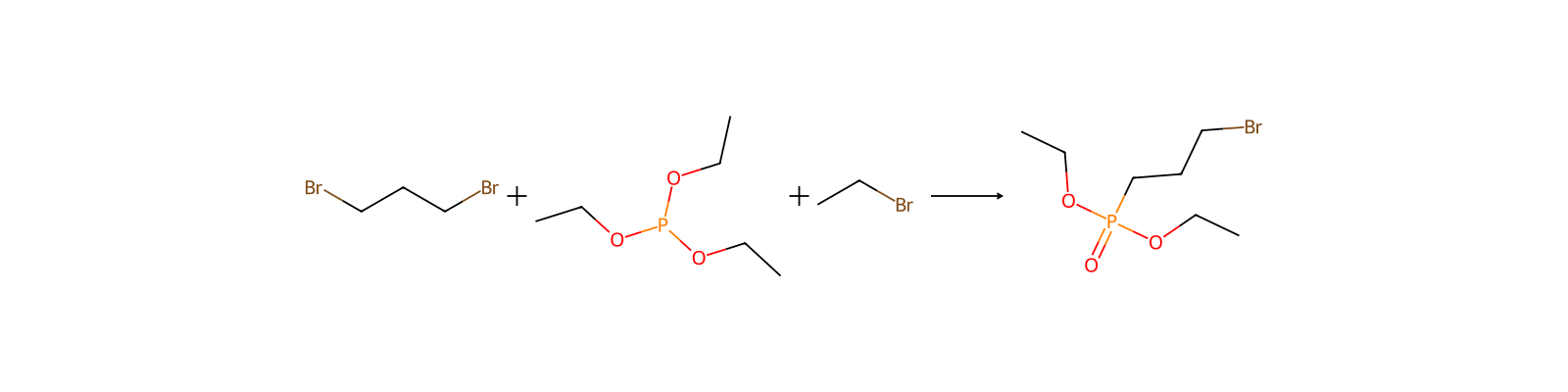
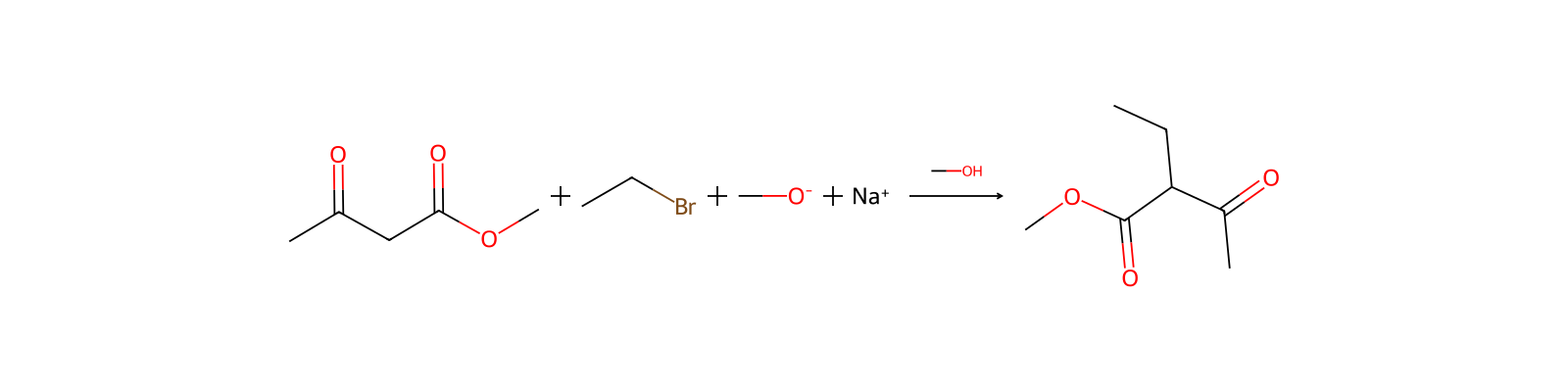
Ethylating agent in organic synthesis; as refrigerant.
Organic synthesis, ... refrigerant, solvent, grain and fruit fumigant.
The main commercial uses of ethyl bromide at present are as an ethylating agent & as a solvent in the chemical & pharmaceutical industries. Ethyl bromide has been used as a refrigerant. Human exposure to ethyl bromide has occurred during its use as an anesthetic, but widespread use for this purpose has been stopped.
Bromoethane is an industrial chemical.
U.S. Production
2023: 1,000,000 - <8,500,000 lb
(1972) PROBABLY GREATER THAN 4.54X10+5 GRAMS
(1975) PROBABLY GREATER THAN 1.36X10+6 GRAMS
Non-confidential 2016 Chemical Data Reporting (CDR) information on the production and use of chemicals manufactured or imported into the United States. Chemical: ethyl bromide:
Industry UsesNot Known or Reasonably Ascertainable
Methods of Manufacturing
Made by distilling from a mixture of HBr, ethyl alcohol and H2SO4; ... by phosphorus and bromine method.
... Ethyl bromide is produced by refluxing ethanol with hydrobromic acid, or with an alkali bromide and sulfuric acid. The reaction of ethane with sulfur trioxide and potassium bromide at 300-325 °C produces ethyl bromide with a 91% yield based on ethane.
Formulations/PreparationsGrade: Technical (98%)
General Manufacturing Information
Not Known or Reasonably Ascertainable
Ethane, bromo-: ACTIVE
Applications
DescriptionEthyl bromide is a colorless to yellow liquid that becomes a gas at temperatures above 101 °F (38 ℃). Ethyl bromide has an etherlike odor and a burning taste. Ethyl bromide is miscible with alcohols, ether, chloroform, and organic solvents; its water solubility is 9000 mg l-1 at 25 ℃. Ethyl bromide’s vapor density relative to air is 3.76.
UsesEthyl bromide is used as a refrigerant and asan ethylating agent. It was formerly used asa topical anesthetic.
UsesBromoethane is an alkylating agent primarily used as a chemical intermediate in organic synthesis, in the manufacture of pharmaceuticals, and for the ethylation of gasoline. To a lesser extent, it has been used as a fruit and grain fumigant, refrigerant, and solvent. Although proposed occasionally as a general anesthetic in the earlier part of this century, it has not been used to any extent for this purpose (Sayers et al., 1929; Abreu et al., 1939; ITII, 1979; Sittig, 1979; Torkelson and Rowe, 1981;Merck, 1983).
General DescriptionA colorless volatile liquid. Slightly soluble in water and denser than water. Flash point below 0°F. Vapors are heavier than air. Toxic by inhalation. Irritates skin and eyes. Used to make pharmaceuticals and as a solvent.
Preparation methods
PreparationBromoethane is produced by the reaction of either hydrogen or potassium bromide with cold ethanol or with ethylene and sulfuric acid (Hawley, 1977; Sittig, 1979; Merck, 1983). It is commercially available at greater than 99% purity. Production from two U.S. manufacturers was estimated at 163.5 million pounds in 1986 (CSITC, 1987); no recent import and export information was available in the literature.
Upstream & downstream products
Upstream raw materials
Downstream products
Suppliers50 total
国药集团化学试剂有限公司86-21-63210123 · [email protected]
梯希爱(上海)化成工业发展有限公司021-67121386 · [email protected]
河北创海生物科技有限公司+86-86-13131129325 · [email protected]
爱斯特(成都)生物制药股份有限公司+86-28-85122536 85324413 · [email protected]
南京兰亚化工贸易有限公司+86-25-8331-5620 · [email protected]
Hebei Yanxi Chemical Co., Ltd.+86-17531190177 · [email protected]
科瑞迪化学400-821-5857 021-64326257 · [email protected]
上海迈瑞尔生化科技有限公司4006356688 18621169109 · [email protected]
宁波亿诺化学品有限公司86-574-27787657 · [email protected]
阿法埃莎(中国)化学有限公司400-6106006 · [email protected]
安耐吉化学&3A(安徽泽升科技股份有限公司)400-0056266 · [email protected]
上海瀚鸿科技股份有限公司021-54306202 13764082696 · [email protected]
山东洛克化工有限公司17653113209 13065062079 · [email protected]
上海景颜化工科技有限公司13817811078 · [email protected]
嘉兴市艾森化工有限公司0573-85285100 18627885956 · [email protected]
合肥天健化工有限公司551-65418679 15856988503;15837135945 · [email protected]
上海忆嵘生物科技有限公司18049974220 · [email protected]
山东西亚化学有限公司13355009207 13355009207 · [email protected]
武汉盈邦医药有限公司+86-13296627870; +86-13971566811 · [email protected]
玛雅试剂+86 (573) 82222445 (0)18006601000 452520369 · [email protected]
四川库利南科技有限公司400-1166-196 18981987031 · [email protected]
南京维奥化工有限公司Please Send Email 18652950785 · [email protected]
寿光诺盟化工有限公司0536-5399456 13869682027 · [email protected]
斯百全化学(上海)有限公司021-021-021-67601398-809-809-809 15221380277 · [email protected]
艾科试剂4008-755-333 18080918076 · [email protected]
上海思域化工科技有限公司86-21-34053660 · [email protected]
赛默飞世尔科技(中国)有限公司800-810-5118 · [email protected]
江苏艾康生物医药研发有限公司025-66113011 13913916777 · [email protected]
TCI AMERICA800-4238616 · [email protected]
TOKYO CHEMICAL INDUSTRY CO., LTD.03-36680489 · [email protected]
TCI Europe320-37350700 · [email protected]
上海乐晨国际贸易有限公司021-67256163 · [email protected]
北京环宇世纪化学科技有限公司hysj_bj.com
上海湄水化工科技有限公司021-60549325 18616193163
安徽科迪达化工有限公司0554-2106669 · [email protected]
HBCChem, Inc.+1-510-219-6317 · [email protected]
成都迈斯克医药科技有限公司028-84552636 18084815636 · [email protected]
日照力德士化工有限公司010-51268198 · [email protected]
青岛德达志成化工有限公司18766299236 · [email protected]
上海石洋化工有限公司021-56795766 · [email protected]
上海爱蝶实业有限公司021-58957966 18930537195 · [email protected]
成都零六生物科技有限公司400-1166-196 13458535857 · [email protected]
广拓化学(上海)有限公司021-60899189-8001 18918189673 · [email protected]
上海御略医药科技有限公司021-60345187 13671753212 · [email protected]
上海麦克林生化科技股份有限公司15221275939 15221275939 · [email protected]
杭州杰恒化工有限公司0571-87396432 · [email protected]
上海嵩爰化工科技有限公司010-1234567 18521000990 · [email protected]
上海有朋化工有限公司021-69005955 13701776567 · [email protected]
上海凯赛化工有限公司021-33516722 13701817765 · [email protected]
上海彤源化工有限公司021-021-69182866 13701855675 · [email protected]
Additional notes
DefinitionChEBI: Bromoethane is a bromoalkane that is ethane carrying a bromo substituent. It is an alkylating agent used as a chemical intermediate in various organic syntheses. It has a role as a carcinogenic agent, a solvent, a refrigerant, a local anaesthetic and an alkylating agent. It is a bromoalkane, a bromohydrocarbon and a volatile organic compound.
Related reactions
1,513 records




Linked notes
Loading…