Reaction equation

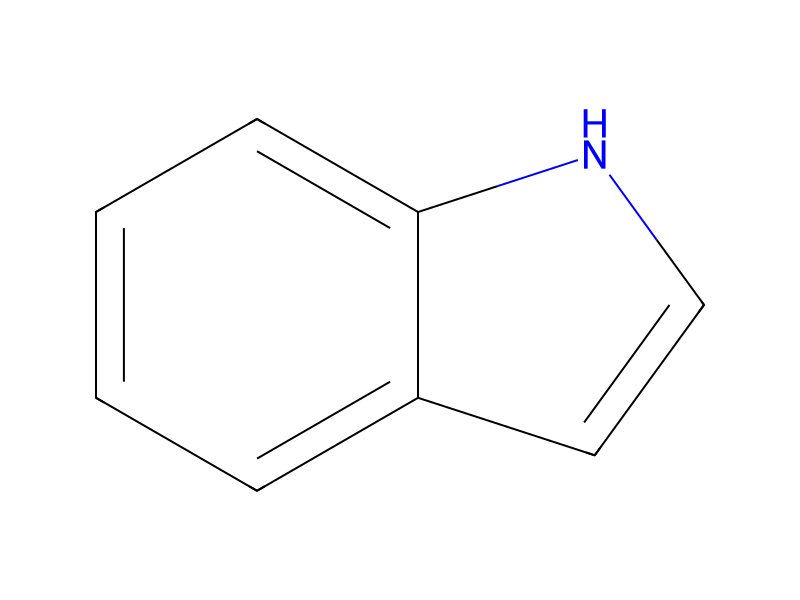
Cl[CH2:2]/[CH:3]=[C:4]1/[C:5]2[CH:18]=[C:17]([C:19]([O:21][CH3:22])=[O:20])[CH:16]=[CH:15][C:6]=2[O:7][CH2:8][C:9]2[CH:14]=[CH:13][CH:12]=[CH:11][C:10]/1=2.[N:23]1[C:27]2[CH:28]=[CH:29][CH:30]=[CH:31][C:26]=2[NH:25][CH:24]=1.N1C2C(=CC=CC=2)C=C1>>[N:25]1([CH2:2]/[CH:3]=[C:4]2/[C:5]3[CH:18]=[C:17]([C:19]([O:21][CH3:22])=[O:20])[CH:16]=[CH:15][C:6]=3[O:7][CH2:8][C:9]3[CH:14]=[CH:13][CH:12]=[CH:11][C:10]/2=3)[C:24]2[C:30](=[CH:29][CH:28]=[CH:27][N:23]=2)[CH:31]=[CH:26]1Participants
4


Procedure
In Examples 40 through 49, the products were prepared in a manner similar to Example 23, using Compound h and the corresponding benzimidazole or indole derivatives.
Workup
- customIn Examples 40 through 49, the products were prepared in a manner similar to Example 23
Sources & evidence
- ORD record
- ord-abd88e9870994f9987e44ab2420759dc
- Source dataset
- uspto-grants-1991_03
- Patent number
- US04999363
Linked notes
Loading…