Reaction equation

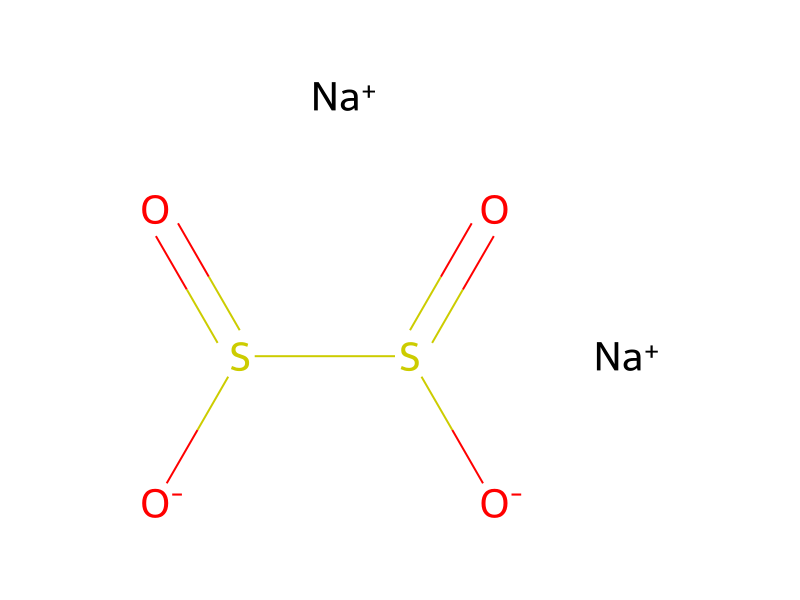
[CH2:1]([N:4]1[C:11]([NH2:12])=[C:10]([N:13]=O)[C:8](=[O:9])[N:7]([CH2:15][CH2:16][CH3:17])[C:5]1=[O:6])[CH2:2][CH3:3].[OH-].[NH4+].S(S([O-])=O)([O-])=O.[Na+].[Na+]>O>[CH2:1]([N:4]1[C:11]([NH2:12])=[C:10]([NH2:13])[C:8](=[O:9])[N:7]([CH2:15][CH2:16][CH3:17])[C:5]1=[O:6])[CH2:2][CH3:3]Participants
5




Procedure
The 1,3-di-n-propyl-5-nitroso-6-aminouracil (61.6 g) was suspended in 1 L of water, and the suspension was made alkaline to pH 11 with 50% ammonium hydroxide and treated with 100 g of sodium dithionite, in portions, until the purple color faded. The aqueous mixture was extracted with chloroform (8×200 ml), dried over magnesium sulfate, filtered and concentrated. The residue was purified by flash chromatography (5/10% methanol/chloroform) and recrystallized from 10% isopropanol in hexane and recrystallized from 10% isopropanol to yield 37.29 g of 1,3-di-n-propyl-5,6-diaminouracil, m.p., 127°-128° C.
Workup
- extractionThe aqueous mixture was extracted with chloroform (8×200 ml)
- dry with materialdried over magnesium sulfate
- filtrationfiltered
- concentrationconcentrated
- customThe residue was purified by flash chromatography (5/10% methanol/chloroform)
- customrecrystallized from 10% isopropanol in hexane
- customrecrystallized from 10% isopropanol
Sources & evidence
- ORD record
- ord-7844fca8b36648daa76fa1325c5434bd
- Source dataset
- uspto-grants-1998_03
- Patent number
- US05734052
Linked notes
Loading…