Water → 19-Methoxyandrost-4-ene-3,17-dione
Reaction equation

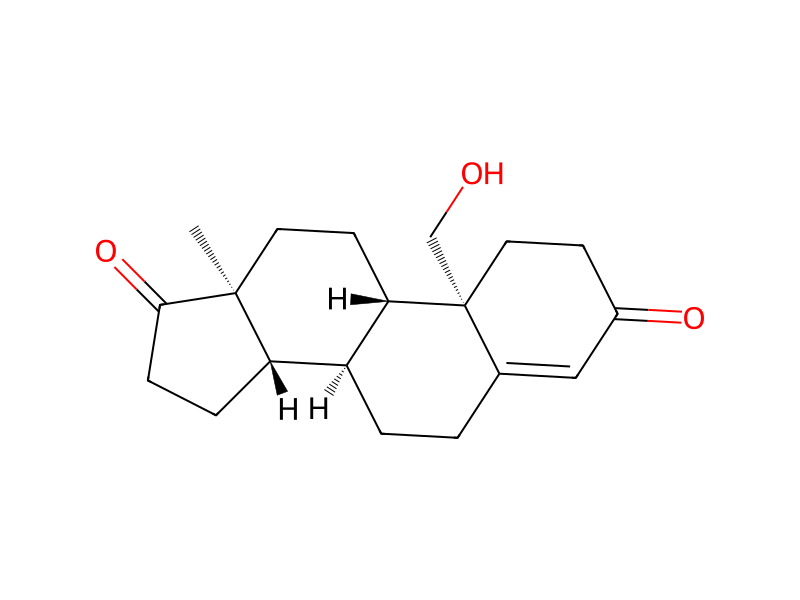
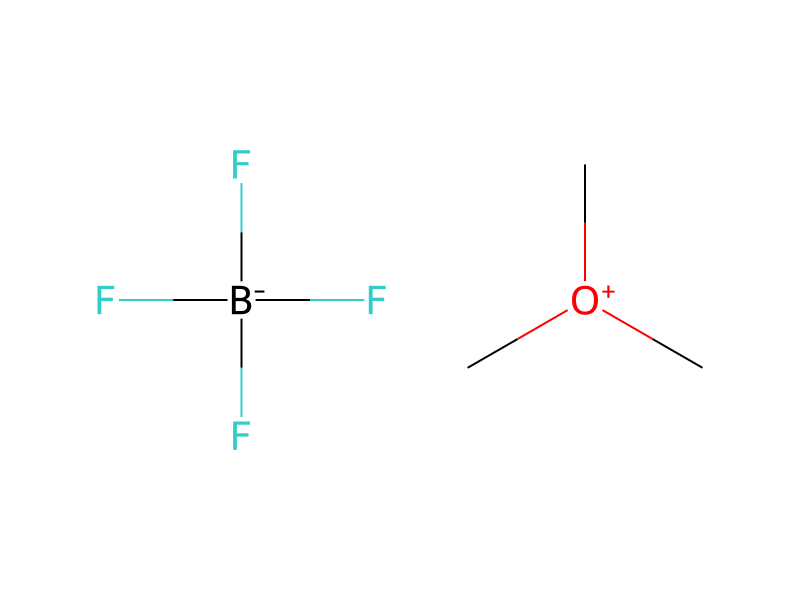
[OH:1][CH2:2][C@@:3]12[C@@H:20]3[C@H:11]([C@H:12]4[C@@:16]([CH2:18][CH2:19]3)([CH3:17])[C:15](=[O:21])[CH2:14][CH2:13]4)[CH2:10][CH2:9][C:8]1=[CH:7][C:6](=[O:22])[CH2:5][CH2:4]2.F[B-](F)(F)F.[CH3:28][O+](C)C.O>C(Cl)Cl>[CH3:28][O:1][CH2:2][C@@:3]12[C@@H:20]3[C@H:11]([C@H:12]4[C@@:16]([CH2:18][CH2:19]3)([CH3:17])[C:15](=[O:21])[CH2:14][CH2:13]4)[CH2:10][CH2:9][C:8]1=[CH:7][C:6](=[O:22])[CH2:5][CH2:4]2Participants
5
Reactant 3

Product 1

Reagents, catalysts & solvents 1

Procedure
19-Hydroxyandrost-4-ene-3,17-dione is dissolved in methylenechloride and trimethyloxonium fluoroborate added. After stirring at room temperature for a period of two hours, water is added to the reaction mixture, the organic layer is separated, dried over magnesium sulfate and the solvent removed under vacuum. The residue is crystallized from an acetone-hexane solution to yield the desired 19-methoxyandrost-4-ene-3,17-dione.