HomeMCPSkillsWorkbenchOpenChem
HomeWorkbenchNotificationsMe
llms.txt · skill.md · MCP GuidePrivacy Policy · Terms of Service · Supportv1.8.4
  1. Home
  2. /Reaction

Acetic Anhydride → N-(1-Methyl-1H-pyrrol-2-yl)acetamide

HRID 372018
Print

Reaction equation

[CH3:1][N:2]1[CH:6]=[CH:5][CH:4]=[C:3]1[N+:7]([O-])=O.[H][H].[C:12](OC(=O)C)(=[O:14])[CH3:13]>C(N(CC)CC)C.[Pt]=O>[CH3:1][N:2]1[CH:6]=[CH:5][CH:4]=[C:3]1[NH:7][C:12](=[O:14])[CH3:13]
ParticipantsProcedureWorkupSources & evidenceReaction notes

Participants

6

Reactant 3

HCID 7918Acetic AnhydrideHCID 3321331-Methyl-2-nitropyrroleHCID 178418361HCID 178418361, compound

Product 1

HCID 14489757N-(1-Methyl-1H-pyrrol-2-yl)acetamide

Reagents, catalysts & solvents 2

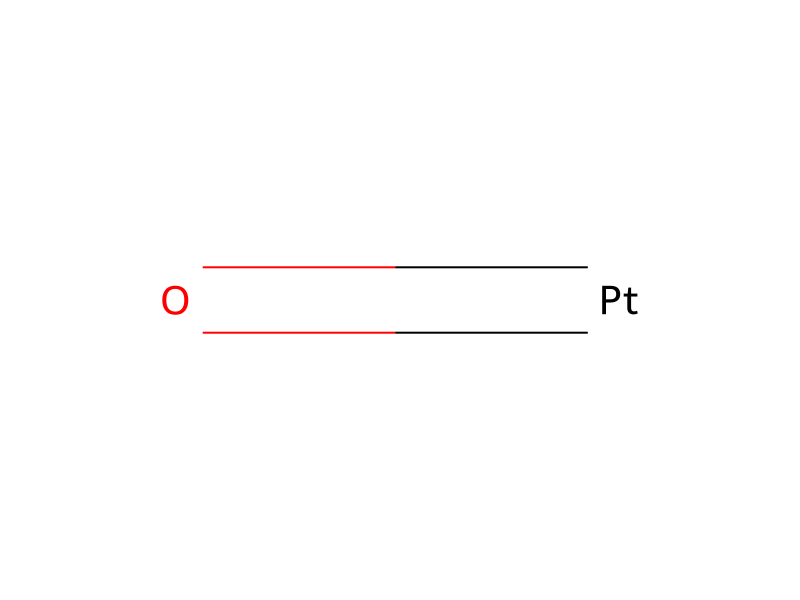
HCID 82844Platinum oxide (PtO)CatalystHCID 8471
Triethylamine
Solvent

Procedure

1-Methyl-2-nitropyrrole (15.0 g, 0.1189 mol) in acetic anhydride (60 ml) and triethylamine (150 ml) was hydrogenated over platinum oxide (1.50 g) at room temperature and pressure. The reaction was halted when 3.3 equivalents of hydrogen had been taken up. The catalyst was filtered off and the filtrate evaporated in vacuo to leave a dark oil (18.1 g). This was chromatographed on a silica column using 10% ethyl acetate/ether as solvent to give a clear oil (8.7 g) which discoloured rapidly on exposure to light and/or air. This was then distilled under vacuum to give a colourless oil (7.20 g) (44%). b.p. (airbath) 130° C/0.15 mm. The mass spectrum showed a mass ion at 138 and infra-red and proton magnetic resonance spectra also supported the structure.


Workup

  1. filtrationThe catalyst was filtered off
  2. customthe filtrate evaporated in vacuo

Sources & evidence

ORD record
ord-0018b29486ce46eeaff0edef36682b34
Source dataset
uspto-grants-1978_05
DOI
10.6084/m9.figshare.5104873.v1
Patent number
US04088773

Reaction notes

On this pageParticipantsProcedureWorkupSources & evidenceReaction notes