Reaction equation
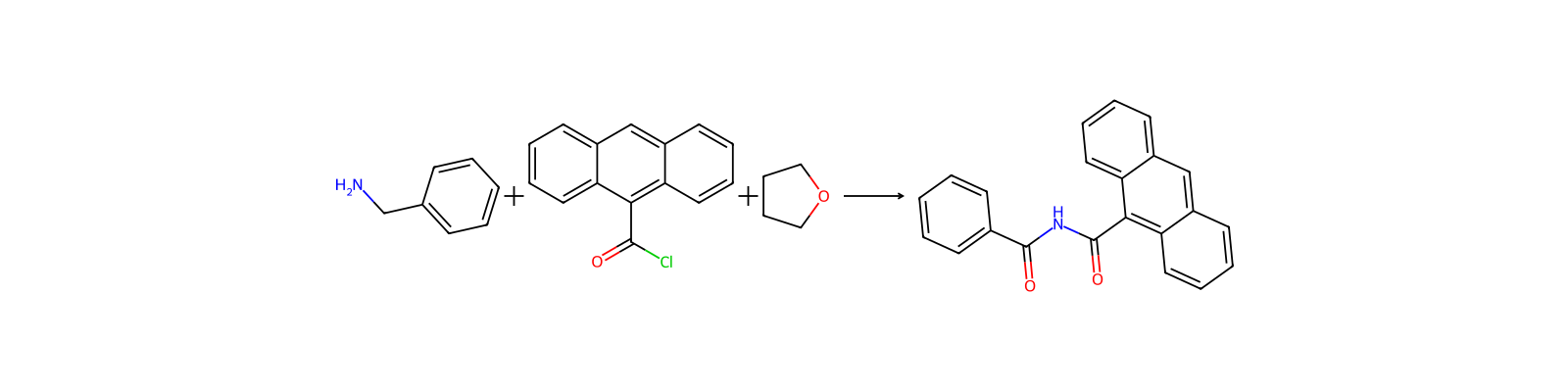
[CH2:1]([NH2:8])[C:2]1[CH:7]=[CH:6][CH:5]=[CH:4][CH:3]=1.[CH:9]1[C:22]2[C:13](=[CH:14][C:15]3[C:20]([C:21]=2[C:23](Cl)=[O:24])=[CH:19][CH:18]=[CH:17][CH:16]=3)[CH:12]=[CH:11][CH:10]=1.[O:26]1CCCC1>>[C:1]([NH:8][C:23]([C:21]1[C:22]2[C:13]([CH:14]=[C:15]3[C:20]=1[CH:19]=[CH:18][CH:17]=[CH:16]3)=[CH:12][CH:11]=[CH:10][CH:9]=2)=[O:24])(=[O:26])[C:2]1[CH:7]=[CH:6][CH:5]=[CH:4][CH:3]=1Participants


Procedure
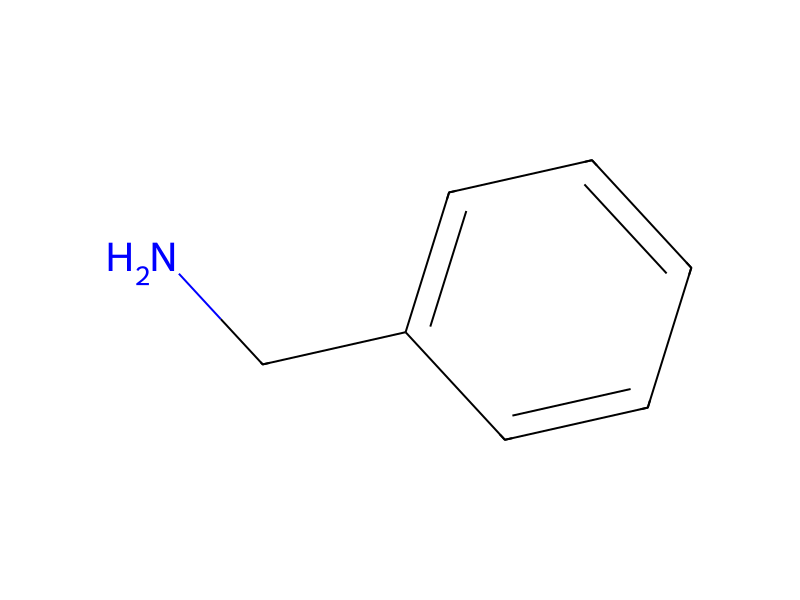
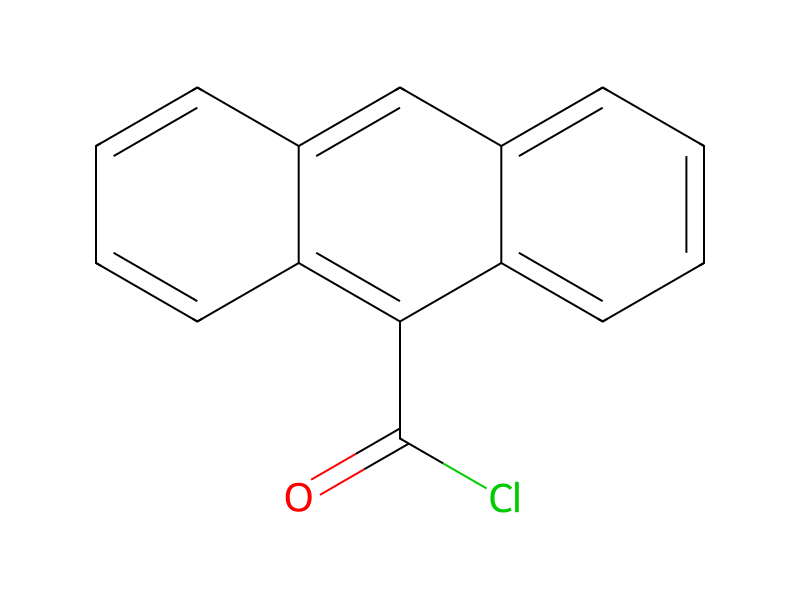
To a mixture of 30 ml of benzylamine and 60 ml of tetrahydrofuran is added dropwise with cooling, a solution of 9.86 g of 9-anthroyl chloride in 30 ml of tetrahydrofuran. After stirring at room temperature overnight, the mixture is concentrated, and the residue is dissolved in methylene chloride. The solution is washed with dilute acid and dilute base, dried, and concentrated to give 12.45 g of crude N-benzoyl-9-anthramide. The product is added to a slurry of 2.50 g of sodium hydride (50% in oil, previously washed with hexane) in 80 ml of tetrahydrofuran and the mixture is heated to reflux for 30 min and cooled. Propargyl bromide (6.0 g) in 10 ml of tetrahydrofuran is added, and the reaction mixture is heated under reflux for 2 hours. Water and methylene chloride are added; the layers are separated, and the dried organic layer is concentrated. The residue (crude N-benzyl-N-propargyl-9-anthramide) is heated under reflux with 100 ml of p-xylene for 2.5 hr. On cooling, 9.81 g of 2-benzyl-3,5-dihydro-5,9b-o-benzenobenz [e]isoindol-1-(2H)-one precipitates.
Workup
- additionis added dropwise
- temperaturewith cooling
- concentrationthe mixture is concentrated
- dissolutionthe residue is dissolved in methylene chloride
- washThe solution is washed
- additionwith dilute acid
- additiondilute base
- customdried
- concentrationconcentrated
Sources & evidence
- ORD record
- ord-e93bc74008074d3faa8312f00ac6bc9d
- Source dataset
- uspto-grants-1978_05
- Patent number
- US04088772
Linked notes
Loading…