Raloxifene → [6-(N-(n-butyl)carbamoyl]-2-[4-(N-(n-butyl)carbamoyl)phenyl]benzo[b]thien-3-yl][4-[2-(1-piperidinyl)ethoxy]phenyl] methanone
Reaction equation

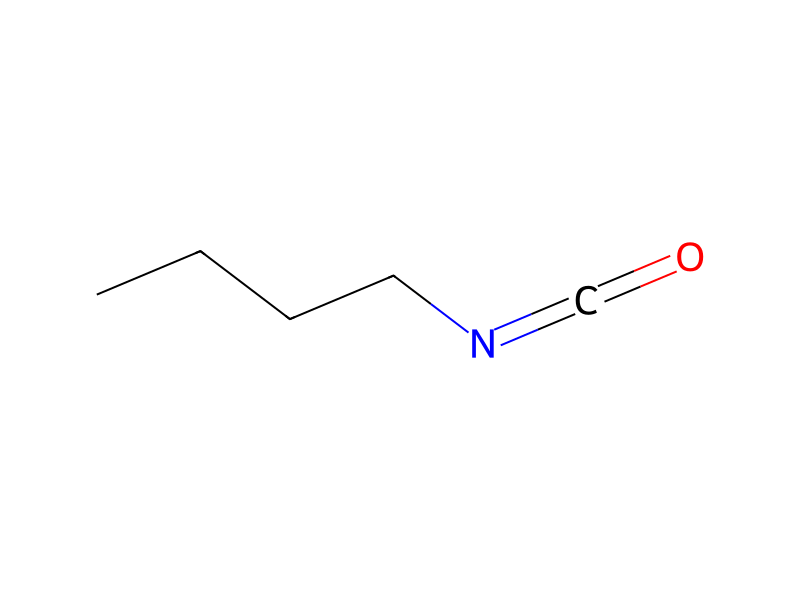
O[C:2]1[CH:3]=[CH:4][C:5]2[C:9]([C:10]([C:12]3[CH:17]=[CH:16][C:15]([O:18][CH2:19][CH2:20][N:21]4[CH2:26][CH2:25][CH2:24][CH2:23][CH2:22]4)=[CH:14][CH:13]=3)=[O:11])=[C:8]([C:27]3[CH:32]=[CH:31][C:30](O)=[CH:29][CH:28]=3)[S:7][C:6]=2[CH:34]=1.[CH2:35]([N:39]=[C:40]=[O:41])[CH2:36][CH2:37][CH3:38]>C1COCC1>[CH2:35]([NH:39][C:40]([C:2]1[CH:3]=[CH:4][C:5]2[C:9]([C:10]([C:12]3[CH:17]=[CH:16][C:15]([O:18][CH2:19][CH2:20][N:21]4[CH2:26][CH2:25][CH2:24][CH2:23][CH2:22]4)=[CH:14][CH:13]=3)=[O:11])=[C:8]([C:27]3[CH:32]=[CH:31][C:30]([C:40](=[O:41])[NH:39][CH2:35][CH2:36][CH2:37][CH3:38])=[CH:29][CH:28]=3)[S:7][C:6]=2[CH:34]=1)=[O:41])[CH2:36][CH2:37][CH3:38]Participants
4



Procedure
4.47 g (9 mmol) of [6-hydroxy-2-(4-hydroxyphenyl)benzo[b]thien-3-yl][4-[2-(1-piperidinyl)ethoxy]phenyl]methanone was dissolved in 250 mL of THF and 4 g (40 mmol) of n-butylisocyanate was added. The reaction mixture, at room temperature and under nitrogen, was allowed to react for 72 hours. The reaction mixture had evaporated by the end of this time and the residue was dissolved in a minimal amount of CHCl3. This solution was chromatographed (HPLC) on a silica gel column, eluted with a linear gradient of CHCl3 to CHCl3 --MeOH (19:1) to afford 4.87 g of the title compound as a tan amorphous powder.