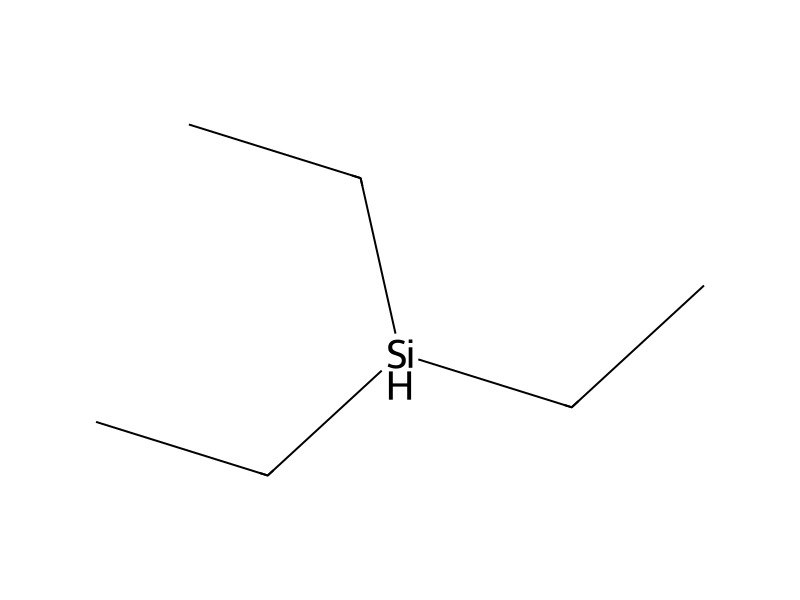
[Cl:1][C:2]1[CH:11]=[C:10]([Cl:12])[CH:9]=[C:8]2[C:3]=1[C:4](=O)[N:5]1[CH2:17][CH2:16][CH2:15][CH2:14][CH2:13][C:6]1=[N:7]2.C(Cl)(Cl)Cl.CO.N>C([SiH](CC)CC)C.[Cl-].[Zn+2].[Cl-]>[ClH:1].[Cl:1][C:2]1[CH:11]=[C:10]([Cl:12])[CH:9]=[C:8]2[C:3]=1[CH2:4][N:5]1[CH2:17][CH2:16][CH2:15][CH2:14][CH2:13][C:6]1=[N:7]2To a solution of 1 g of 1,3-dichloro-7,8,9,10-tetrahydroazepino[2,1-b]quinazolin-12(6H)-one in 15 mL of triethylsilane was added 8 g of anhydrous zinc chloride and the mixture was refluxed under nitrogen with vigorous stirring. The triethylsilane was replenished in about 8-hour intervals. When the reaction was judged complete by TLC (300:25:1 chloroform:methanol: 28% aqueous ammonia, basified aliquot) the excess of triethylsilane and other volatiles were removed in vacuo and the residue was purified and worked-up as in Method A to give the desired 1,3-dichloro-6,7,8,9,10,12-hexahydroazepino[2,1-b]quinazoline hydrochloride as white crystalline solid.
Loading…