Reaction equation

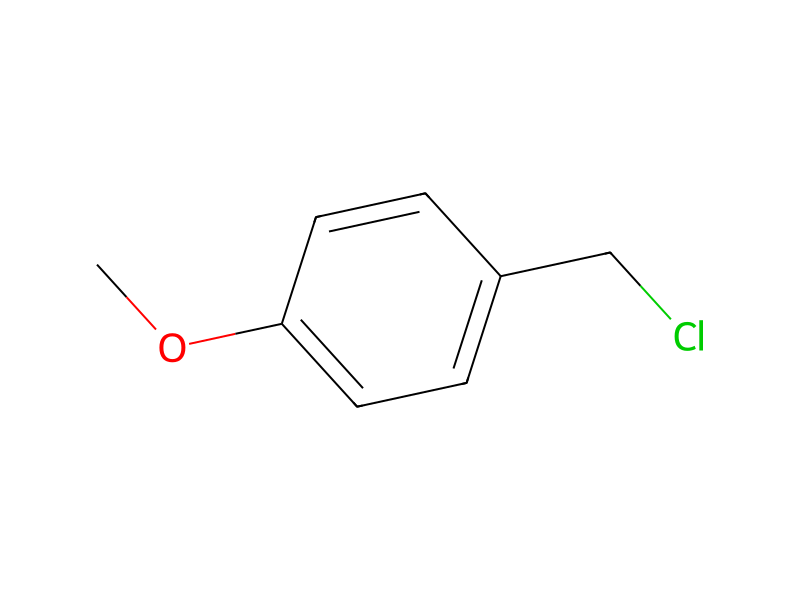
[CH3:1][C:2]1([CH3:14])[C:6]([CH3:8])([CH3:7])[O:5][B:4]([C:9]2[CH:10]=[N:11][NH:12][CH:13]=2)[O:3]1.Cl[CH2:16][C:17]1[CH:22]=[CH:21][C:20]([O:23][CH3:24])=[CH:19][CH:18]=1.C([O-])([O-])=O.[K+].[K+].O>C(#N)C>[CH3:24][O:23][C:20]1[CH:21]=[CH:22][C:17]([CH2:16][N:12]2[CH:13]=[C:9]([B:4]3[O:5][C:6]([CH3:7])([CH3:8])[C:2]([CH3:14])([CH3:1])[O:3]3)[CH:10]=[N:11]2)=[CH:18][CH:19]=1Participants
6
Reactant 4



Product 1

Reagents, catalysts & solvents 1

Conditions
- Temperature
- 80 °C
Procedure
According to Scheme 13 Step 1: A suspension of 4-(4,4,5,5-tetramethyl-1,3,2-dioxaborolan-2-yl)-1H-pyrazole (7.38 mmol, 1.43 g), 1-(chloromethyl)-4-methoxybenzene (7.38 mmol, 1.00 mL) and K2CO3 (7.38 mmol, 1.02 g) in acetonitrile (10 mL) was heated at 80° C. for 5 hours. Water was added and the aqueous phase was extracted with DCM. The organic phase was dried over Na2SO4, was filtered and was concentrated under reduced pressure to afford 1-(4-methoxybenzyl)-4-(4,4,5,5-tetramethyl-1,3,2-dioxaborolan-2-yl)-1H-pyrazole (6.68 mmol, 2.10 g, 91%) as a yellow oil.
Workup
- extractionthe aqueous phase was extracted with DCM
- dry with materialThe organic phase was dried over Na2SO4
- filtrationwas filtered
- concentrationwas concentrated under reduced pressure
Sources & evidence
- ORD record
- ord-9f37a4b9f51f466a9179e8405e328ece
- Source dataset
- uspto-grants-2013_09
- Patent number
- US08524718B2
Linked notes
Loading…