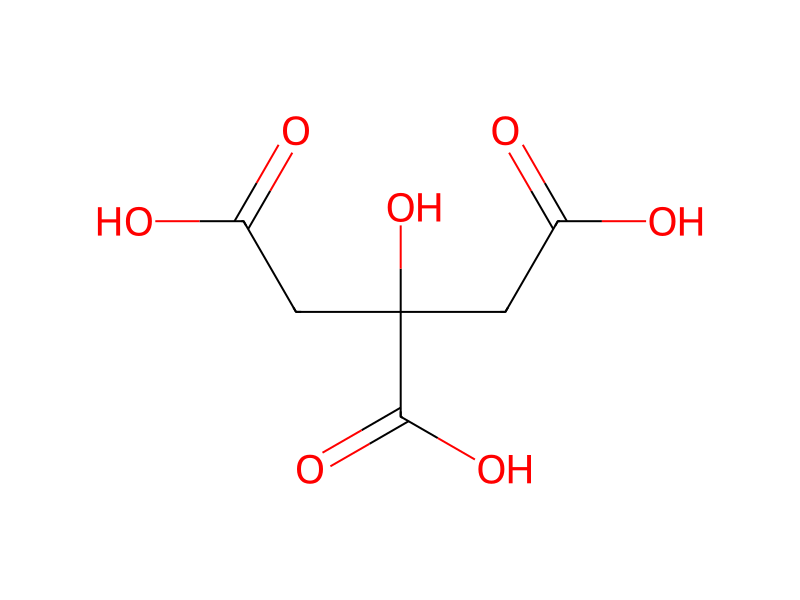
[O:1]([C:8]1[N:13]=[C:12]([CH2:14][O:15][C:16]2[CH:21]=[CH:20][C:19]([CH:22]=[CH:23][C:24]([O:26]CC)=O)=[CH:18][CH:17]=2)[CH:11]=[CH:10][CH:9]=1)[C:2]1[CH:7]=[CH:6][CH:5]=[CH:4][CH:3]=1.C(O)(=O)CC(CC(O)=O)(C(O)=O)O.[NH2:42][OH:43]>C(O)C.[OH-].[Na+]>[O:1]([C:8]1[N:13]=[C:12]([CH2:14][O:15][C:16]2[CH:21]=[CH:20][C:19]([C:22]3[O:43][N:42]=[C:24]([OH:26])[CH:23]=3)=[CH:18][CH:17]=2)[CH:11]=[CH:10][CH:9]=1)[C:2]1[CH:7]=[CH:6][CH:5]=[CH:4][CH:3]=1To a solution of ethyl 3-(4-((6-phenoxypyridin-2-yl)methoxy)phenyl)prop-2-enoate (20.2 mg) in ethanol (1 ml), 0.05 ml of 50% aqueous hydroxylamine solution and 0.03 ml of 2N aqueous sodium hydroxide were added, and the reaction solution was stirred overnight at room temperature. The reaction solution was acidified with 10% aqueous citric acid, then extracted with chloroform, and dried over anhydrous magnesium sulfate. The solvent was distilled off under reduced pressure, and residue obtained was purified by preparative thin layer chromatography (Kieselgel™ 60 F254, Art5744, made by Merck & Co., chloroform/methanol (8:1)) to afford the title compound as a white solid.