HomeMCPWorkbenchSkills
HomeWorkbenchNotificationsMe
llms.txt · MCP GuidePrivacy Policy · Terms of Service · Supportv1.8.3
  1. Home
  2. /Reaction

Methyl morpholine oxide → 2-Bromo-5-(trifluoromethyl)benzaldehyde

HRID 38702
Print

Reaction equation

HRID 38702 reaction equation
[Br:1][C:2]1[CH:9]=[CH:8][C:7]([C:10]([F:13])([F:12])[F:11])=[CH:6][C:3]=1[CH2:4][OH:5].C[N+]1([O-])CCOCC1>C(Cl)Cl.CC#N.[Ru]([O-])(=O)(=O)=O.C([N+](CCC)(CCC)CCC)CC>[Br:1][C:2]1[CH:9]=[CH:8][C:7]([C:10]([F:11])([F:12])[F:13])=[CH:6][C:3]=1[CH:4]=[O:5]
ParticipantsProcedureWorkupSources & evidenceReaction notes

Participants

6

Reactant 2

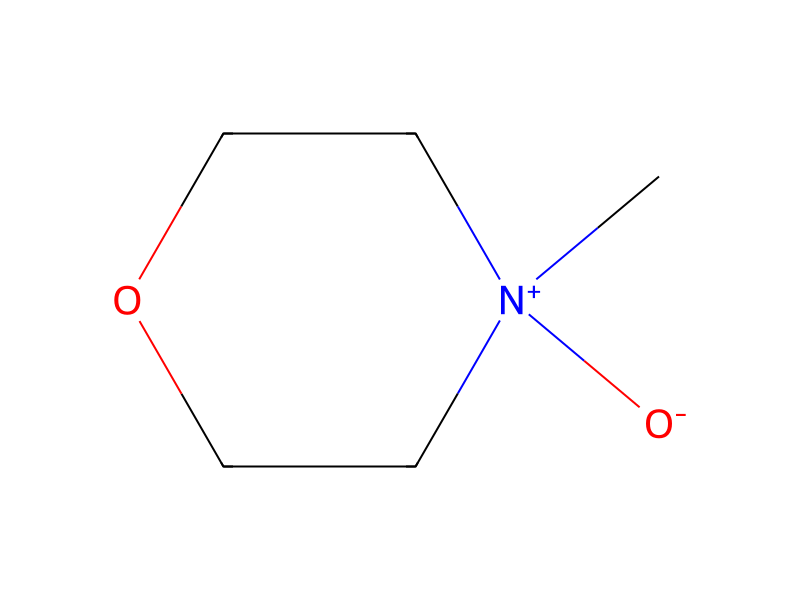
HCID 82029Methyl morpholine oxideHCID 27562482-Bromo-5-(trifluoromethyl)benzyl alcohol

Product 1

HCID 70180472-Bromo-5-(trifluoromethyl)benzaldehyde

Reagents, catalysts & solvents 3

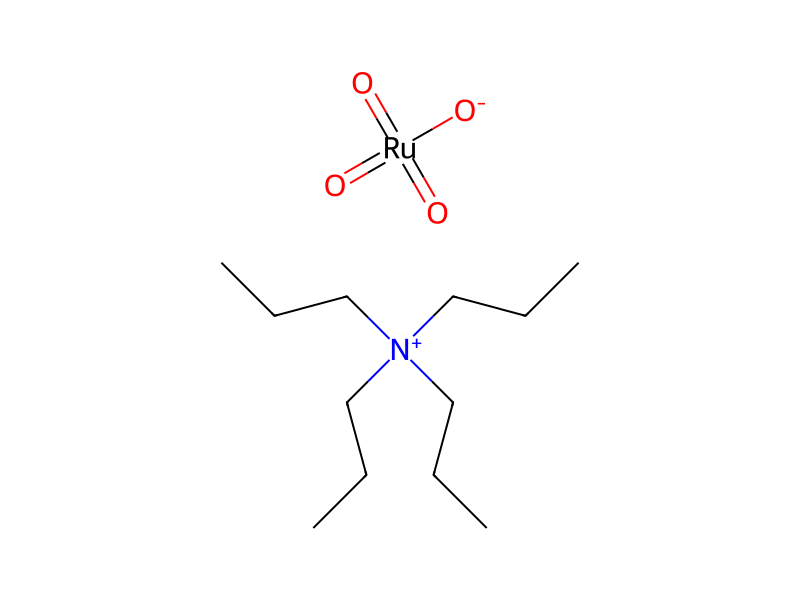
HCID 178419074HCID 178419074, compoundCatalystHCID 6342AcetonitrileSolvent
HCID 6344
Dichloromethane
Solvent

Procedure

2-Bromo-5-(trifluoromethyl)benzyl alcohol (2.216 g, 8.69 mmol) and N-methylmorpholine-N-oxide (2.051 g, 17.38 mmol) were combined in CH2Cl2 (44 mL) and MeCN (2.2 mL). Tetrapropylammonium perruthenate (0.311 g, 0.87 mmol) was added, and the reaction was stirred for 20 minutes at room temperature. Once no starting material was seen by analytical tlc, the mixture was concentrated, and the residue was purified by silica gel chromatography to give the title compound.

Workup

  1. concentrationthe mixture was concentrated
  2. customthe residue was purified by silica gel chromatography

Sources & evidence

ORD record
ord-3b24e4b4e1b945c3aacdfacc4a0d6bd9
Source dataset
uspto-grants-2013_09
DOI
10.6084/m9.figshare.5104873.v1
Patent number
US08524748B2

Reaction notes

On this pageParticipantsProcedureWorkupSources & evidenceReaction notes