HomeMCPWorkbenchSkills
HomeWorkbenchNotificationsMe
llms.txt · MCP GuidePrivacy Policy · Terms of Service · Supportv1.8.3
  1. Home
  2. /Reaction

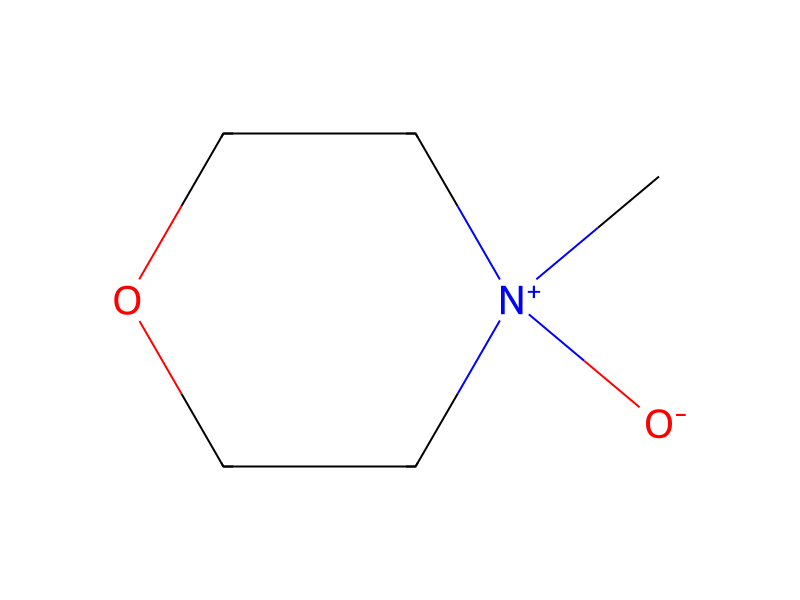
Methyl morpholine oxide → (2s,5r)-2-((1r,3Ar,4s,7ar)-4-{[tert-butyl(dimethyl)silyl]oxy}-7a-methyloctahydro-1h-inden-1-yl)-5,6-dimethyl-6-[(trimethylsilyl)oxy]heptan-3-ol

HRID 388733
Print

Reaction equation

HRID 388733 reaction equation
[Si:1]([O:8][C@H:9]1[CH2:17][CH2:16][CH2:15][C@@:14]2([CH3:18])[C@H:10]1[CH2:11][CH2:12][C@@H:13]2[C@H:19]([CH3:22])[CH2:20][OH:21])([C:4]([CH3:7])([CH3:6])[CH3:5])([CH3:3])[CH3:2].C[N+]1([O-])CCOCC1.[CH3:31][Si:32]([CH3:50])([CH3:49])[O:33][C:34]([CH3:48])([CH3:47])[C@H:35]([CH3:46])[CH2:36]S(C1C=CC=CC=1)(=O)=O>ClCCl.[Ru]([O-])(=O)(=O)=O.C([N+](CCC)(CCC)CCC)CC>[Si:1]([O:8][C@H:9]1[CH2:17][CH2:16][CH2:15][C@@:14]2([CH3:18])[C@H:10]1[CH2:11][CH2:12][C@@H:13]2[C@@H:19]([CH:20]([OH:21])[CH2:36][C@@H:35]([CH3:46])[C:34]([CH3:48])([O:33][Si:32]([CH3:50])([CH3:31])[CH3:49])[CH3:47])[CH3:22])([C:4]([CH3:7])([CH3:6])[CH3:5])([CH3:3])[CH3:2]
ParticipantsProcedureWorkupSources & evidenceReaction notes

Participants

6

Reactant 3

HCID 82029Methyl morpholine oxideHCID 15230899(S)-2-((1R,3aR,4S,7aR)-4-((tert-butyldimethylsilyl)oxy)-7a-methyloctahydro-1H-inden-1-yl)propan-1-olHCID 68938726Trimethyl{[(2s)-1,1,2-trimethyl-3-(phenylsulfonyl)propyl]oxy}silane

Product 1

HCID 68937095(2s,5r)-2-((1r,3Ar,4s,7ar)-4-{[tert-butyl(dimethyl)silyl]oxy}-7a-methyloctahydro-1h-inden-1-yl)-5,6-dimethyl-6-[(trimethylsilyl)oxy]heptan-3-ol

Reagents, catalysts & solvents 2

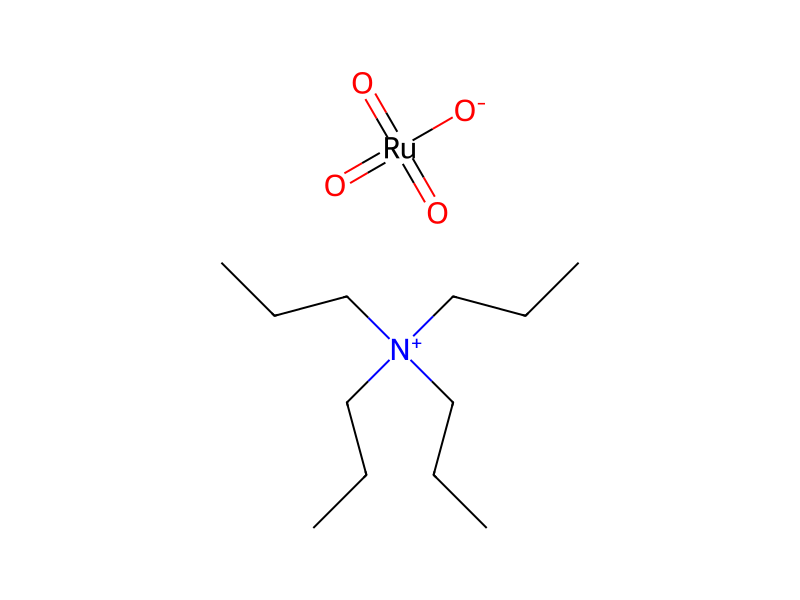
HCID 178419074HCID 178419074, compoundCatalystHCID 6344DichloromethaneSolvent

Procedure

The compound of Example 10E (200 mg, 0.61 mmol) was dissolved in 2 mL of dichloromethane; 100 mg of 4 Å molecular sieves were added, followed by 15 mg of tetrapropylammonium perruthenate and 75 mg of 4-methylmorpholine N-oxide. The mixture was stirred for 2 hours at ambient temperature, and then filtered through diatomaceous earth to removed solids. The crude product was purified by silica gel chromatography using an Analogix IntelliFlash™ 40, eluting with a gradient of 5% to 30% ethyl acetate in hexanes. The compound of Example 10C (200 mg, 0.63 mmol) was combined with this aldehyde according to the coupling procedure described by Kutner et al. in J. Org. Chem. 1988, 53, 3450-3457. The named product, the result of desulfurization without elimination, was isolated after chromatographic purification using an Analogix Intelliflash 280™, eluting with a gradient of 0% to 50% ethyl acetate in hexanes.

Workup

  1. addition100 mg of 4 Å molecular sieves were added
  2. filtrationfiltered through diatomaceous earth
  3. customto removed solids
  4. customThe crude product was purified by silica gel chromatography
  5. washeluting with a gradient of 5% to 30% ethyl acetate in hexanes
  6. customThe named product, the result of desulfurization without elimination
  7. customwas isolated
  8. customafter chromatographic purification
  9. washeluting with a gradient of 0% to 50% ethyl acetate in hexanes

Sources & evidence

ORD record
ord-f868793635d34e4aa7c2ef1e891aa1b1
Source dataset
uspto-grants-2013_02
DOI
10.6084/m9.figshare.5104873.v1
Patent number
US08377913B2

Reaction notes

On this pageParticipantsProcedureWorkupSources & evidenceReaction notes