Reaction equation

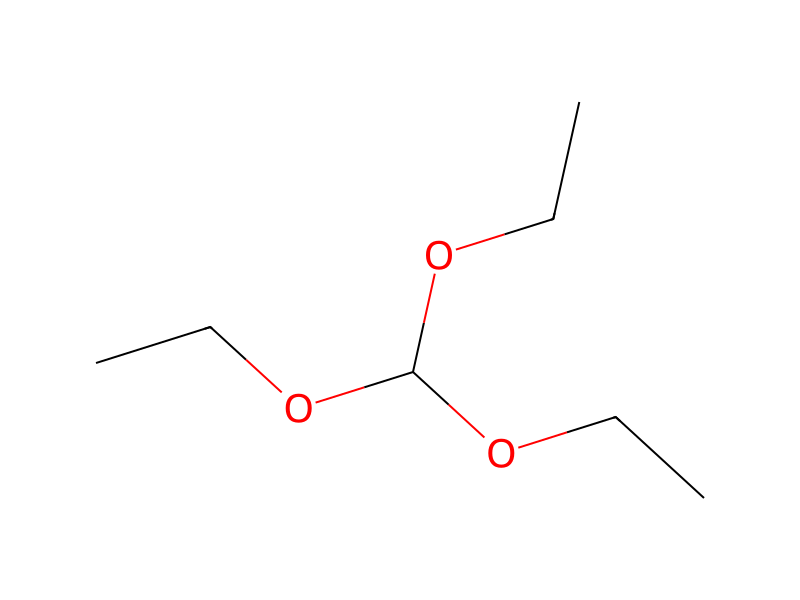
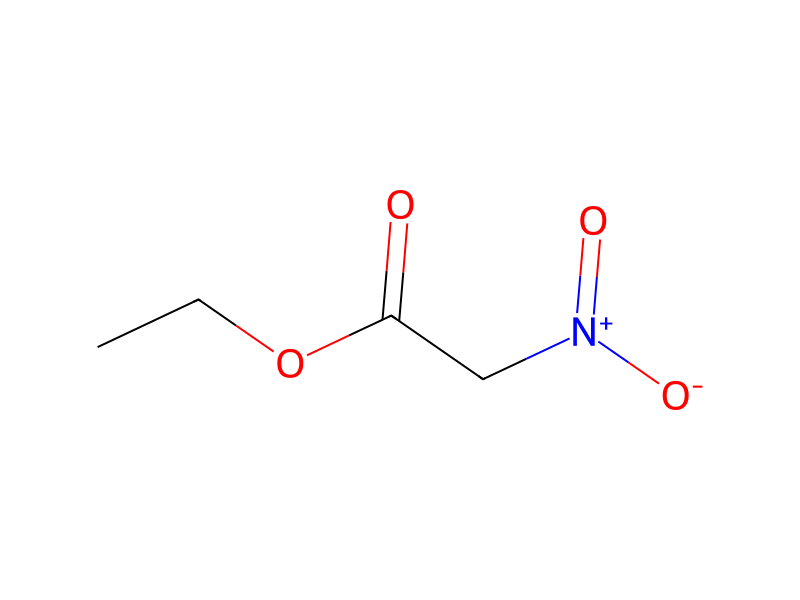
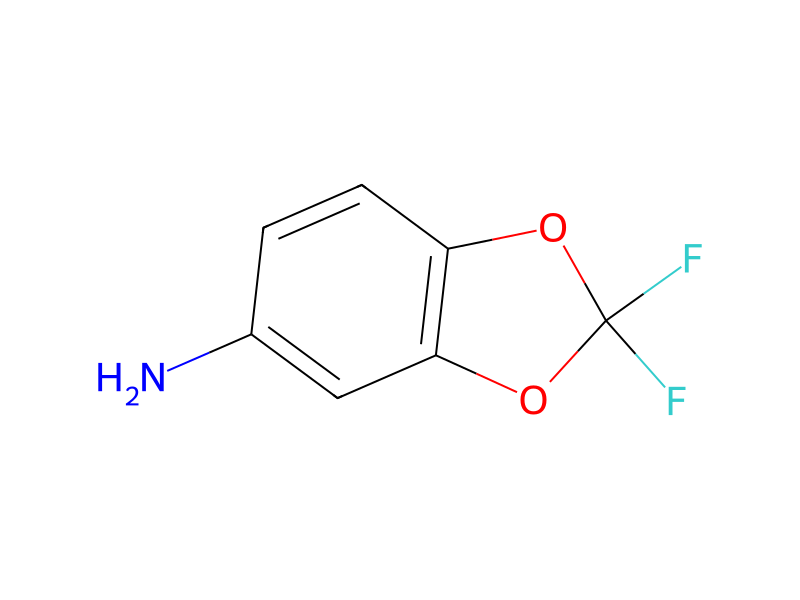
[F:1][C:2]1([F:12])[O:6][C:5]2[CH:7]=[CH:8][C:9]([NH2:11])=[CH:10][C:4]=2[O:3]1.C([O:20][CH2:21][CH3:22])(OCC)OCC.[N+:23]([CH2:26]C(OCC)=O)([O-])=O.[C:32](O)(=O)C>[Fe]>[F:12][C:2]1([F:1])[O:6][C:5]2[CH:7]=[CH:8][C:9]([N:11]3[CH:32]=[C:22]([CH2:21][OH:20])[N:23]=[CH:26]3)=[CH:10][C:4]=2[O:3]1Participants
6
Reactant 4

Product 1

Reagents, catalysts & solvents 1

Procedure
Following the general method described in example 293, 2,2-difluoro-benzo[1,3]dioxol-5-ylamine was reacted with triethyl orthoformate, ethyl nitroacetate and acetic acid followed by treatment with triethyl orthoformate, iron and acetic acid and subsequent alkaline hydrolysis. The isolated acid was directly reduced according to example 264, by reaction with BH3 THF complex followed by hydrolytic workup and the title compound was obtained as a light brown solid. Mp. 163-164° C. (H2O), MS: m/e=254 (M+).
Workup
- customThe isolated acid was directly reduced according to example 264, by reaction with BH3 THF complex
Sources & evidence
- ORD record
- ord-65ecd3d8357344cfb9ddc7bccd520302
- Source dataset
- uspto-grants-2003_08
- Patent number
- US06610723B2
Linked notes
Loading…