Reaction equation

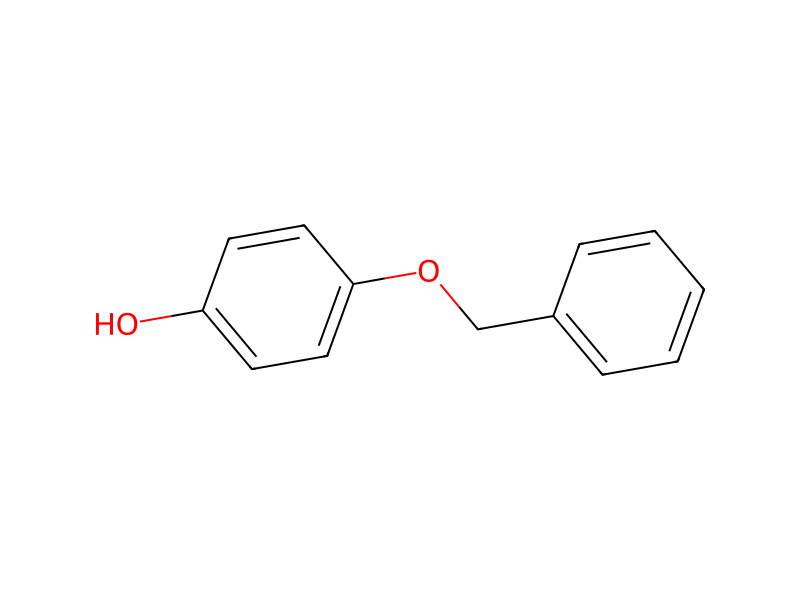
[CH2:1]([O:8][C:9]1[CH:14]=[CH:13][C:12]([OH:15])=[CH:11][CH:10]=1)[C:2]1[CH:7]=[CH:6][CH:5]=[CH:4][CH:3]=1.C(=O)([O-])[O-].[K+].[K+].Cl[CH:23]1[CH2:27][CH2:26][CH2:25][C:24]1=[O:28]>CC(=O)CC.[I-].[K+]>[CH2:1]([O:8][C:9]1[CH:10]=[CH:11][C:12]([O:15][CH:23]2[CH2:27][CH2:26][CH2:25][C:24]2=[O:28])=[CH:13][CH:14]=1)[C:2]1[CH:3]=[CH:4][CH:5]=[CH:6][CH:7]=1Participants
6





Procedure
To a mixture of 4-benzyloxyphenol (5 g, 25 mmol), potassium iodide (125 mg), and potassium carbonate (4.48 g, 32.5 mmol) in 2-butanone (30 ml) was added 2-chlorocyclopentanone (5.9 g, 50 mmol). The mixture was heated at reflux for 5 h, filtered and concentrated in vacuo. The residue was dissolved in diethyl ether and washed successively with 10% aqueous sodium hydroxide, water and brine. After drying over magnesium sulfate, solvents were removed in vacuo and the residue subjected to flash chromatography on silica gel eluting with 30% diethyl ether in hexanes to afford the title compound as a pale orange solid (2.4 g).
Workup
- temperatureThe mixture was heated
- temperatureat reflux for 5 h
- filtrationfiltered
- concentrationconcentrated in vacuo
- dissolutionThe residue was dissolved in diethyl ether
- washwashed successively with 10% aqueous sodium hydroxide, water and brine
- dry with materialAfter drying over magnesium sulfate, solvents
- customwere removed in vacuo
Sources & evidence
- ORD record
- ord-3d328c2e681845c6b92920f813f37935
- Source dataset
- uspto-grants-1998_10
- Patent number
- US05817698
Linked notes
Loading…