HomeMCPWorkbenchSkills
HomeWorkbenchNotificationsMe
llms.txt · MCP GuidePrivacy Policy · Terms of Service · Supportv1.8.0
  1. Home
  2. /Reaction

Sodium Chloride → Sodium Lauryl Sulfate

HRID 407166
Notes
Print preview

Reaction equation

HRID 407166 reaction equation
[Na+:1].[Cl-].C(N(CC(O)=O)CC(O)=O)C[N:5](CC(O)=O)[CH2:6][C:7]([OH:9])=[O:8].CC(CC(C1C=CC(OCCOCCO)=CC=1)(C)C)(C)C.C[C@@H]([C@@H]1[C@@]2(C)[C@@H](O)C[C@@H]3[C@@]4(C)CC[C@@H](O)C[C@H]4CC[C@@]3(C)[C@@H]2CC1)CCC([O-])=O.[Na+].C(N)(=O)C=C.[CH2:79]([OH:86])[C:80]([NH2:85])([CH2:83][OH:84])[CH2:81][OH:82].[CH3:87][CH2:88][CH2:89][CH2:90][CH2:91][CH2:92][CH2:93][CH2:94][CH2:95][CH2:96][CH2:97][CH2:98][O:99][S:100]([O-:103])(=[O:102])=[O:101].[Na+].CN(CCN(C)C)C>>[CH2:79]([OH:86])[C:80]([NH2:85])([CH2:83][OH:84])[CH2:81][OH:82].[NH2:5][CH2:6][C:7]([OH:9])=[O:8].[CH3:87][CH2:88][CH2:89][CH2:90][CH2:91][CH2:92][CH2:93][CH2:94][CH2:95][CH2:96][CH2:97][CH2:98][O:99][S:100]([O-:103])(=[O:102])=[O:101].[Na+:1]
ParticipantsProcedureWorkupSources & evidenceReaction notes

Participants

11

Reactant 8

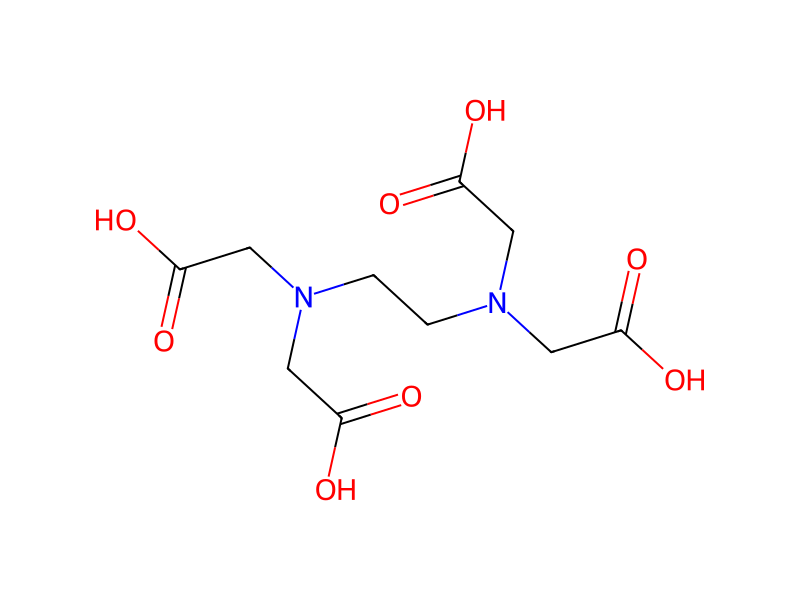
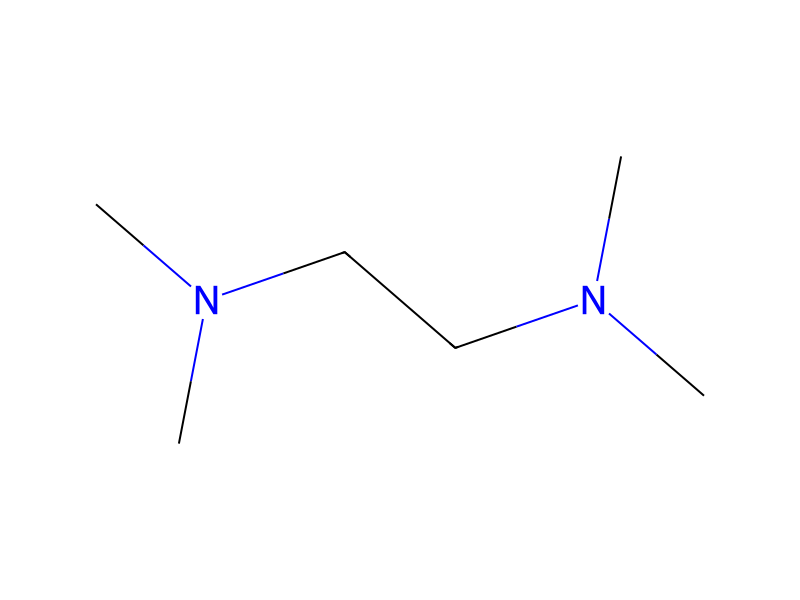
HCID 5234Sodium ChlorideHCID 6049Ethylenediaminetetraacetic Acid2×HCID 6503Tris(hydroxymethyl)aminomethaneHCID 6579AcrylamideHCID 8037N,N,N',N'-TetramethylethylenediamineHCID 24775Poly(oxy-1,2-ethanediyl), alpha-((1,1,3,3-tetramethylbutyl)phenyl)-omega-hydroxy-, potassium salt (1:1)
HCID 3423265
Sodium Lauryl Sulfate
HCID 44582061sodium (4R)-4-[(3R,5R,8R,9R,10S,12S,13R,14S,17R)-3,12-dihydroxy-8,10,13-trimethyl-1,2,3,4,5,6,7,9,11,12,14,15,16,17-tetradecahydrocyclopenta[a]phenanthren-17-yl]pentanoate

Product 3

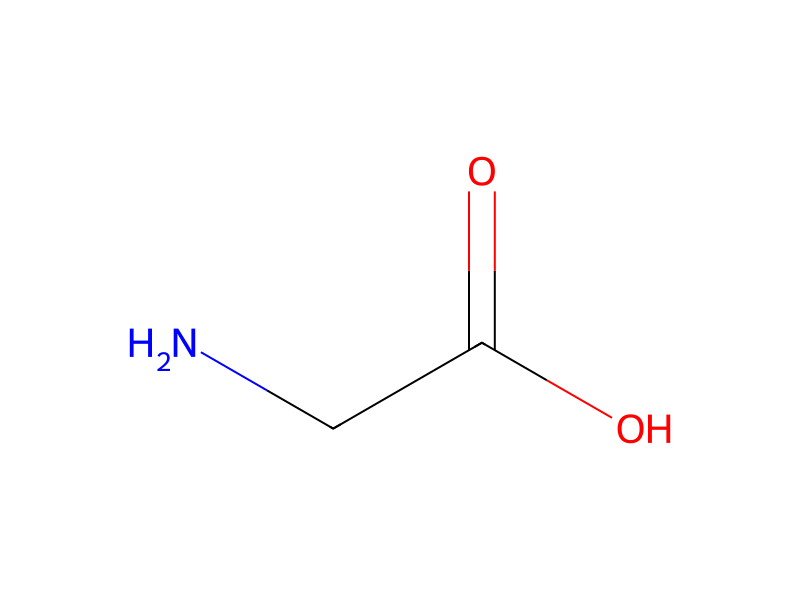
HCID 750GlycineHCID 6503Tris(hydroxymethyl)aminomethaneHCID 3423265Sodium Lauryl SulfateYield 0.1%

Procedure

Western blotting was performed with the compound of the example 64 of the present invention. A375P cell line was lysed by using RIPA buffer solution (50 mM tris pH 7.4, 150 mM NaCl, 1 mM EDTA, 1% NP-40, 0.25% sodium deoxycholate) containing phosphatase inhibitor (Phosphatase inhibitor cocktail I & II) and protease inhibitor (Complete, Mini, EDTA-free; Roche Applied Science), and centrifuged at 13000 rpm for 10 min. Whole protein was stained with Bio-Rad agent (bio-rad #500-0006) and quantitated by comparing with BSA (positive control). 12% gel was prepared by using 30% acrylamide, 1.5 M Tris (pH 8.8), 10% SDS solution, 10% PAS solution and TEMED. After loading 100 ug of protein per one lane of gel, proteins were isolated by sodiumdodecylsulfate polyacrylamide gel electrophoresis (SDS-PAGE, 250 mM Tris base, 2.5 M Glycine, 0.1% SDS, 140V, electrophoresis for 2 h), and transferred to nitrocellulose filter at 200 mA for 2 h. The results are weakly reacted with an antibody[Rabbit anti-Map Kinase (Zymed #61-7400) and phosphor-p44/42 MAP kinase (Thr202/Tyr204) (Cell signaling #9101)] at 4° C. for a day. Further, it is washed with TBST buffer solution containing 0.05% tween20 at 4 times every 5 minutes. The results are weakly reacted with secondary antibody[anti-rabbit IgG (Amersham #NA934V)] for one hour at room temperature, and washed by the same manner. Protein bands were identified with imaging apparatus (Gelliance). The results is shown in FIG. 1.

Workup

  1. custom12% gel was prepared

Sources & evidence

ORD record
ord-9503b114fcff444ca28fd28e5794819c
Source dataset
uspto-grants-2014_06
DOI
10.6084/m9.figshare.5104873.v1
Patent number
US08754209B2

Reaction notes

Loading…

On this pageParticipantsProcedureWorkupSources & evidenceReaction notes