Reaction equation

[Cl:1][C:2]1[CH:3]=[C:4]([CH:7]=[CH:8][CH:9]=1)[CH:5]=[O:6].[F:10][C:11]([F:26])([F:25])[C:12]1[CH:13]=[C:14]([NH:19][CH2:20][CH:21](O)[CH2:22][CH3:23])[CH:15]=[CH:16][C:17]=1[F:18]>CS(O)(=O)=O>[Cl:1][C:2]1[CH:3]=[C:4]([CH:5]2[N:19]([C:14]3[CH:15]=[CH:16][C:17]([F:18])=[C:12]([C:11]([F:26])([F:10])[F:25])[CH:13]=3)[CH2:20][CH:21]([CH2:22][CH3:23])[O:6]2)[CH:7]=[CH:8][CH:9]=1Participants
4


Procedure
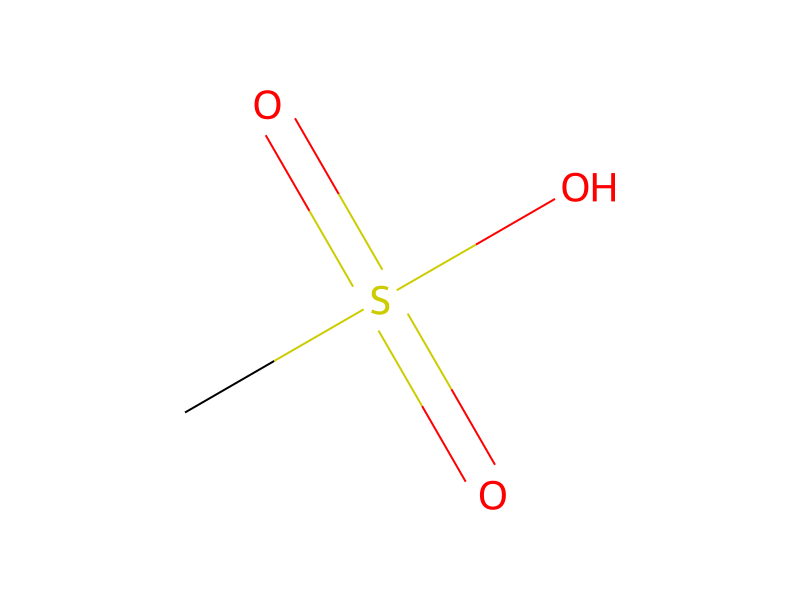
Meta-chlorobenzaldehyde (2.3 g, 0.016 mole) was combined with 5 g of 1-(3-trifluoromethyl-4-fluorophenylamino)-2-butanol and 3 drops of methane sulfonic acid was added. The mixture was heated on the steam bath for about one hour and stripped on the rotary evaporator. The product, a sticky, thick liquid, was characterized by IR and NMR.
Workup
- additionwas added
- temperatureThe mixture was heated on the steam bath for about one hour
- customstripped on the rotary evaporator
Sources & evidence
- ORD record
- ord-2606b9cbf440416d8f3e63a1500dbed7
- Source dataset
- uspto-grants-1988_02
- Patent number
- US04723986
Linked notes
Loading…