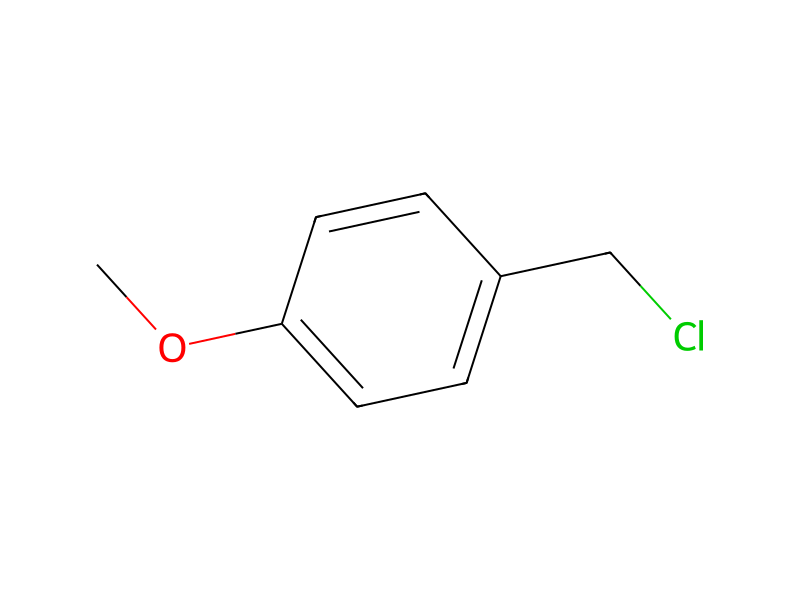
[OH:1][CH:2]([C:4]1[C:9]([N+:10]([O-:12])=[O:11])=[CH:8][CH:7]=[CH:6][C:5]=1[OH:13])[CH3:3].C(=O)([O-])[O-].[K+].[K+].[CH3:20][O:21][C:22]1[CH:29]=[CH:28][C:25]([CH2:26]Cl)=[CH:24][CH:23]=1>CC(C)=O>[CH3:20][O:21][C:22]1[CH:29]=[CH:28][C:25]([CH2:26][O:13][C:5]2[CH:6]=[CH:7][CH:8]=[C:9]([N+:10]([O-:12])=[O:11])[C:4]=2[CH:2]([OH:1])[CH3:3])=[CH:24][CH:23]=1To a stirred solution of 2-(1-hydroxyethyl)-3-nitrophenol (0.300 g, 1.638 mmol) in acetone (5 mL) was added potassium carbonate (0.25 g, 1.802 mmol). The mixture was stirred at room temperature for 15 min, and 4-methoxybenzyl chloride (0.22 mL, 1.638 mmol) was added to the mixture. The mixture was stirred at room temperature for 2 hrs and at 60° C. for 3 hrs. The reaction was quenched with saturated aqueous ammonium chloride solution and extracted with ethyl acetate. The organic phase was dried over Na2SO4, filtered and concentrated. The residue was purified by column chromatography on silica gel (hexane/ethyl acetate=4/1). The purified compound was washed with diisopropyl ether to give 1-{2-[(4-methoxybenzyl)oxy]-6-nitrophenyl}ethanol as a white solid (0.201 g, yield; 41%).
Loading…