Reaction equation

[H-].[Na+].[C:3]([O:10][CH3:11])(=[O:9])[CH2:4][C:5]([O:7][CH3:8])=[O:6].Br[C:13]1[CH:18]=[CH:17][C:16]([Br:19])=[CH:15][C:14]=1[N+:20]([O-:22])=[O:21].[Cl-].[NH4+]>CS(C)=O>[Br:19][C:16]1[CH:17]=[CH:18][C:13]([CH:4]([C:3]([O:10][CH3:11])=[O:9])[C:5]([O:7][CH3:8])=[O:6])=[C:14]([N+:20]([O-:22])=[O:21])[CH:15]=1Participants
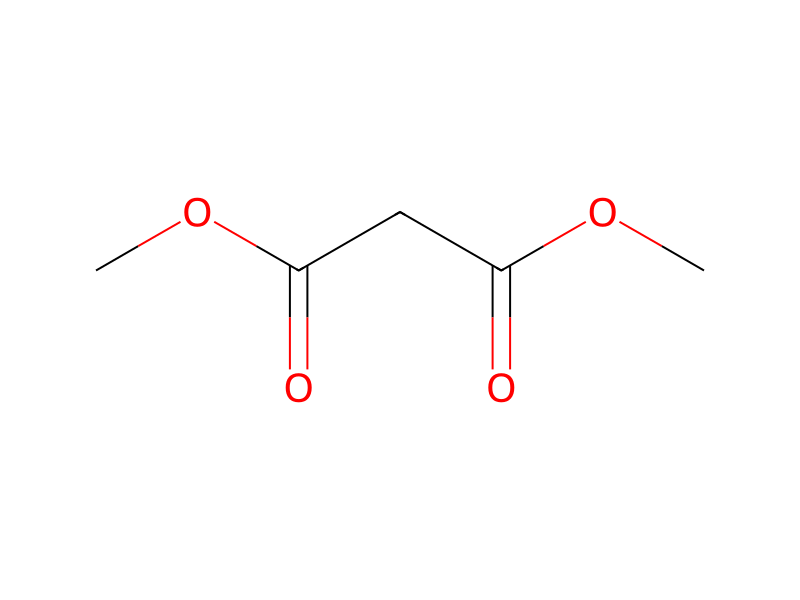





Conditions
- Temperature
- 100 °C
Procedure
To 9.4 g of sodium hydride was added 195 ml of dimethyl sulfoxide, followed by the dropwise addition of 22.37 ml of dimethyl malonate. At the end of the addition, the mixture was heated at 100° C. and maintained at that temperature for 40 minutes. At this point, 25 g of 1,4-dibromo-2-nitrobenzene was added all at once. The reaction mixture was maintained at 100° C. for 4 hours and then it was added to 1.0 liter of saturated ammonium chloride solution. The resulting mixture was extracted with ethyl acetate and the extracts were washed with ammonium chloride solution, water and saturated sodium chloride. The dried (MgSO4) solvent was evaporated, and the residue was recrystalized from ethyl acetate-hexane to give 22.45 g of dimethyl 2-(4-bromo-2-nitrophenyl)malonate.
Workup
- additionAt the end of the addition
- temperaturemaintained at that temperature for 40 minutes
- temperatureThe reaction mixture was maintained at 100° C. for 4 hours
- extractionThe resulting mixture was extracted with ethyl acetate
- washthe extracts were washed with ammonium chloride solution, water and saturated sodium chloride
- dry with materialThe dried (MgSO4) solvent
- customwas evaporated
- customthe residue was recrystalized from ethyl acetate-hexane
Sources & evidence
- ORD record
- ord-3d5eb43172a14b90bf1cd55080bc599b
- Source dataset
- uspto-grants-1988_12
- Patent number
- US04791131
Linked notes
Loading…