Reaction equation

[C:1]1(=[O:13])[CH2:12][CH2:11][CH2:10][CH2:9][CH2:8][CH2:7][CH2:6][CH2:5][CH2:4][CH2:3][CH2:2]1.C([Mg]Br)C=C.[CH2:19]1[CH2:23][O:22][CH2:21]C1>>[O:22]1[CH2:21][CH:23]1[CH2:19][C:1]1([OH:13])[CH2:12][CH2:11][CH2:10][CH2:9][CH2:8][CH2:7][CH2:6][CH2:5][CH2:4][CH2:3][CH2:2]1Participants

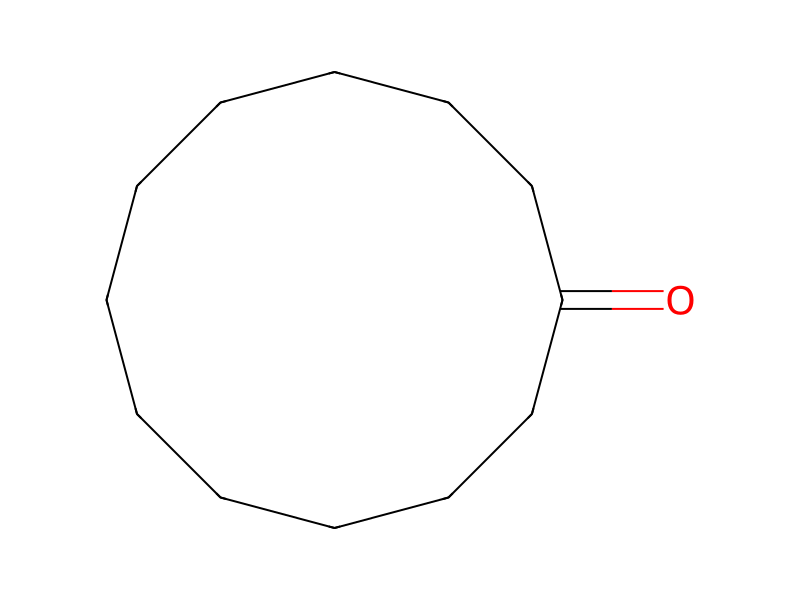


Conditions
- Temperature
- 0 °C
Procedure
An oven-dried 500-mL three-neck round-bottom flask was charged with cyclododecanone (6.00 g, 32.9 mmol) and 50 mL dry THF. A 100-mL addition funnel with allyl magnesium bromide (1.0 M solution in THF, 36.2 mL, 36.2 mmol) was attached and the flask was cooled in an ice bath for 10 minutes. The Grignard was slowly dripped in over the course of 30 minutes while stirring at 0° C. under nitrogen. After addition, the ice bath was removed and the reaction mixture was stirred for 4 hours at room temperature under nitrogen. Excess Grignard was quenched by slowly adding water to the reaction mixture cooled to 0° C., and the product was extracted three times with diethyl ether. The organic layer was dried over Na2SO4 and solvent was removed under vacuum to obtain the homoallylic alcohol that was used without further purification.
Workup
- temperaturethe flask was cooled in an ice bath for 10 minutes
- customwas slowly dripped in over the course of 30 minutes
- additionAfter addition
- customthe ice bath was removed
- stirringthe reaction mixture was stirred for 4 hours at room temperature under nitrogen
- customExcess Grignard was quenched by slowly adding water to the reaction mixture
- temperaturecooled to 0° C.
- extractionthe product was extracted three times with diethyl ether
- dry with materialThe organic layer was dried over Na2SO4 and solvent
- customwas removed under vacuum
Sources & evidence
- ORD record
- ord-55210b283a654f80af1805a764f8de53
- Source dataset
- uspto-grants-2013_09
- Patent number
- US08530677B2
Linked notes
Loading…