Reaction equation

Cl.Cl.[CH3:3][C:4]1[CH:9]=[CH:8][C:7]([N:10]2[CH2:15][CH2:14][NH:13][CH2:12][CH2:11]2)=[CH:6][CH:5]=1.CCN(CC)CC.[CH:23]1([C:28](Cl)=[O:29])[CH2:27][CH2:26][CH2:25][CH2:24]1>C(Cl)Cl>[CH:23]1([C:28]([CH:11]2[CH2:12][NH:13][CH2:14][CH2:15][N:10]2[C:7]2[CH:6]=[CH:5][C:4]([CH3:3])=[CH:9][CH:8]=2)=[O:29])[CH2:27][CH2:26][CH2:25][CH2:24]1Participants
5




Procedure
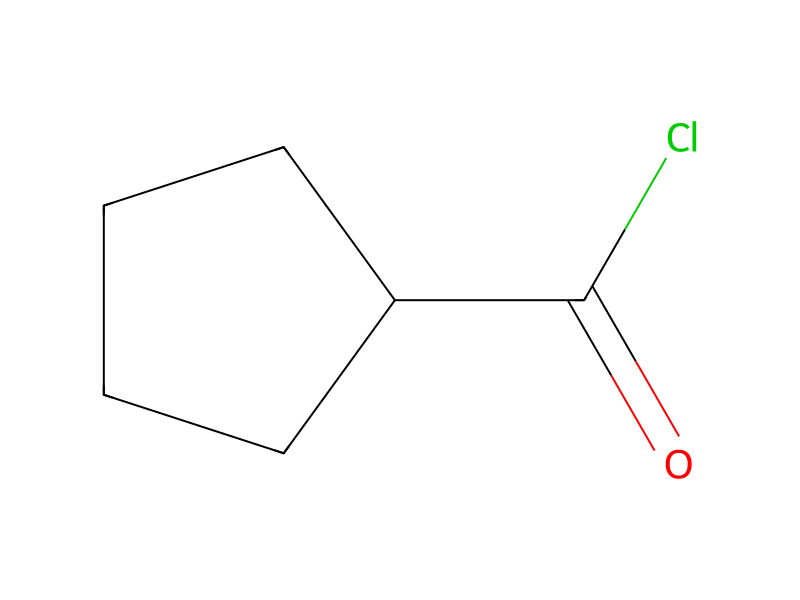
4-Methylphenyl piperazine dihydrochloride (4.20 g, 16.9 mmol) and NEt3 (7.0 mL, 50.2 mmol) were dissolved in DCM (125 mL) at 0° C. Cyclopentanecarbonyl chloride (2.0 mL, 16.5 mmol) was added and the reaction mixture was allowed to warm to room temperature over 16 hours. The reaction mixture was washed with 1M aq Na2CO3 solution (3×100 mL), dried (MgSO4) and concentrated in vacuo to give cyclopentanecarbonyl 4-(methyl)phenyl piperazine (4.42 g, 98%) as a pale brown oil which was used without further purification.
Workup
- washThe reaction mixture was washed with 1M aq Na2CO3 solution (3×100 mL)
- dry with materialdried (MgSO4)
- concentrationconcentrated in vacuo
Sources & evidence
- ORD record
- ord-3297df9f01b645ad96f977418a0a8f14
- Source dataset
- uspto-grants-2012_01
- Patent number
- US08093248B2
Linked notes
Loading…