Reaction equation

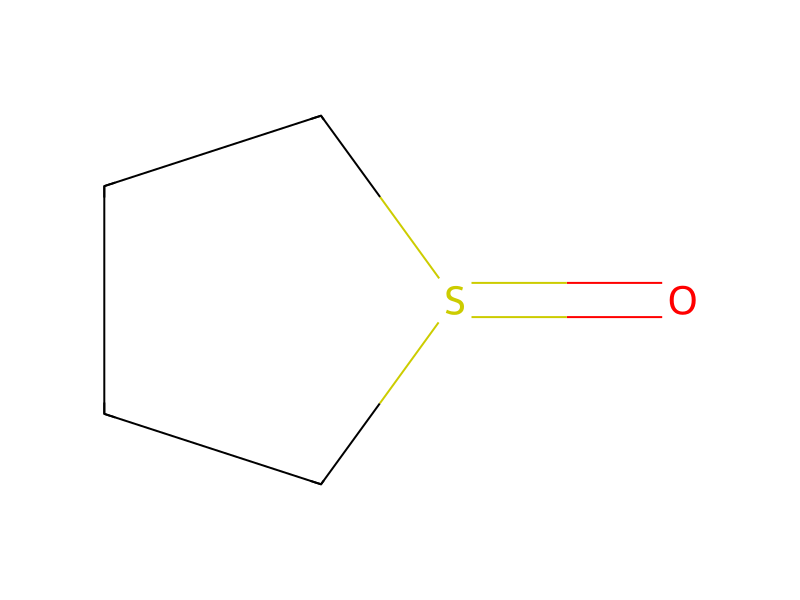
[C:1]1([OH:11])[C:10]2[C:5](=[CH:6][CH:7]=[CH:8][CH:9]=2)[CH:4]=[CH:3][CH:2]=1.[CH2:12]1[S:16](=O)[CH2:15][CH2:14][CH2:13]1.[ClH:18]>CO>[Cl-:18].[OH:11][C:1]1[C:10]2[C:5](=[CH:6][CH:7]=[CH:8][CH:9]=2)[C:4]([S+:16]2[CH2:12][CH2:13][CH2:14][CH2:15]2)=[CH:3][CH:2]=1Participants
5
Reactant 3


Product 1

Reagents, catalysts & solvents 1

Conditions
- Temperature
- -16 °C
Procedure
In 50 g of methanol were dissolved 10 g (0.069 mol) of 1-naphthol and 7.2 g (0.069 mol) of tetramethylene sulfoxide. The solution was cooled to −16° C. An excess of hydrogen chloride gas was fed to the solution at a temperature below 20° C. Nitrogen gas was bubbled to expel the excess of hydrogen chloride. The reaction solution was concentrated and combined with water and diisopropyl ether, from which a water layer was separated. It was an aqueous solution of 4-hydroxynaphthyl-1-tetrahydrothiophenium chloride. This aqueous solution was used in the subsequent step without further isolation.
Workup
- customwas fed to the solution at a temperature below 20° C
- customNitrogen gas was bubbled
- concentrationThe reaction solution was concentrated
- customwas separated
Sources & evidence
- ORD record
- ord-1158d82d9aa24d7db4dbdc5a06a5f6fd
- Source dataset
- uspto-grants-2013_09
- Patent number
- US08535869B2
Linked notes
Loading…