HomeMCPWorkbenchSkills
HomeWorkbenchNotificationsMe
llms.txt · MCP GuidePrivacy Policy · Terms of Service · Supportv1.8.0
  1. Home
  2. /Reaction

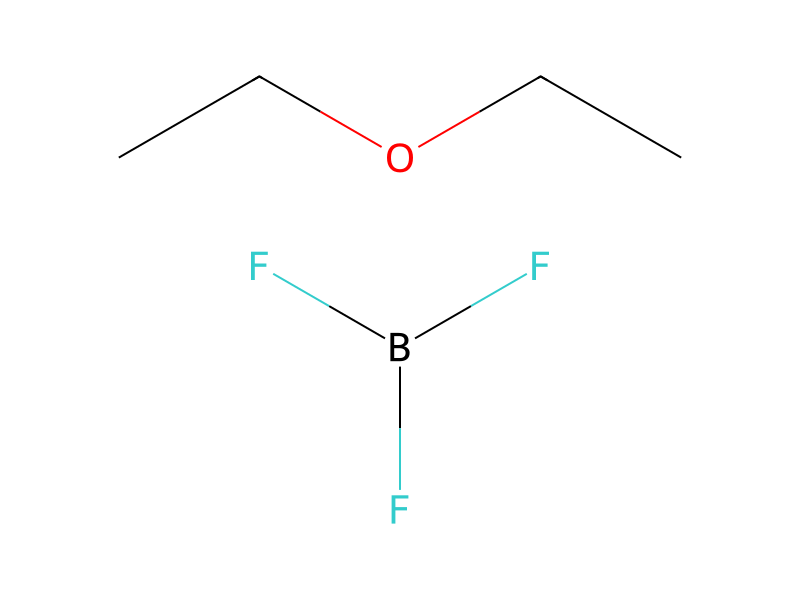
Boron trifluoride etherate → HCID 57684690, compound

HRID 425044
Notes
Print preview

Reaction equation

HRID 425044 reaction equation
[CH2:1]([O:8][C@@H:9]1[C@@H:14]([O:15][CH2:16][C:17]2[CH:22]=[CH:21][CH:20]=[CH:19][CH:18]=2)[C@H:13]([O:23][CH2:24][C:25]2[CH:30]=[CH:29][CH:28]=[CH:27][CH:26]=2)[C@@H:12]([CH2:31][O:32][CH2:33][C:34]2[CH:39]=[CH:38][CH:37]=[CH:36][CH:35]=2)[O:11][C:10]1([C:41]1[CH:46]=[CH:45][C:44]([Cl:47])=[C:43]([CH2:48][C:49]2[CH:54]=[CH:53][C:52]([CH:55]=[CH2:56])=[CH:51][CH:50]=2)[CH:42]=1)O)[C:2]1[CH:7]=[CH:6][CH:5]=[CH:4][CH:3]=1.[SiH](CC)(CC)CC.B(F)(F)F.CCOCC>C(Cl)Cl.CC#N>[CH2:24]([O:23][C@H:13]1[C@H:14]([O:15][CH2:16][C:17]2[CH:18]=[CH:19][CH:20]=[CH:21][CH:22]=2)[C@@H:9]([O:8][CH2:1][C:2]2[CH:7]=[CH:6][CH:5]=[CH:4][CH:3]=2)[C@H:10]([C:41]2[CH:46]=[CH:45][C:44]([Cl:47])=[C:43]([CH2:48][C:49]3[CH:50]=[CH:51][C:52]([CH:55]=[CH2:56])=[CH:53][CH:54]=3)[CH:42]=2)[O:11][C@@H:12]1[CH2:31][O:32][CH2:33][C:34]1[CH:35]=[CH:36][CH:37]=[CH:38][CH:39]=1)[C:25]1[CH:30]=[CH:29][CH:28]=[CH:27][CH:26]=1
ParticipantsConditionsProcedureWorkupSources & evidenceReaction notes

Participants

5

Reactant 3

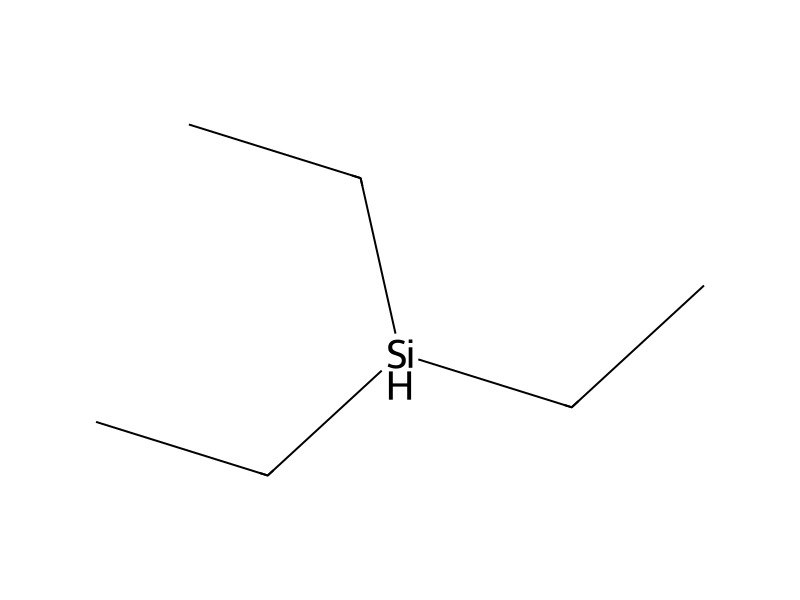
HCID 8000Boron trifluoride etherateHCID 12052TriethylsilaneHCID 57684684HCID 57684684, compound

Product 1

HCID 57684690HCID 57684690, compound

Reagents, catalysts & solvents 1

HCID 21877088Acetonitrile methylene chlorideSolvent

Conditions

Temperature
0 °C

Procedure

To a stirred solution of (3R,4S,5R,6R)-3,4,5-tris(benzyloxy)-6-(benzyloxymethyl)-2-(4-chloro-3-(4-vinylbenzyl)phenyl)tetrahydro-2H-pyran-2-ol (intermediate AN) (350 mg) in 4 mL of CH2Cl2:CH3CN (1:1) at −15° C. was added Et3SiH (0.146 mL), followed by BF3.Et2O (0.09 mL). During the period of addition, the temperature was maintained at approximately −5° C. to −10° C. The stirred solution was allowed to warm to 0° C. over 5 h. The reaction was monitored by TLC, and after the starting material was consumed, the reaction was quenched by addition of saturated aqueous NaHCO3. The solvent was removed under reduced pressure. The residue was then dissolved in a mixture of 40 mL of ethyl acetate and water (1:1). After separation of the organic layer, the aqueous phase was extracted 2× with 20 mL of ethyl acetate. The organic phases were combined and washed with brine and water before drying over Na2SO4. Concentration of the solution yielded a yellow gel, which was purified by preparative TLC to obtain pure intermediate AO (100 mg).

Workup

  1. additionDuring the period of addition
  2. temperaturethe temperature was maintained at approximately −5° C. to −10° C
  3. customafter the starting material was consumed
  4. customthe reaction was quenched by addition of saturated aqueous NaHCO3
  5. customThe solvent was removed under reduced pressure
  6. dissolutionThe residue was then dissolved in a mixture of 40 mL of ethyl acetate and water (1:1)
  7. customAfter separation of the organic layer
  8. extractionthe aqueous phase was extracted 2× with 20 mL of ethyl acetate
  9. washwashed with brine and water
  10. dry with materialbefore drying over Na2SO4
  11. customConcentration of the solution yielded a yellow gel, which
  12. customwas purified by preparative TLC
  13. customto obtain pure intermediate AO (100 mg)

Sources & evidence

ORD record
ord-2b86c09e06d84bbb887fb2b6665d82f7
Source dataset
uspto-grants-2012_01
DOI
10.6084/m9.figshare.5104873.v1
Patent number
US08106021B2

Reaction notes

Loading…

On this pageParticipantsConditionsProcedureWorkupSources & evidenceReaction notes