Ethanol → 3-pentyl-L-phenylalanine
Reaction equation

[O:1]=[C:2]1[C@H:7]([CH2:8][C:9]2[CH:14]=[CH:13][CH:12]=[C:11]([CH:15]([CH2:18][CH3:19])CC)[CH:10]=2)[NH:6][C@@H](C2C=CC=CC=2)[C@@H](C2C=CC=CC=2)[O:3]1.[CH3:32][CH2:33]O>Cl[Pd]Cl.C1COCC1>[CH2:15]([C:11]1[CH:10]=[C:9]([CH:14]=[CH:13][CH:12]=1)[CH2:8][C@@H:7]([C:2]([OH:3])=[O:1])[NH2:6])[CH2:18][CH2:19][CH2:32][CH3:33]Participants
5
Reactant 2


Product 1

Reagents, catalysts & solvents 2
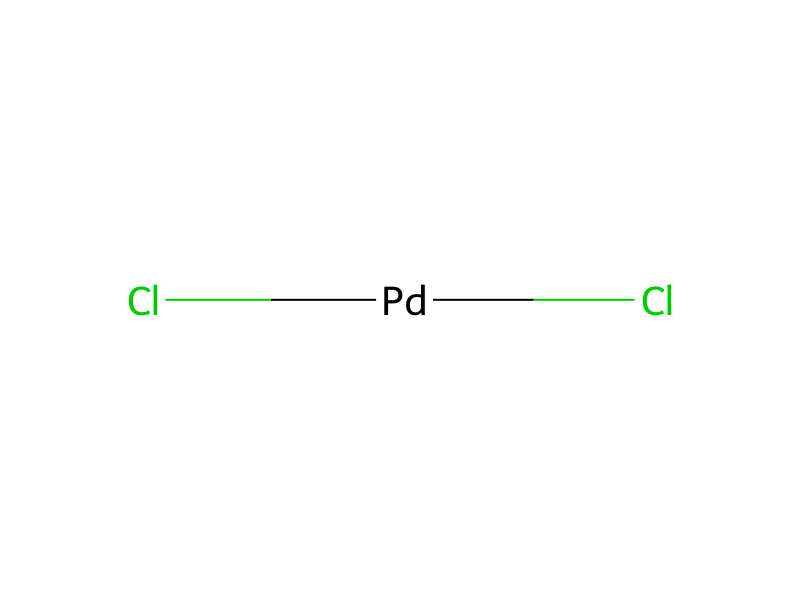

Procedure
To a 300 mL Parr bottle were added 0.41 g of PdCl2, 1.36 g of (2R,3S,5S)-6-oxo-2,3-diphenyl-5-(3-(3-pentyl)benzyl)morpholine, 50 mL of EtOH, and 30 mL of THF. The mixture was deoxygenated by bubbling nitrogen through for 10 min and was hydrogenated at 45 psi for 18 h. The vessel was purged with nitrogen, catalyst removed by filtration through celite, and the filtrate concentrated in vacuo to a volume of 15 mL. The solution was chilled in an ice bath and triturated with addition of 50 mL of hexane. A fine precipitate slowly formed. After storing at 5° C. overnight, the solid was collected by filtration and dried in vacuo to afford 0.65 g (72%) of 3-(3-pentyl-L-phenylalanine.HCl as a white powder, m.p. 170° C. (dec).