HomeMCPWorkbenchSkills
HomeWorkbenchNotificationsMe
llms.txt · MCP GuidePrivacy Policy · Terms of Service · Supportv1.8.3
  1. Home
  2. /Reaction

Isobutyraldehyde → 4-Formyl-4-methylvaleronitrile

HRID 429957
Print

Reaction equation

HRID 429957 reaction equation
[CH:1](=[O:5])[CH:2]([CH3:4])[CH3:3].[C:6](#[N:9])[CH:7]=[CH2:8].[OH-].[Na+]>O1CCOCC1.C1(C=CC(O)=CC=1)O>[CH3:3][C:2]([CH3:4])([CH:1]=[O:5])[CH2:8][CH2:7][C:6]#[N:9]
ParticipantsConditionsProcedureWorkupSources & evidenceReaction notes

Participants

6

Reactant 3

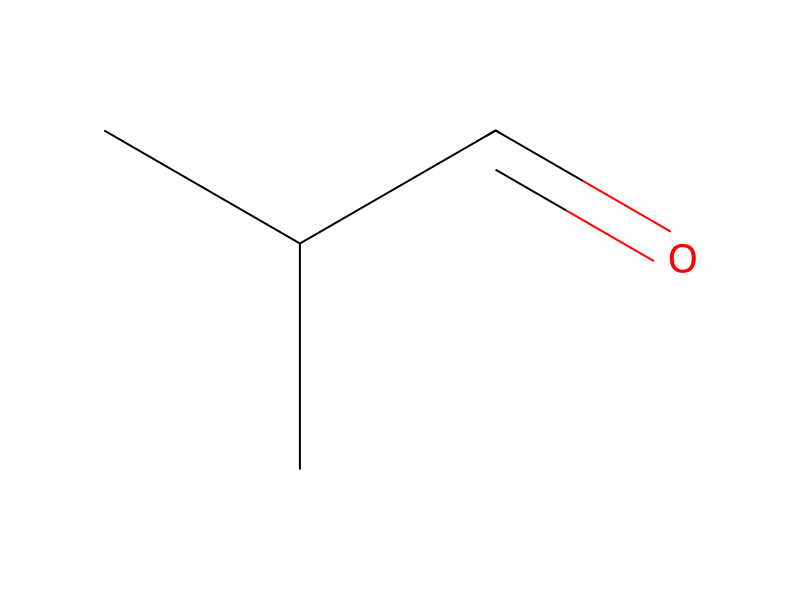
HCID 6561IsobutyraldehydeHCID 7855AcrylonitrileHCID 14798Sodium Hydroxide

Product 1

HCID 802314-Formyl-4-methylvaleronitrileYield 63%

Reagents, catalysts & solvents 2

HCID 785HydroquinoneCatalystHCID 312751,4-Dioxane
Solvent

Conditions

Temperature
65 °C

Procedure

To a stirred solution of isobutyraldehyde (6.3 mL, 69.3 mmol), hydroquinone (25 mg) and acrylonitrile (5.7 mL, 86.7 mmol) in 1,4-dioxane (25 mL) was added 5% sodium hydroxide (4.6 mL). The reaction was heated at 65° C. for 2.5 hours and then stirred at ambient temperature for 16 hours. The dioxane was removed in vacuo and the residue was taken up in dichloromethane (80 mL). The dichloromethane was washed with water (3×80 mL), dried (magnesium sulfate), concentrated in vacuo and then distilled to afford the title compound (5.4 g, 63%) as a colorless liquid; bp 70° C. (0.8 mm);

Workup

  1. customThe dioxane was removed in vacuo
  2. washThe dichloromethane was washed with water (3×80 mL)
  3. dry with materialdried (magnesium sulfate)
  4. concentrationconcentrated in vacuo
  5. distillationdistilled

Sources & evidence

ORD record
ord-d35839f354c7491983960a7702c2049f
Source dataset
uspto-grants-2001_11
DOI
10.6084/m9.figshare.5104873.v1
Patent number
US06319946B1

Reaction notes

On this pageParticipantsConditionsProcedureWorkupSources & evidenceReaction notes


