Reaction equation

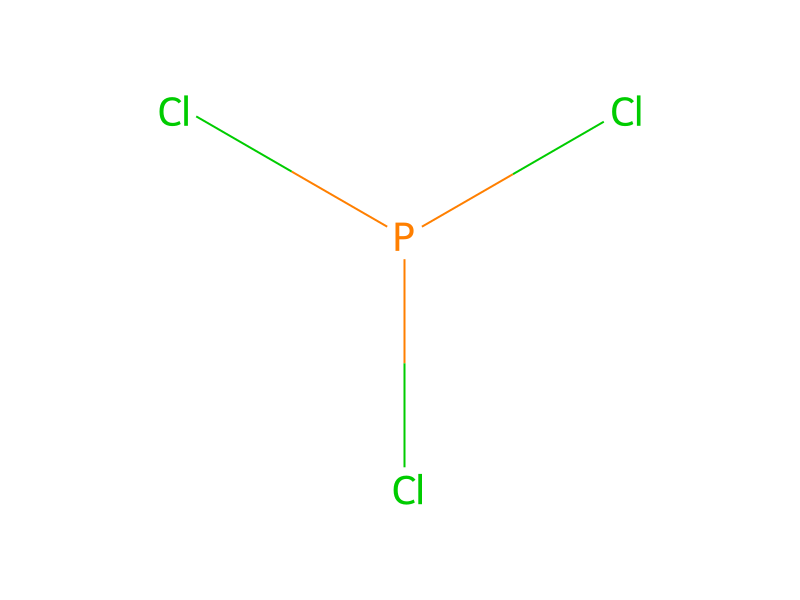
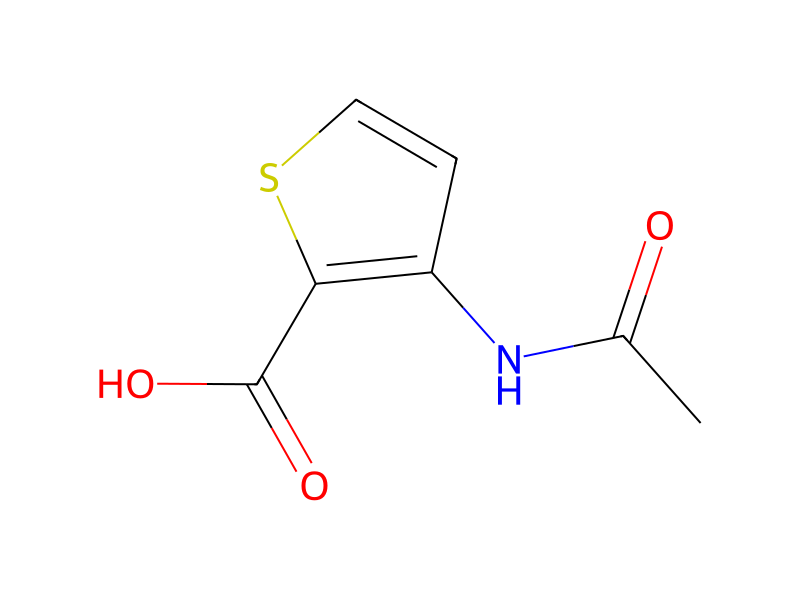
[NH2:1][C:2]1[C:3]([Cl:8])=[N:4][CH:5]=[CH:6][CH:7]=1.[C:9]([NH:12][C:13]1[CH:17]=[CH:16][S:15][C:14]=1[C:18](O)=[O:19])(=O)[CH3:10].P(Cl)(Cl)Cl>N1C=CC=CC=1>[CH3:10][C:9]1[N:1]([C:2]2[C:3]([Cl:8])=[N:4][CH:5]=[CH:6][CH:7]=2)[C:18](=[O:19])[C:14]2[S:15][CH:16]=[CH:17][C:13]=2[N:12]=1Participants
5
Reactant 3

Product 1

Reagents, catalysts & solvents 1

Conditions
- Temperature
- 105 °C
Procedure
To a mixture of pyridine (4 mL), 3-amino-2-chloropyridine (0.514 g, 4 mmol), and 3-acetamidothiophene-2-carboxylic acid (0.370 g, 4 mmol) was added phosphorus trichloride (0.02 mL, 2.3 mmol). The reaction was heated to 105° C. for 3 hours, cooled to ambient temperature and partitioned between ethyl acetate and water. Phases were separated and the aqueous layer was extracted with ethyl acetate. The combined organic phase was washed with water and brine, dried over sodium sulfate and concentrated to a greenish brown oil. This residue was flash chromatographed on silica gel (20×120 mm) eluting with 20-40% ethyl acetate/hexane to afford 0.350 g (63%) of 2-methyl-3-(2-chloropyrid-3-yl)-3H-thieno[3,2-d]pyrimidin-4-one as a yellow foam.
Workup
- temperaturecooled to ambient temperature
- custompartitioned between ethyl acetate and water
- customPhases were separated
- extractionthe aqueous layer was extracted with ethyl acetate
- washThe combined organic phase was washed with water and brine
- dry with materialdried over sodium sulfate
- concentrationconcentrated to a greenish brown oil
- customchromatographed on silica gel (20×120 mm)
- washeluting with 20-40% ethyl acetate/hexane
Sources & evidence
- ORD record
- ord-2d0269e9bbed4ddebd146f92e46f6348
- Source dataset
- uspto-grants-2001_11
- Patent number
- US06323208B1
Linked notes
Loading…