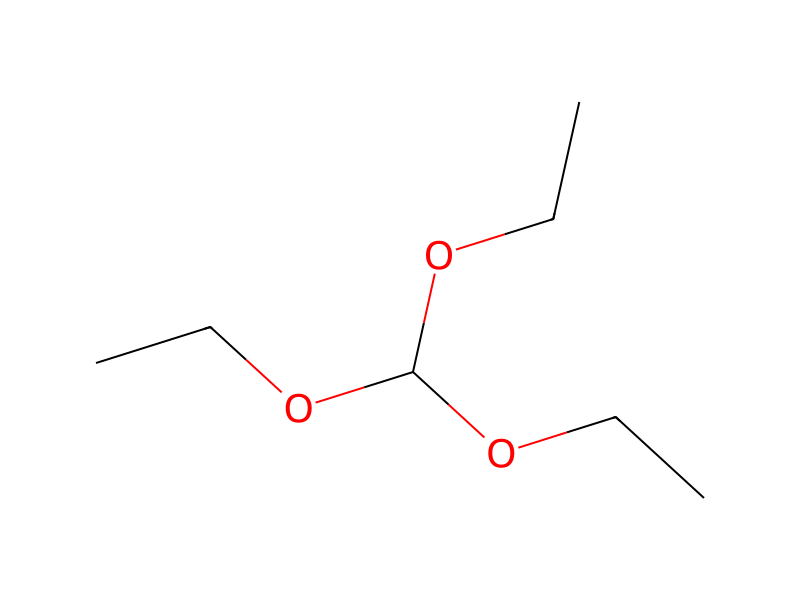
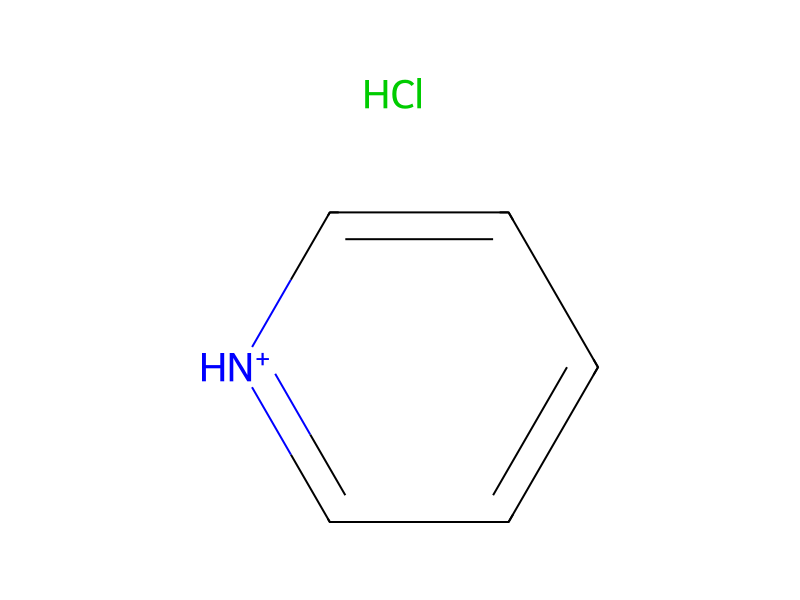
[NH2:1][C:2]1[CH:3]=[N:4][C:5]2[C:10]([C:11]=1[NH:12][CH2:13][CH2:14][O:15][CH2:16][CH2:17][NH:18][C:19](=[O:25])[O:20][C:21]([CH3:24])([CH3:23])[CH3:22])=[CH:9][CH:8]=[CH:7][CH:6]=2.[CH2:26](OC(OCC)OCC)C.Cl.[NH+]1C=CC=CC=1.C>C1(C)C=CC=CC=1.CO>[N:12]1([CH2:13][CH2:14][O:15][CH2:16][CH2:17][NH:18][C:19](=[O:25])[O:20][C:21]([CH3:22])([CH3:24])[CH3:23])[C:11]2[C:10]3[CH:9]=[CH:8][CH:7]=[CH:6][C:5]=3[N:4]=[CH:3][C:2]=2[N:1]=[CH:26]1A solution of tert-butyl 2-{2-[(3-aminoquinolin-4-yl)amino]ethoxy}ethylcarbamate (6.92 g, 20.0 mmol) in 100 mL of toluene was treated with triethylorthoformate (4.65 mL, 28.0 mmol) and the reaction mixture was heated to reflux. A 1100 mg portion of pyridinium hydrochloride was then added and refluxing was continued for 2 h. The reaction was then concentrated to dryness under reduced pressure. The residue was dissolved in 200 mL of CH2Cl2 and washed with saturated NaHCO3, H2O and brine. The organic portion was dried over Na2SO4 and concentrated to give a green oil. The green oil was dissolved in 200 mL of hot MeOH and treated with 10 g of activated charcoal. The hot solution was filtered and concentrated to give 5.25 g of tert-butyl 2-[2-(1H-imidazo[4,5-c]quinolin-1-yl)ethoxy]ethylcarbamate as a light yellow syrup.