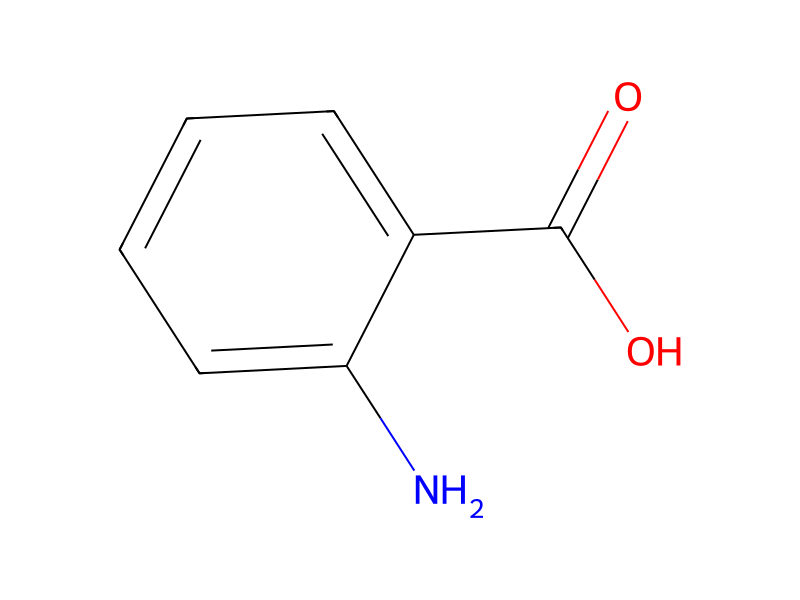
Under a nitrogen atmosphere, a solution of 2-aminobenzoic acid (100.0 g, 0.73 mol) in acetic anhydride (400 ml, 4.2 mol) was heated to reflux for 2 hours. The reaction was cooled to room temperature and the solvent was removed in vacuo. The residue was dissolved in glacial acetic acid (500 ml) and NaN3 (49.77 g, 0.77 mol) was added. The mixture was stirred overnight at room temperature followed by concentration of the acetic acid in vacuo. The residue was dissolved in 10% NaOH (500 ml) solution and heated to reflux for 3.5 hours. The reaction was cooled to room temperature and then poured over a mixture of ice water (2 L) and HCl (150 ml). A white solid precipitated and was collected by vacuum filtration. The solid was dried in vacuo to yield 130.5 g of 2-(5-methyl-1H-tetrazol-1-yl)benzoic acid.