Reaction equation

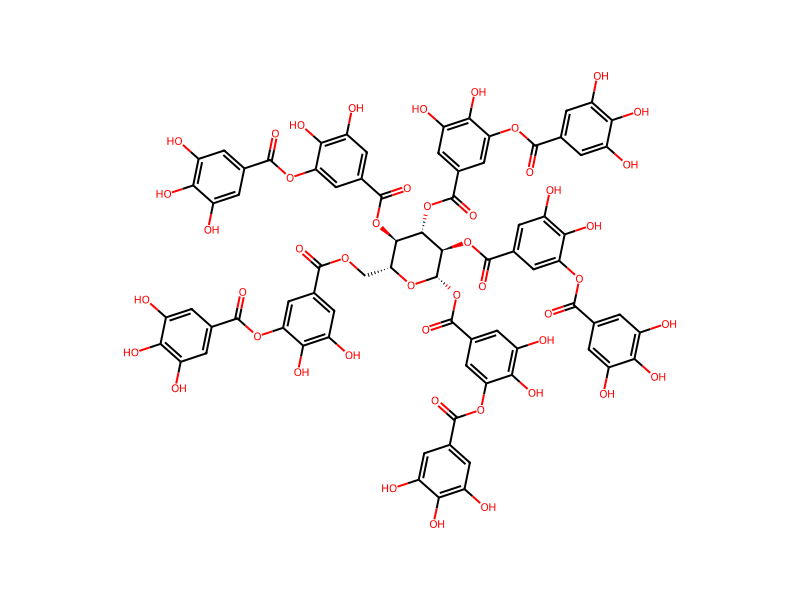
[CH3:1][N:2]1[C@H:11]2[CH2:12][C:13]3[CH:18]=[CH:17][C:16]([O:19][CH3:20])=[CH:15][C:14]=3[C@:5]3([C@@H:10]2[CH2:9][CH2:8][CH2:7][CH2:6]3)[CH2:4][CH2:3]1.Br.[CH:22]1[C:27]([OH:28])=[C:26]([OH:29])[C:25]([OH:30])=[CH:24][C:23]=1[C:31]([O:33][C:34]1[CH:35]=[C:36]([C:42]([O:44][CH2:45][C@H:46]2[O:51][C@@H:50]([O:52][C:53]([C:55]3[CH:56]=[C:57]([OH:74])[C:58]([OH:73])=[C:59]([O:61][C:62]([C:64]4[CH:65]=[C:66]([OH:72])[C:67]([OH:71])=[C:68]([OH:70])[CH:69]=4)=[O:63])[CH:60]=3)=[O:54])[C@H:49]([O:75][C:76]([C:78]3[CH:79]=[C:80]([OH:97])[C:81]([OH:96])=[C:82]([O:84][C:85]([C:87]4[CH:88]=[C:89]([OH:95])[C:90]([OH:94])=[C:91]([OH:93])[CH:92]=4)=[O:86])[CH:83]=3)=[O:77])[C@@H:48]([O:98][C:99]([C:101]3[CH:102]=[C:103]([OH:120])[C:104]([OH:119])=[C:105]([O:107][C:108]([C:110]4[CH:111]=[C:112]([OH:118])[C:113]([OH:117])=[C:114]([OH:116])[CH:115]=4)=[O:109])[CH:106]=3)=[O:100])[C@@H:47]2[O:121][C:122]([C:124]2[CH:125]=[C:126]([OH:143])[C:127]([OH:142])=[C:128]([O:130][C:131]([C:133]3[CH:134]=[C:135]([OH:141])[C:136]([OH:140])=[C:137]([OH:139])[CH:138]=3)=[O:132])[CH:129]=2)=[O:123])=[O:43])[CH:37]=[C:38]([OH:41])[C:39]=1[OH:40])=[O:32]>>[CH3:1][N:2]1[C@H:11]2[CH2:12][C:13]3[CH:18]=[CH:17][C:16]([O:19][CH3:20])=[CH:15][C:14]=3[C@:5]3([C@@H:10]2[CH2:9][CH2:8][CH2:7][CH2:6]3)[CH2:4][CH2:3]1.[CH:22]1[C:27]([OH:28])=[C:26]([OH:29])[C:25]([OH:30])=[CH:24][C:23]=1[C:31]([O:33][C:34]1[C:39]([OH:40])=[C:38]([OH:41])[CH:37]=[C:36]([C:42]([O:44][CH2:45][C@H:46]2[O:51][C@@H:50]([O:52][C:53]([C:55]3[CH:60]=[C:59]([O:61][C:62]([C:64]4[CH:69]=[C:68]([OH:70])[C:67]([OH:71])=[C:66]([OH:72])[CH:65]=4)=[O:63])[C:58]([OH:73])=[C:57]([OH:74])[CH:56]=3)=[O:54])[C@H:49]([O:75][C:76]([C:78]3[CH:83]=[C:82]([O:84][C:85]([C:87]4[CH:92]=[C:91]([OH:93])[C:90]([OH:94])=[C:89]([OH:95])[CH:88]=4)=[O:86])[C:81]([OH:96])=[C:80]([OH:97])[CH:79]=3)=[O:77])[C@@H:48]([O:98][C:99]([C:101]3[CH:106]=[C:105]([O:107][C:108]([C:110]4[CH:111]=[C:112]([OH:118])[C:113]([OH:117])=[C:114]([OH:116])[CH:115]=4)=[O:109])[C:104]([OH:119])=[C:103]([OH:120])[CH:102]=3)=[O:100])[C@@H:47]2[O:121][C:122]([C:124]2[CH:129]=[C:128]([O:130][C:131]([C:133]3[CH:138]=[C:137]([OH:139])[C:136]([OH:140])=[C:135]([OH:141])[CH:134]=3)=[O:132])[C:127]([OH:142])=[C:126]([OH:143])[CH:125]=2)=[O:123])=[O:43])[CH:35]=1)=[O:32]Participants
3


Procedure
The filtrate was evaporated to dryness and the resultant solid (about 12 g) was then dried. The dried solid had a melting point of about 121° C. which compared quite closely to the melting point of 123° C. for pure dextromethorphan-HBr which indicated that the tannic acid had not reacted with the dextromethorphan-HBr. A sample of the dried solid was then subject to FTIR analysis and the spectrum which was obtained was then compared to the FTIR spectrum of pure dextromethorphan HBR. The two spectra were nearly identical. Therefore, it is clear that the dextromethorphan-HBr did not react with the tannic acid to form dextromethorphan tannate and that the dextromethorphan-HBr was present as a mixture with the tannic acid.
Workup
- customThe filtrate was evaporated to dryness
- dry with materialthe resultant solid (about 12 g) was then dried
- customhad not reacted with the dextromethorphan-HBr
- customthe spectrum which was obtained
Sources & evidence
- ORD record
- ord-15f580d076c1430ca7b521563457b5f5
- Source dataset
- uspto-grants-2003_12
- Patent number
- US06670370B1
Linked notes
Loading…