HomeMCPSkillsWorkbenchOpenChem
HomeWorkbenchNotificationsMe
llms.txt · skill.md · MCP GuidePrivacy Policy · Terms of Service · Supportv1.8.5
  1. Home
  2. /Reaction

Sodium Sulfate → Sodium Sulfate

HRID 434493
Print

Reaction equation

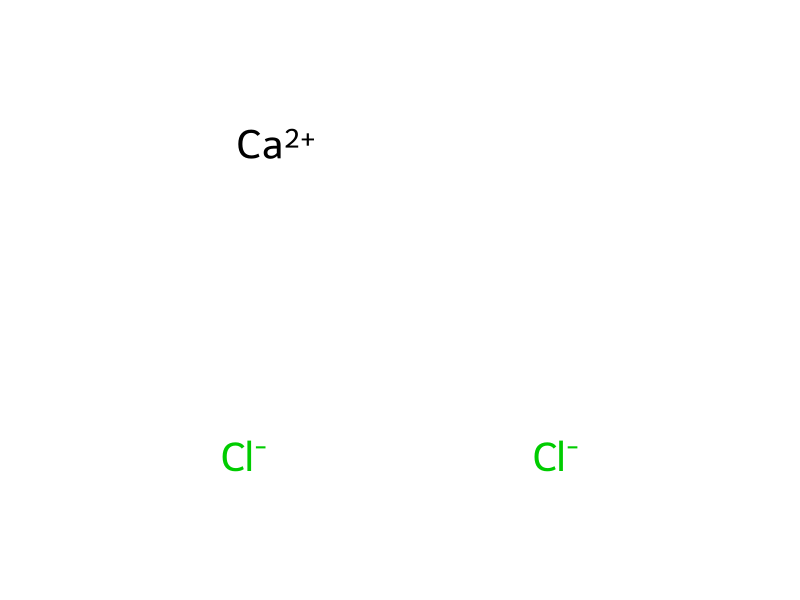
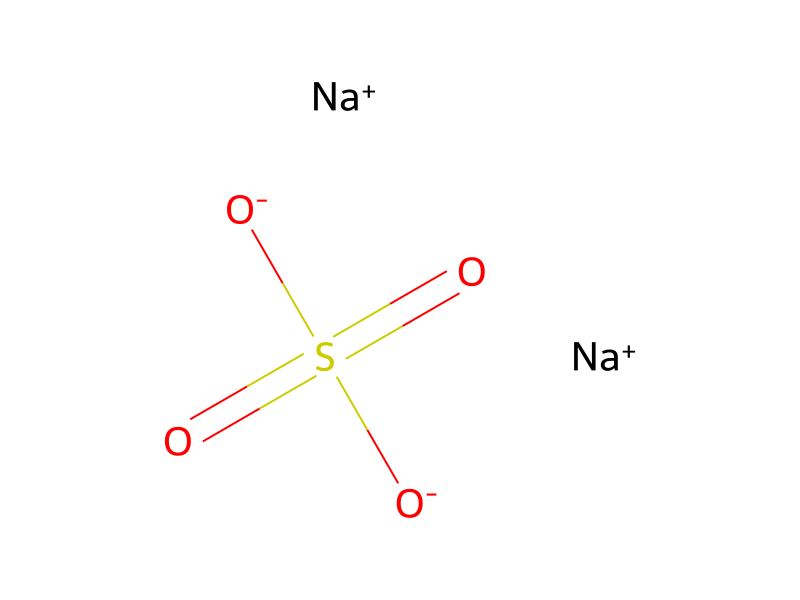
[S:1]([O-:5])([O-:4])(=[O:3])=[O:2].[Na+:6].[Na+].[Cl-].[Ca+2:9].[Cl-]>[O-][W]([O-])(=O)=O.[Ca+2].[O-][W]([O-])(=O)=O.[Na+].[Na+]>[S:1]([O-:5])([O-:4])(=[O:3])=[O:2].[Na+:6].[Na+:6].[S:1]([O-:5])([O-:4])(=[O:3])=[O:2].[Ca+2:9]
ParticipantsProcedureSources & evidenceReaction notes

Participants

6

Reactant 2

HCID 24436Sodium SulfateHCID 5284359Calcium Chloride

Product 2

HCID 24436Sodium SulfateHCID 24497Calcium Sulfate

Reagents, catalysts & solvents 2

HCID 26052Sodium tungstateCatalystHCID 123264
Calcium;dioxido(dioxo)tungsten
Catalyst

Procedure

The conventional method of precipitating calcium tungstate from an aqueous solution of sodium tungstate which also contains sodium sulfate is adding calcium chloride. The presence of sodium sulfate in the solution inevitably results in co-precipitation of calcium sulfate, thereby contaminating the calcium tungstate precipitate. The precipitate is therefore typically calcined with carbon at about 950° C. to reduce the calcium sulfate to calcium oxide plus a sulfur dioxide offgas. This process is unsatisfactory because it consumes large quantities of calcium chloride, and because it generates large volumes sodium chloride solution and sulfur dioxide offgas which must be disposed of. In addition, the calcium oxide byproduct dilutes the calcium tungstate product and lowers the WO3 content thereof.

Sources & evidence

ORD record
ord-6a616ba11e084f1bbf01081cabf98c9a
Source dataset
uspto-grants-1983_08
DOI
10.6084/m9.figshare.5104873.v1
Patent number
US04397821

Reaction notes

On this pageParticipantsProcedureSources & evidenceReaction notes