Reaction equation

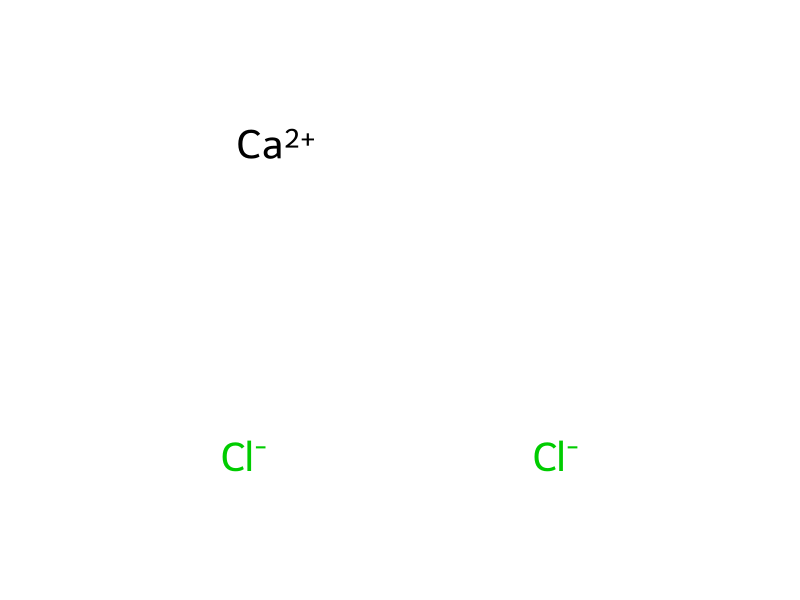
[Cl-].[Cl-].[Ca+2].O.FC1C=CC(N)=C(N)C=1.[CH3:14][NH:15][C:16]1[CH:21]=[CH:20][CH:19]=[CH:18][C:17]=1[N+:22]([O-])=O>CCO.CCOCC.[Zn]>[CH3:14][NH:15][C:16]1[CH:21]=[CH:20][CH:19]=[CH:18][C:17]=1[NH2:22]Participants







Procedure
N-Methyl-1,2-diaminobenzene was prepared using an adaptation of the method of Tsuji et al. (J. Org. Chem. 55:580 (1990)). Zn powder (8.07 g, 0.123 mol), CaCl2 (807 mg), H2O (9.9 mL) and 30 mL EtOH were combined and brought to reflux as described for 4-fluoro-1,2-diaminobenzene (see Example 10), and to this mixture was added slowly dropwise a solution of N-methyl-2-nitroaniline (1.50 g, 9.86 mmol) in 15 mL EtOH. Analysis and workup were as described for 4-fluoro-1,2-diaminobenzene except that the reaction residue was dissolved in 50 ml Et2O. This Et2O solution was then extracted with 3×25 mL 1N HCl and the aqueous layers combined and basified with 5 g of 50% NaOH solution. This solution was then extracted with 3×25 mL Et2O. These Et2O layers were then combined, dried (MgSO4) and the solvent evaporated at reduced pressure to yield 911.1 mg (76.1%) of a dark brown oil. 1H NMR (CDCl3) δ2.87 (s, 3H, CH3), 3.31 (br s, 3H, NH), 6.67 (m, 3H, ArH), 6.86 (m, 1H, ArH).
Workup
- temperatureto reflux
- extractionThis Et2O solution was then extracted with 3×25 mL 1N HCl
- extractionThis solution was then extracted with 3×25 mL Et2O
- dry with materialdried (MgSO4)
- customthe solvent evaporated at reduced pressure
Sources & evidence
- ORD record
- ord-1a1ecb1c3a554ebc82a0d2a8611d663d
- Source dataset
- uspto-grants-1996_05
- Patent number
- US05514680
Linked notes
Loading…