Reaction equation

C([O:8][CH2:9][C@@H:10]1[C@@H:13]([CH2:14][O:15][CH2:16][C:17]2[CH:22]=[CH:21][CH:20]=[CH:19][CH:18]=2)[CH2:12][C:11]1=[O:23])C1C=CC=CC=1.P(O)(O)O.O.[CH:29](O)(C)C>[Ir](Cl)(Cl)(Cl)Cl>[OH:23][CH:11]1[CH2:12][CH:13]([CH2:14][OH:15])[CH:10]1[CH2:9][OH:8].[CH2:16]([O:15][CH2:14][C:13]1[CH:10]=[CH:9][CH:29]=[CH:11][CH:12]=1)[C:17]1[CH:18]=[CH:19][CH:20]=[CH:21][CH:22]=1Participants
7




Procedure
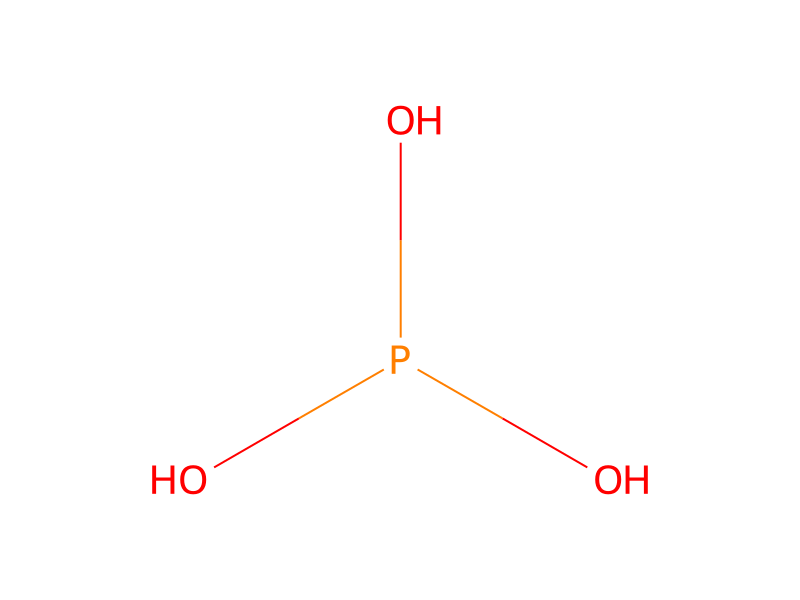
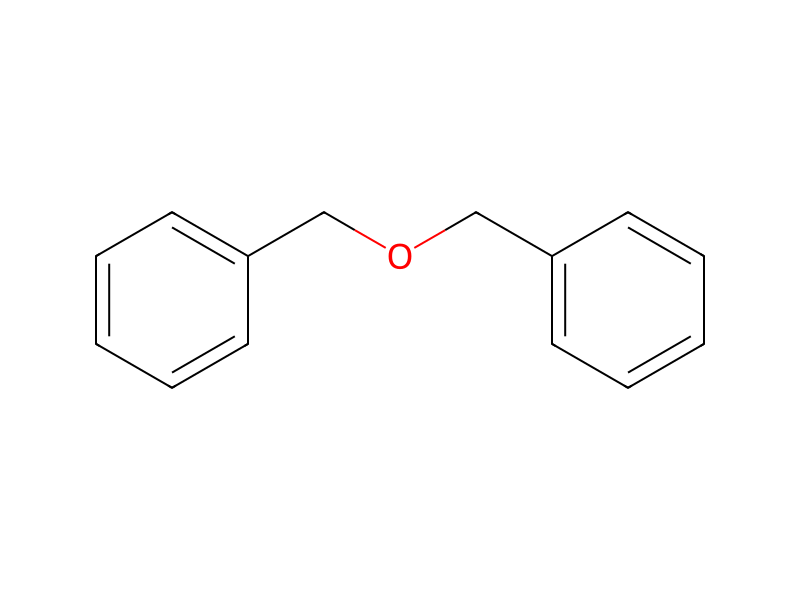
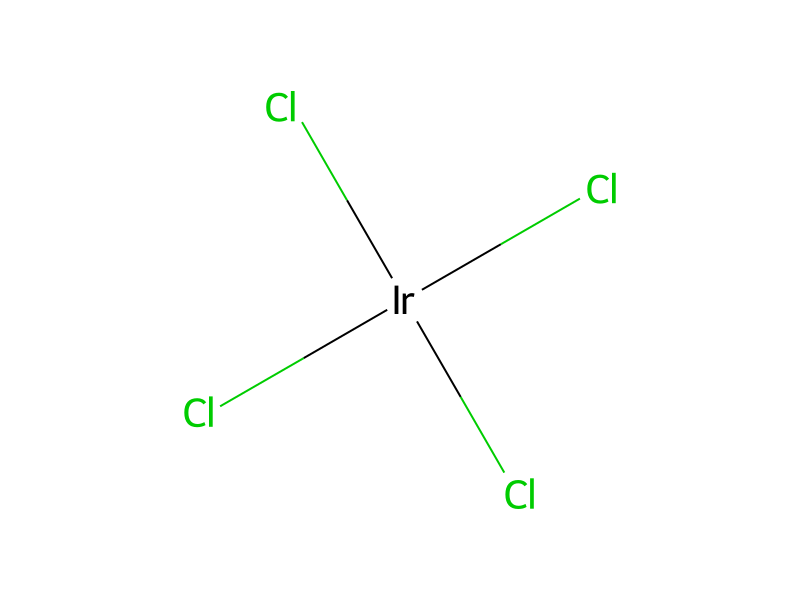
A mixture of (2S-trans) -2,3-bis [(benzyloxy)-methyl]cyclobutanone (0.25 g., 0.806 mmole), iridium tetrachloride (0. 016 g., 0. 0483 mmole), phosphorous acid (0.397 g., 4.84 mmole) and water (0.3 ml.) in isopropanol (3 ml.) was refluxed overnight. The solvent was evaporated on a rotary evaporator. The residue was taken up in ethyl acetate and washed successively with 10% hydrochloric acid, brine, and 5% sodium bicarbonate. The organic layer was dried (magnesium sulfate) and the solvent was evaporated to give [1α, 2β, 3β)]-3-hydroxy-1,2-cyclobutane-dimethanol, dibenzyl ether; TLC (40% ethyl acetate/hexane) Rf = 0.51.
Workup
- temperaturewas refluxed overnight
- customThe solvent was evaporated on a rotary evaporator
- washwashed successively with 10% hydrochloric acid, brine, and 5% sodium bicarbonate
- dry with materialThe organic layer was dried (magnesium sulfate)
- customthe solvent was evaporated
Sources & evidence
- ORD record
- ord-2198379b9c094fa9b4d9279dd5c0e475
- Source dataset
- uspto-grants-1996_05
- Patent number
- US05516903
Linked notes
Loading…